
New&Noteworthy 2023
January
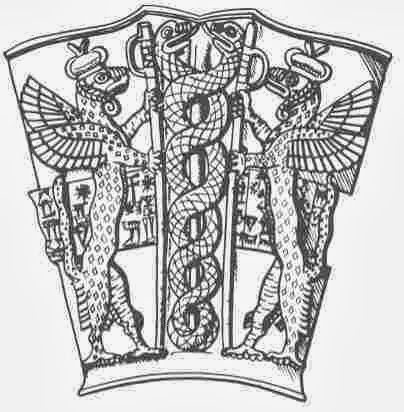
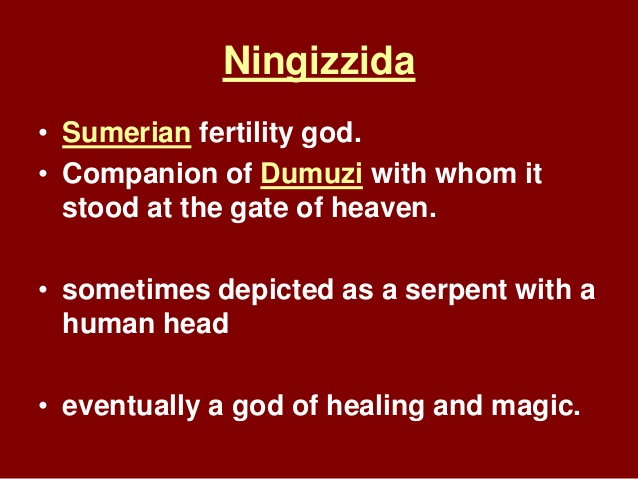
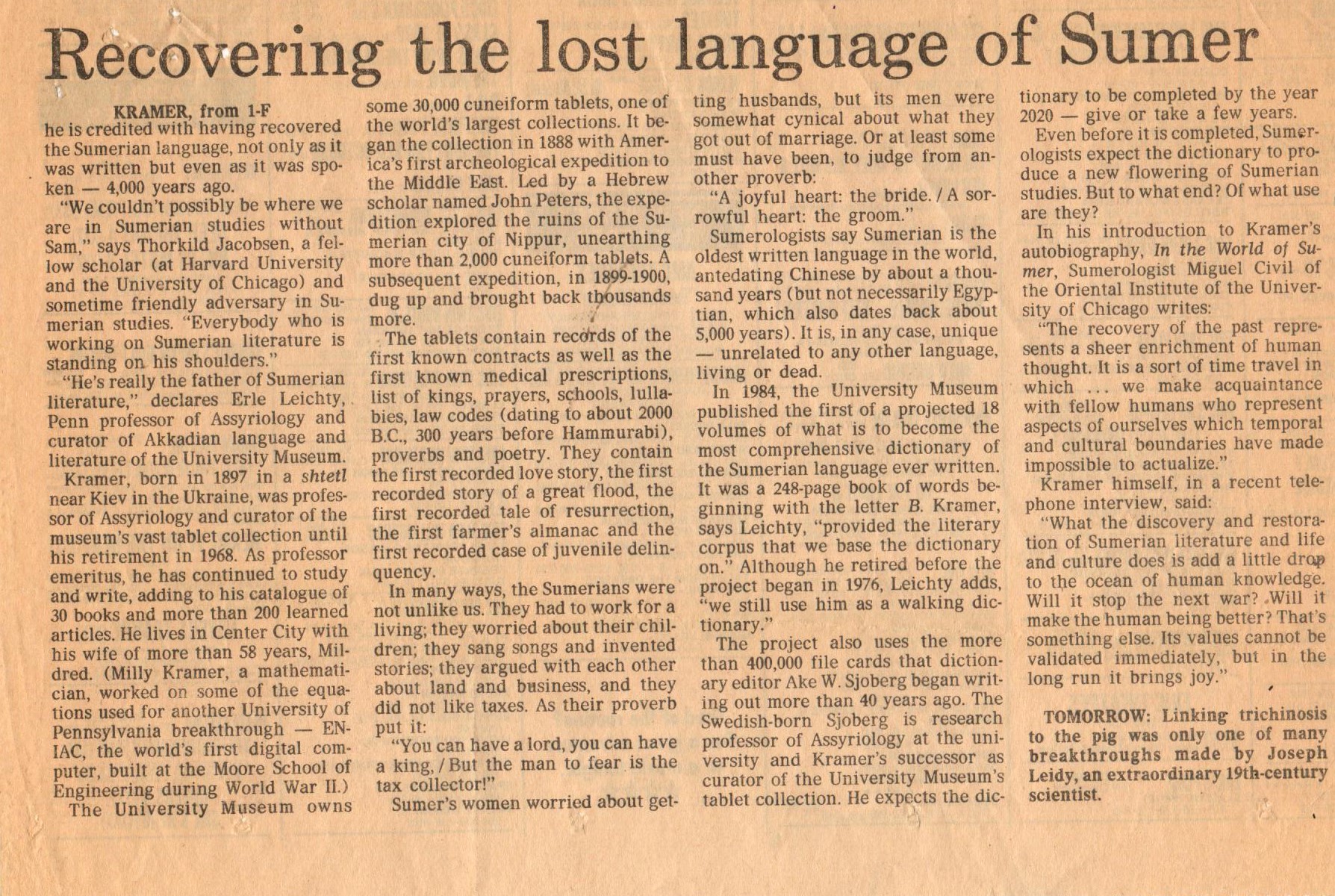
Early Sumerian version of the caduceus.
LEARNING IS TO THE MIND
WHAT LIGHT IS TO THE EYE
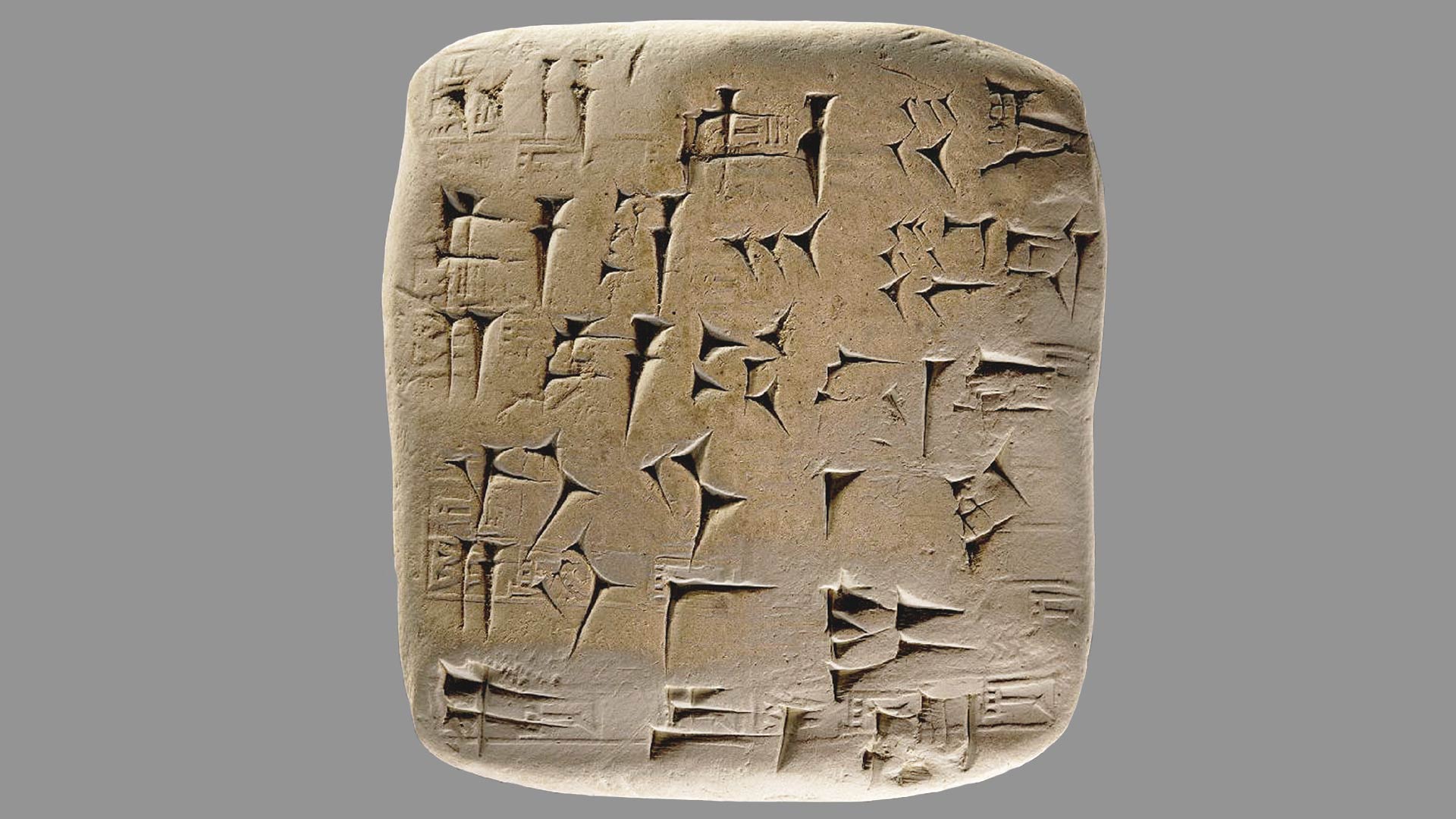
CUNEIFORM WRITING:
Latin CUNEUS means WEDGE and FORMA means SHAPE
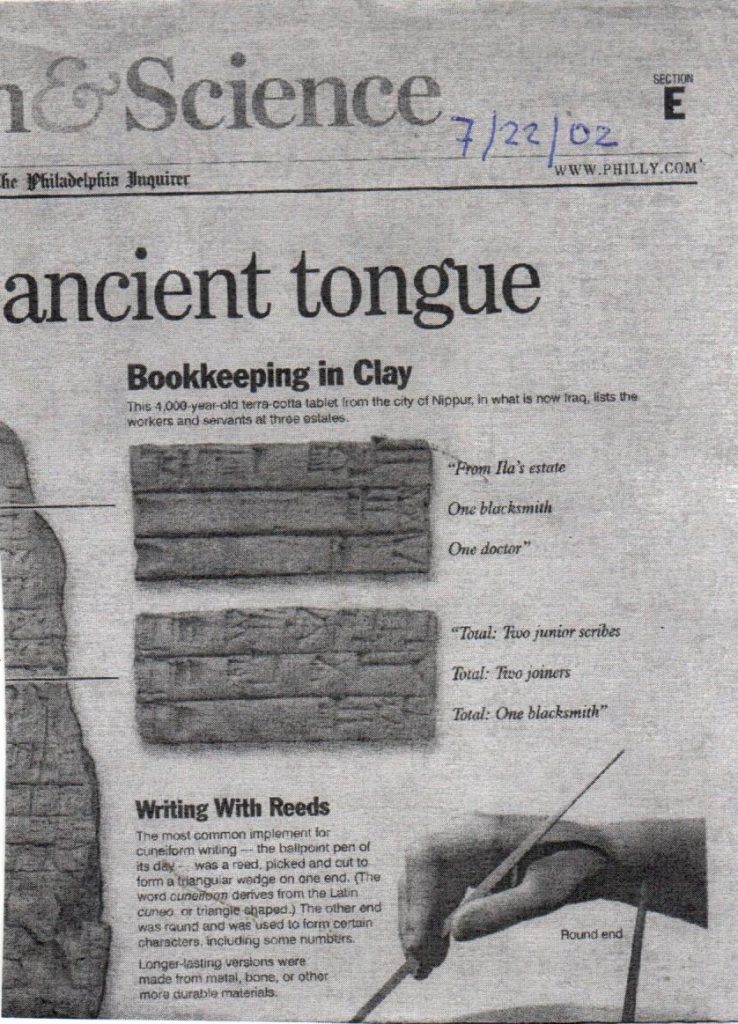
The script was in active use from the early Bronze Age until the beginning of the Common Era; developed to write the Sumerian language of southern Mesopotamia. Cuneiform is the earliest known writing system and was adapted to write a number of languages in addition to Sumerian. Akkadian texts are attested from the 24th century BCE onward and make up the bulk of the cuneiform record.
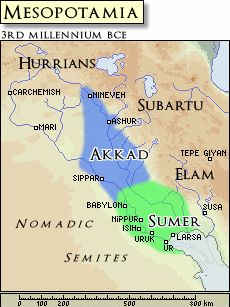
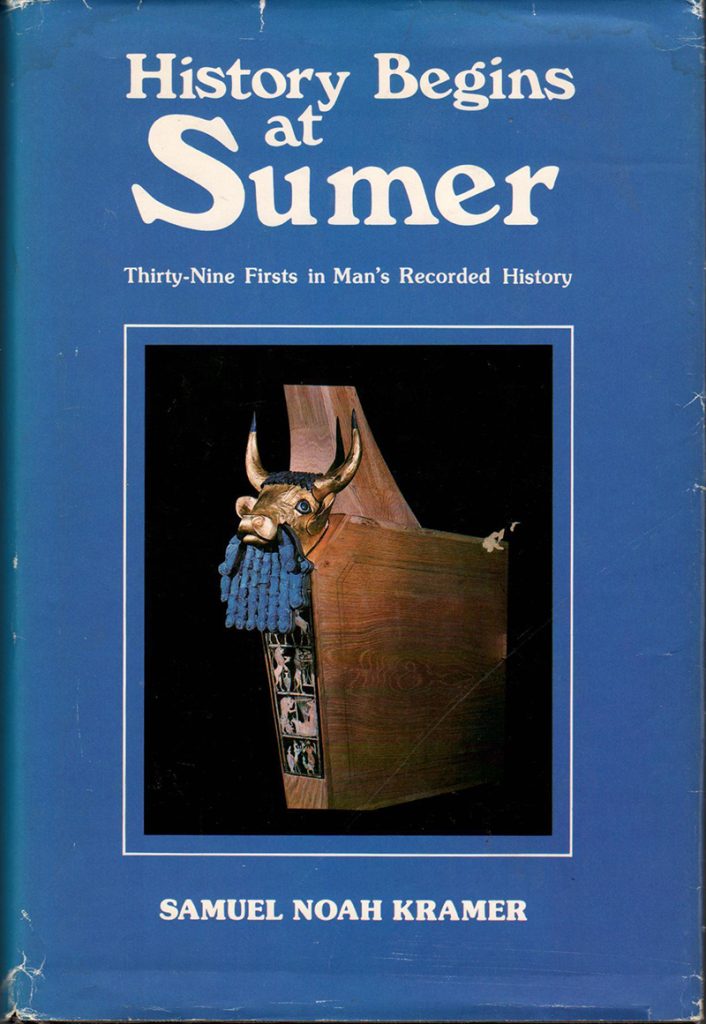
TO SUMER THE WORLD OWES ALL ITS BASIC ARTS
OF LITERATE CIVILIZED LIFESTYLES
“SUMER--A STORE OF KNOWLEDGE”
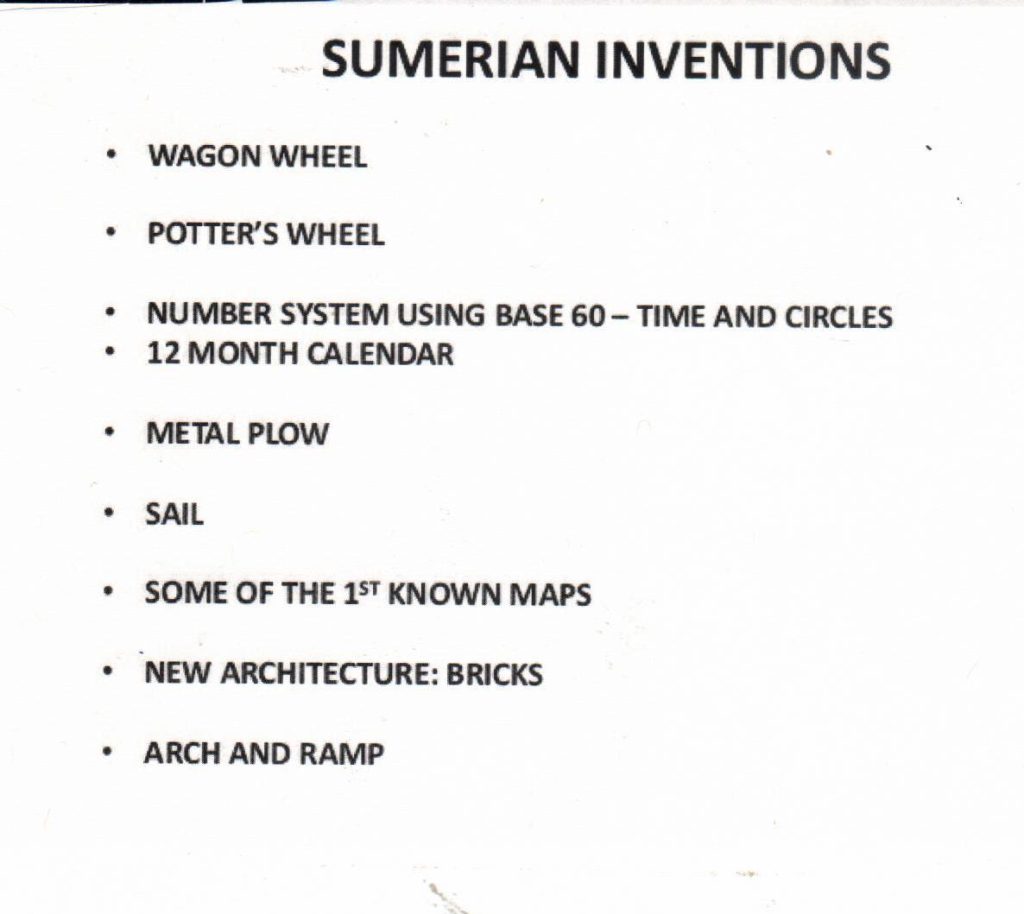
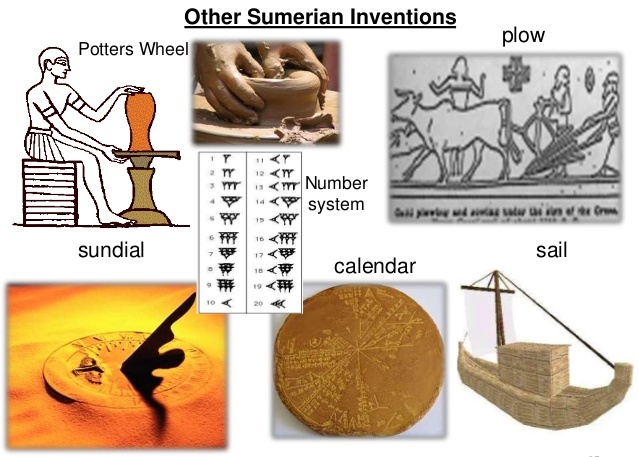
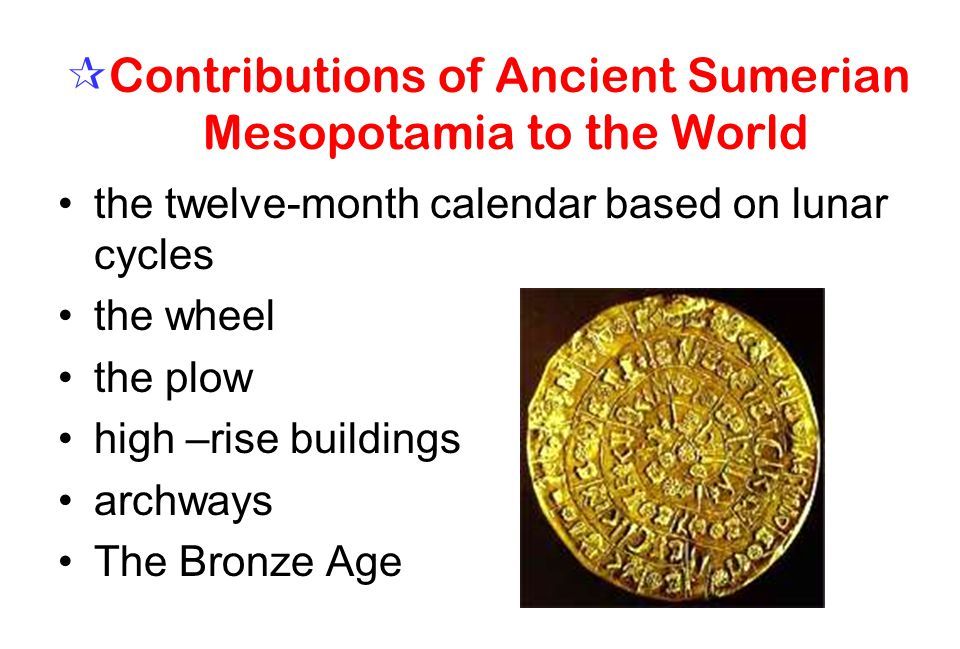
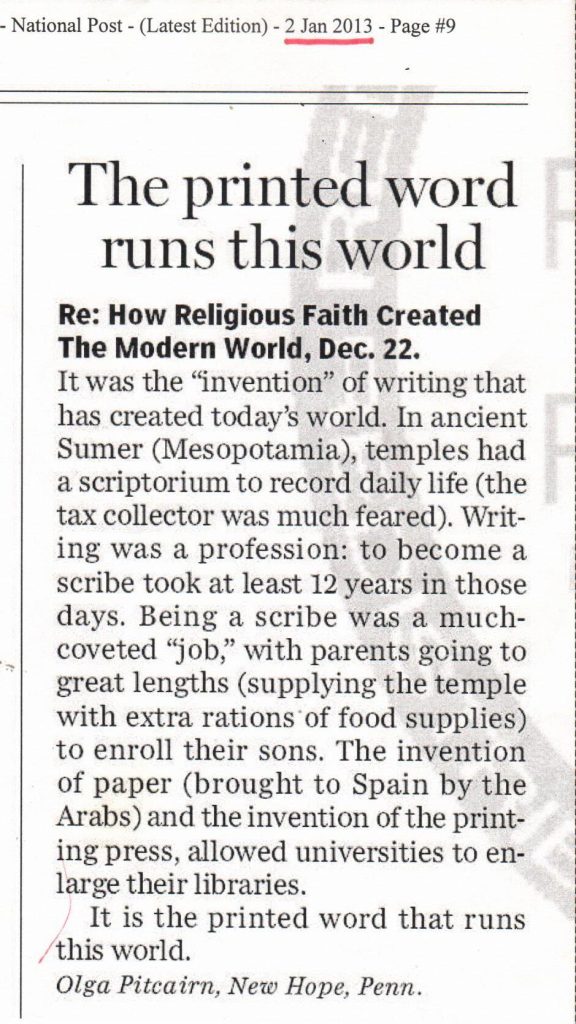
A religion cannot become a global faith without BOOKS TO TEACH
THE BOOK OF GENESIS
The doctrine of the creative power of the divine word:
Let there BE light (electricity/fusion energy)
MAN:
AN ANIMAL WHO SEES
“THE EYES OF THE LORD”
Genesis 2:8—NOW . . . the Lord God had planted a garden [cultivated parcel] in the East [sunrise], in EDEN—and there he put the man he had formed [Sumerian creation story: November 2022].
Genesis 2:15—the Lord God took the man and put him in the Garden of EDEN to WORK it and take care of it [Sumerian].
Genesis 2:9—In the middle of the garden were the Tree of Life and the Tree of the Knowledge of Good and Evil.
Genesis 2:16—And the Lord God commanded the man: YOU are free to eat from any tree in the garden BUT . . . you must not eat from the Tree of the Knowledge of Good and Evil. For when YOU eat of it you will surely die.
Genesis 3—Ancient symbol of immortality—renewal of life because it sheds its skin, the Serpent said to the woman: DID GOD REALLY SAY that you must not eat from any tree in the garden? The woman said: We may eat fruit from the trees in the garden. But . . . God did say . . . you must not eat fruit from the tree that is in the middle of the garden and you must not touch it, or you will die. The Serpent said: You will not die. Your EYES will be opened and you will be like God KNOWING good and evil.
[--Learning is to the MIND what Light is to the EYE--]
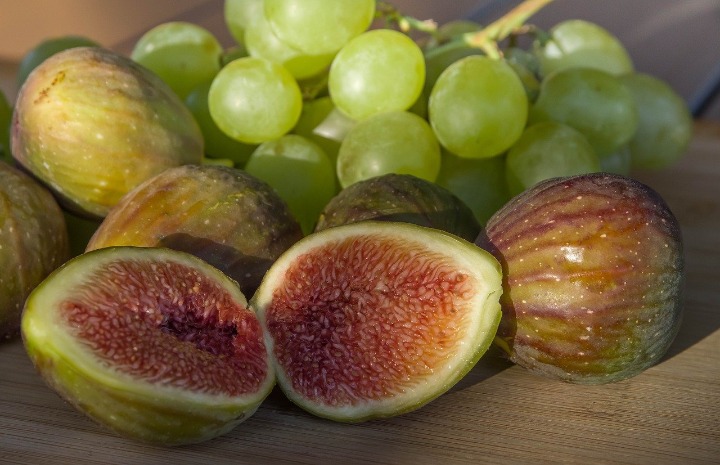
SO . . . the woman ate the fruit [no mention of apple]—so pleasant to the eye and for gaining wisdom. She also gave the man some and he ate it. Then THEIR EYES were opened: they were naked. [Gen. 9:20Noah planted a vineyard; when he drank some of the wine he became DRUNK and lay UNCOVERED in his tent]. Upset, the Lord God appeared (wearing a garment of skin -Gen. 3:23) and said to the man: Have you eaten from the tree that I commanded you not to eat from? The man pointed his finger at the woman and said: She gave me some. The woman said, pointing at the serpent, He deceived me and I ate.
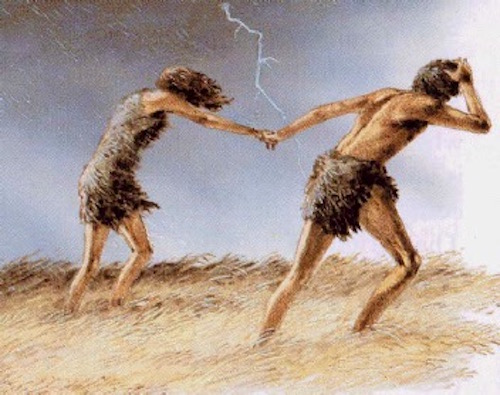
Genesis 3:19—Pointing at the man, the Lord God pronounced: By the sweat of your brow you will EAT YOUR FOOD until you return to the ground, since from it you were taken; for DUST you are and to DUST you will return [Sumerian]. And turning to the woman who had enticed the man to eat the fruit—to punish her—he said: Your desire will be for your husband and . . . . . . he will rule over you.
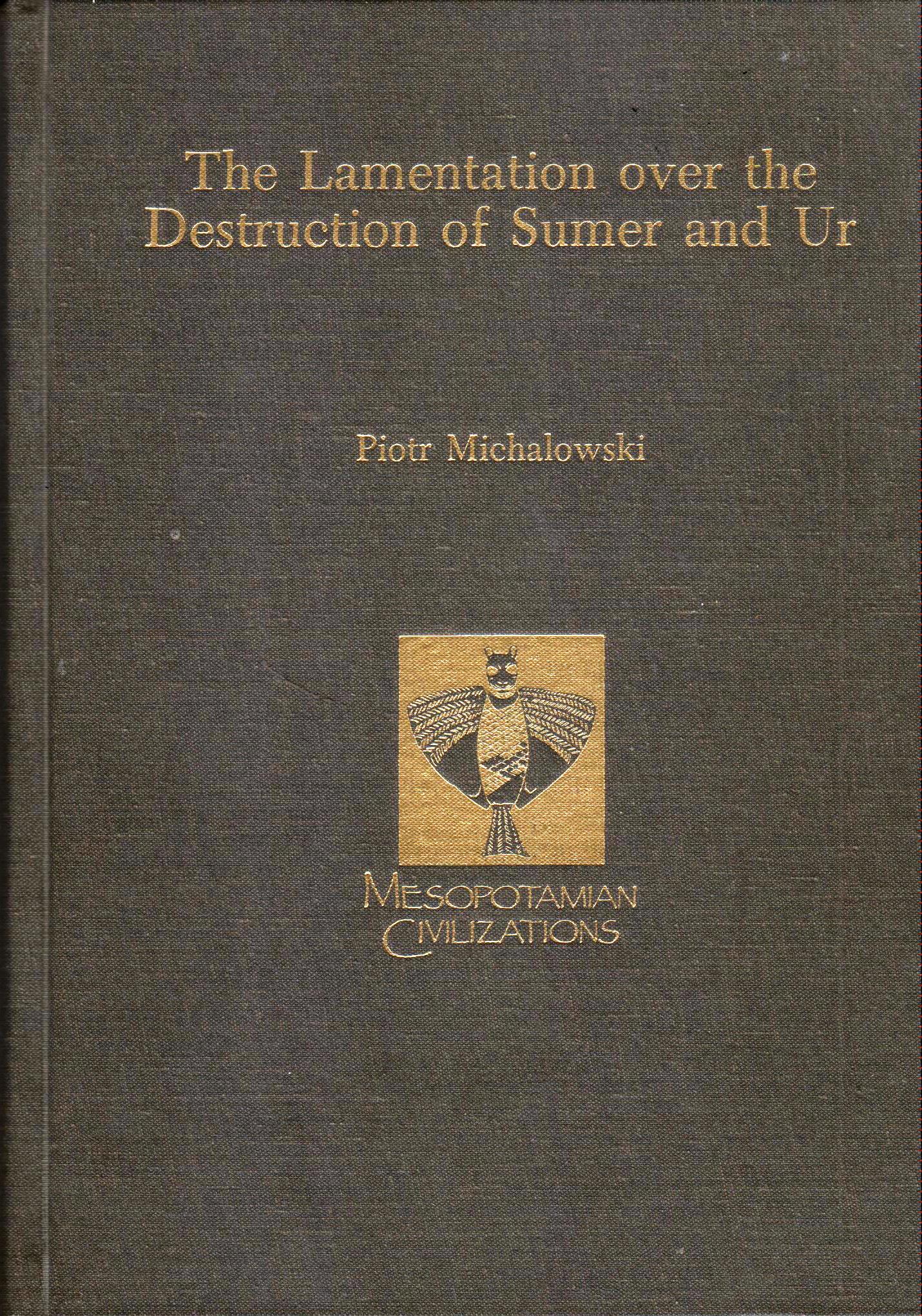
THE LAMENTATION OVER
THE DESTRUCTION OF SUMER AND UR
The deity of the city-state UR was the moon-god Nanna/SIN;
He was symbolized by the crescent moon and star.

IT WAS THE BRONZE AGE:
3200--1200 BCE
Ur-Nammu was the first ruler of the Third Dynasty of Ur. The fall of the city happened during the reign of King Ibbi-Sin and occurred circa 2200 BCE. The baton went to Akkad
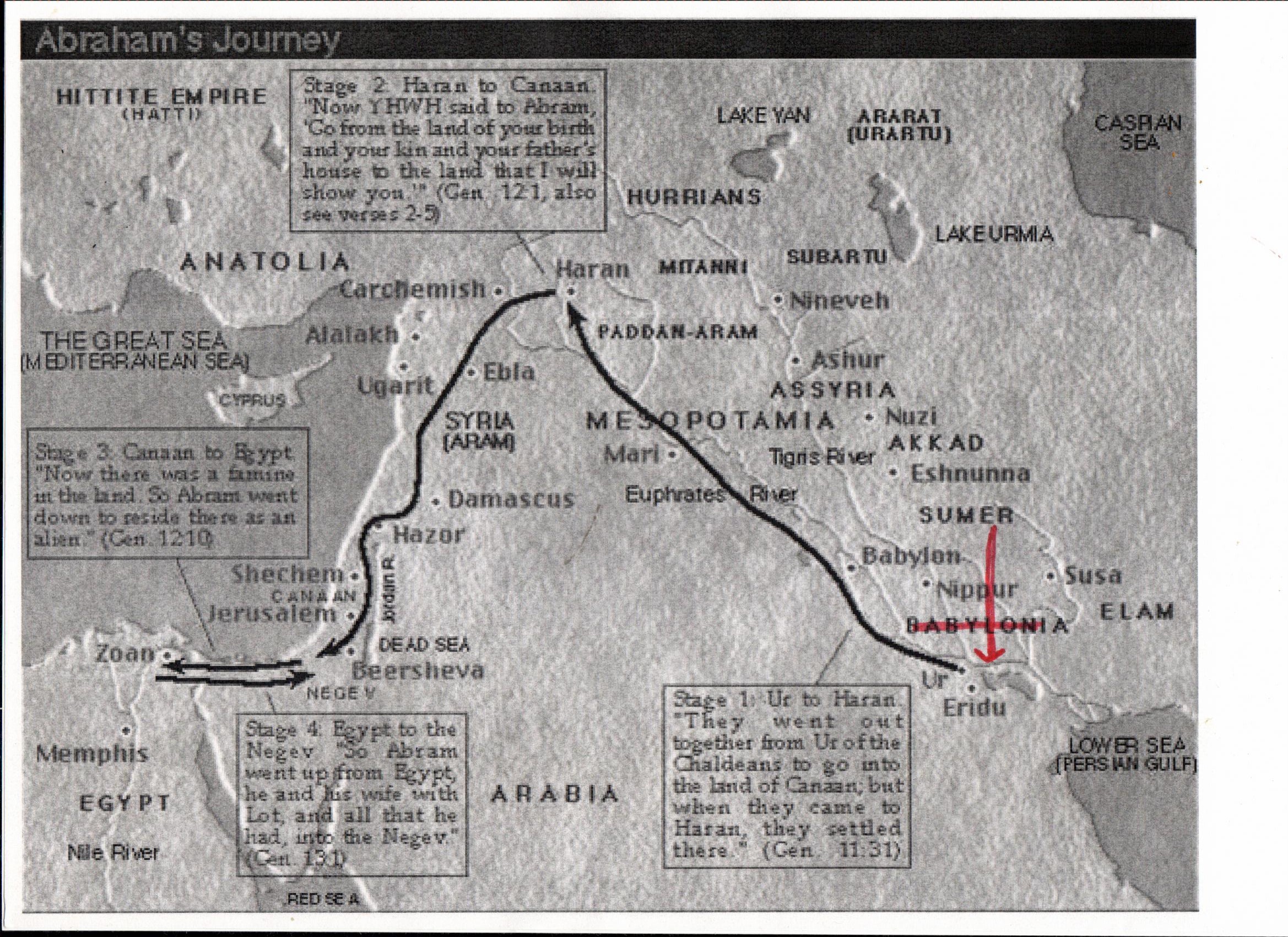
The Chaldean Aramaeans of Ur—[according to “UR OF THE CHALDEES” by Leonard Woolley]—are not to be found in Southern Mesopotamia [SUMER] before the beginning of the first millennium but from the 10th to the 6th centuries BCE. The Chaldeans were well-known astrologers, famous for predicting the future [MAGI from the east followed a STAR to Jerusalem [Matthew 2] to worship the new-born king of the Jews] and of course magic tricks! That’s why the Chaldean branch of Aramaeans [Hebrews/Jews] put “their history” in the book of Genesis. Babylonian King Nebuchadnezzar [reigned 605-562 BCE] was the second Chaldean king.
THE BOOK OF GENESIS
is the PRELUDE
to the book of EXODUS and the religion of the Israelites
IT IS THE STORY OF—
THE FAMILY TREE
THE BLOODLINE
[Sumerian creation story: November 2022]

I spin like a spider myriad reflections
and embroider with strands of vivid observations.
I paint fantasies with frivolous perceptions
and build in the air with luminous illusions
brilliant tapestries and scintillating castles.
[copyright Olga Pitcairn]
Starting at Genesis 11:31
The biography— adventures—of Abram/Abraham
Our future “patriarch” has two brothers: Nahor who has two daughters and Haran, deceased, who has a son called LOT. The three brothers live with their father Terah in UR of the Chaldeans. Father Terah decides to immigrate to Canaan. Nahor decides to stay.
So . . . Terah leaves with son Abram and his wife Sarai and grandson Lot—taking along their wealth: livestock. They finally arrive in HARAN, a city to the north of Canaan. Terah is tired of “wandering” and they settle down there. He dies at age 205. Abram buries his father. Nephew Lot wants to know if they continue living at Haran or return to UR of the Chaldeans, his birthplace. Abram goes to a huge rock plateau. He sits on a boulder and contemplates the vast plain ahead that leads toward Canaan. With a sigh he recalls his father saying it was the land of milk and honey. As he nods, he folds his hands. Suddenly, out of the blue, a breeze tickles his right ear and someone whispers: ‘Abram, why not leave this place and settle in the land of your father’s golden dream?’ Eyes wide open, startled, Abram turns his head. Lo-and-behold, God is smiling at him. ‘Abram’, he says, ‘I promise—I predict—that you’ll be prosperous and multiply. I’ll make sure that you’ll become a great nation. I promise that you will be a blessing to all peoples on earth’.

So . . . in a nutshell: At age 75, Abram packs up and travels with childless Sarai, his nephew Lot, his entire household and livestock to CANAAN—where he pitches his tents near the great tree of Moreh at SHECHEM. Abram is contemplating his next move when out of the blue, God again appears to him. ‘Abraham,’ he whispers, ‘how about . . . if I‘ll give this land to your offspring?’ Face aglow, eyes shining, Abram whispers, ‘Lord, so that we can communicate, what you want me to do?’ The Lord puts his lips at Abram’s ear. ‘Build me an altar, Abram. Offer me a sacrifice; that will be the sign for calling on me.’ Encouraged by the thought that the Lord had offered the land to his future children, Abram builds an altar to the Lord. Looking from the hills at Shechem down to the fertile valley, he nods, murmuring to himself that his kids will need this land as well. Determined, he moves on, and pitches his tents between BETHEL and AI. He builds one more altar . . . in case; one never knows, better be prepared than sorry. He offers a sacrifice; and calls on the Lord who tells him to go on. Abram, eager to expand his territory, strolls on and enters the NEGEV. After a while he has a hard time grazing his flocks: having to compete with other herdsmen for water. To top it all, a famine in Canaan forces him to keep moving. Abram decides, with a nod from Lot, to travel with his household to bountiful, grain-rich EGYPT.
So . . . Abram enters his wife Sarai’s tent and sits down for a serious chat. She offers him a cup of goat milk and a piece of bread and then sits facing him. ‘Sweet honey,’ Abram says, ‘I can’t let my household starve.’ He takes a bite of bread and chews. Then he says, ‘This is our staff of life. So Lot and I decided to go to Egypt, our nearest breadbasket.’ He sips milk. “Sweet honey,’ he continues, ‘you are a beautiful woman.’ He nods at her. ‘When the Egyptians see you, they will say that you are my wife, and they will kill me but you will live.’ Sarai gets up and sits next to her husband. ‘Yes, Abram?’ she whispers. ‘What you want me to do?’ Abram takes Sarai’s hand. ‘How about . . .’ and he squeezes her hand. ‘I’m your sister?’ Sarai says with a slight nod of her head. All smiles, Abram says, ‘Thank you, sweet honey. You’ll spare my life and I’ll be treated well.’ He puts his arm around her and whispers in her ear, ‘Sister Sarai, we’ll see each other often, don’t you worry.’ Sarai fondles his earlobe and says, ‘I can’t show up in these rags, dear Abram. I need new garments.’ Abram nods and says, ‘Of course, sweet honey. Get your seamstress busy, and . . .’ he chuckles, ‘I’ll get you pretty purple sandals. That will be my gift.’ They embrace. To Be Continued
The geographical PICTURE --from this Genesis story—is that of IRON AGE PALESTINE—[1100-500 BCE] as only during that period all the cities/settlements in “the narrative” are known AND occupied.
When the Most High [ELYON] allotted peoples for inheritance,
When He divided up humanity,
He fixed the boundaries for peoples,
According to the number of the divine sons:
For Yahweh’s portion is his people,
Jacob His own inheritance.
[Ugaritic text]
The Origins of Biblical Monotheism
TO BE CONTINUED
February
MESOPOTAMIA AND THE BIBLE
Land was the property of the gods
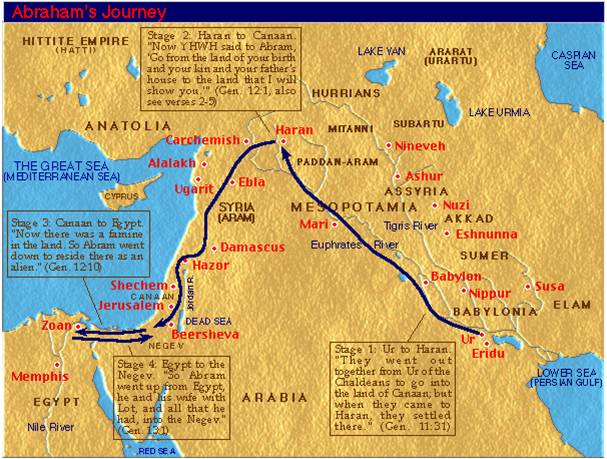
Continuation from January
So . . . Abram and his family enter fertile EGYPT. As predicted, Pharaoh takes a liking to beautiful Sarai and Abram tells him that she is his sister. Sarai stays at the palace. Abram is welcomed with open arms by the Egyptians. His herdsmen are respected and are allowed to graze Abram’s flocks without hinder. Abram acquires more livestock and more servants; he is doing very well for himself. But then . . . a whistleblower, one of Lot’s servants, informs Pharaoh that, to tell the truth, Sarai is Abram’s wife. Needless to say Pharaoh is upset? He summons Abram to the palace and the two have an amicable chat. With his blessings, Pharaoh sends the couple with their considerable gains out of Egypt. Abram, Lot and Sarai discuss where to go.
So . . . in a nutshell: The family returns to the NEGEV and on to BETHEL where finally they pitch their tents. Abram says to Lot that he will ask God what to do. He goes to the altar he had built years before to call on God. Abram puts his sacrifice, a choice lamb, on the altar and kindles the fire. The aroma of burning flesh is enticing. Abram holds his hands high up and shouts, ‘Here I am Lord God. What you want me to do?’ There is silence. He repeats, ‘Here I am Lord God. What you want me to do?’ Silence. Mystified Abram returns to his tent wondering if God is angry. Then, in a flash, he remembers that, while they were at Shechem, God had promised the land of milk and honey to his offspring. So, Abram says to Lot, ’Let’s walk up the hill. You are aware that our herdsmen are quarrelling?’ Lot nods and sighs. ‘Let’s part,’ Abram suggests as they reach the top. ‘If you go to the left then I’ll go’—he points to Jordan—‘to the right. It’s your choice.’ Lot points to the right: the whole plain of Jordan.

So . . . Abram returns to his altar and waits for God to tell him what to do. From the altar a voice says, ‘Remember that I offered this land, Canaan, to your offspring?’ Abram folds his hands and bows his head as he says, ‘I do remember your offer, oh Lord.’ The flames on the altar crackle and the voice says, ‘You, Abram, stay in this land. Lift up your eyes and look north and south, east and west—all the land that you SEE I will give to you and your offspring FOREVER. I will make your offspring like the dust of the earth. Go, walk the length and breadth of the land of milk and honey—for I am giving it to you.’ [so far, the couple has no offspring]
So . . . in a nutshell: Abram and Sarai pack up their large household and with their animals leave direction for the great trees of Mamre at HEBRON where they pitch their tents. Abram builds an altar to the Lord. When Abram hears that Lot, living near Sodom, has been taken captive by some kings, he marches with armed servants to his rescue. He brings Lot back with his possessions, women, and other folk. In Salem [Jerusalem] King Melchizedek, priest of God Most High [Elyon], celebrates Abram’s victory by offering bread and wine as he blesses him. Abram gives Melchizedek one tenth of the booty he acquired from the defeated kings.
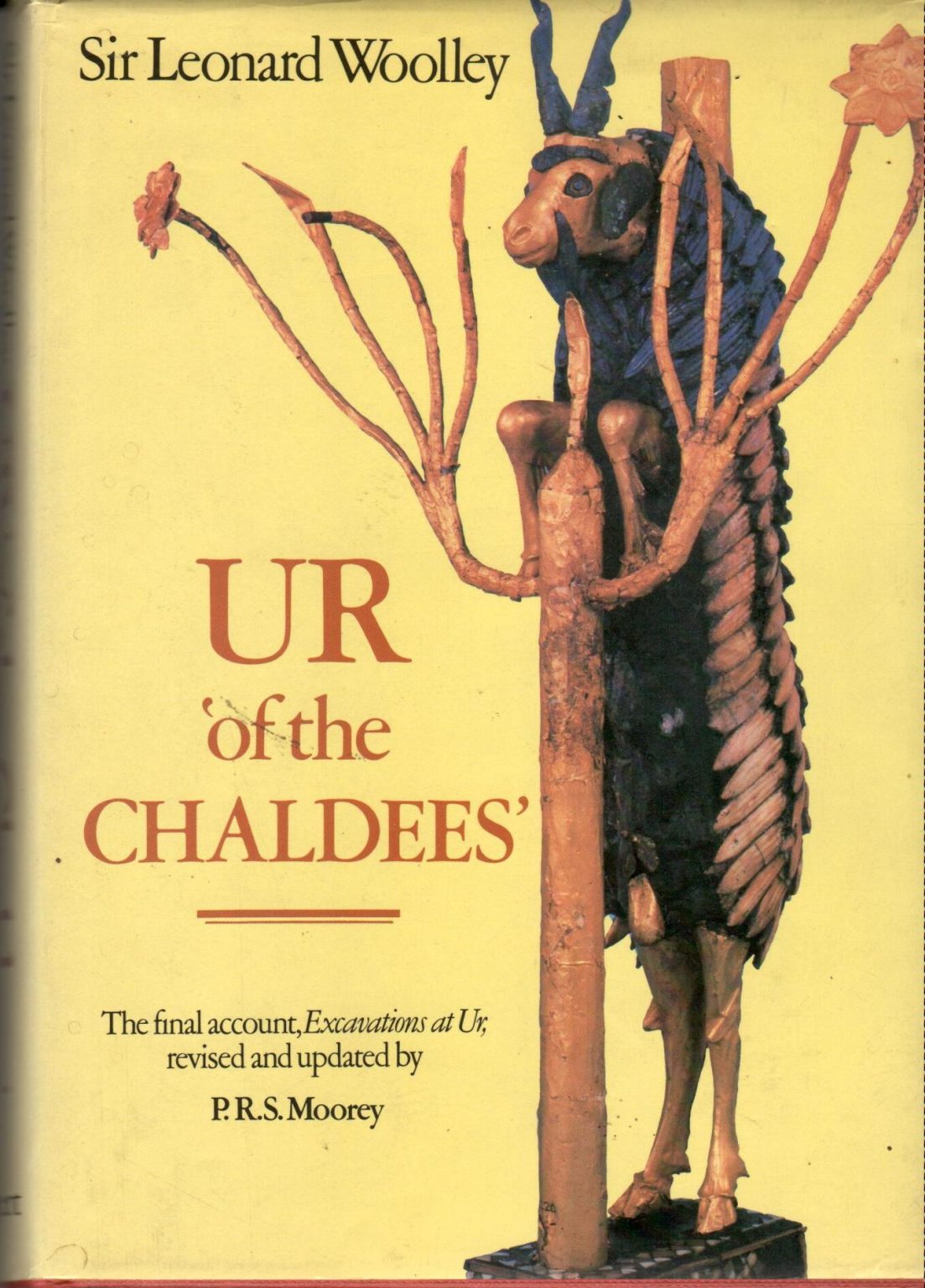
UR OF THE CHALDEES
Back in HEBRON: One balmy evening Abram sits beneath a tree sipping fermented date juice. As he contemplates about what God had promised him, the Lord appears to him in a vision. Right away . . . Abram begins to lament that he has no children and that a servant, Elizier of Damascus, his right hand herdsman, will be his heir. God smiles at him and promises that he will have a son of his own flesh and blood. Above his head the leaves move softly. ‘Abram,’ a voice says, ‘look up at the heavens and count the stars. So shall your offspring be. I am the Lord who brought you out of UR OF THE CHALDEANS to give you this land to take possession of. Know for certain that your descendants will be strangers in a country not their own, and they will be enslaved and mistreated for four hundred years. In the fourth generation your descendants will return. This is my COVENANT with you: to your descendants I give this land, from the river of Egypt to the great river, the Euphrates.’ Elated, Abram rushes to tell Sarai about this covenant God made with him. Sarai nods and reminds him that they have, as yet, no children, and suggests that he sleeps with her Egyptian maidservant Hagar. [according to custom that child will be hers] A year later, son ISHMAEL is born. Abram is 86 years old. There is a huge celebration welcoming Abram’s first-born offspring. Everyone is content except for barren Sarai who will never have a son from her own bloodline.
GENESIS 17
So . . . in a nutshell: God Almighty [Elyon] appears out of the blue to 99-year old Abram, who is taking a walk, and says, ‘Abram, I want to confirm my covenant.’ Terrified, Abram falls, face down, on his stomach. The voice continues: ‘I will greatly increase your numbers. You will be the father of many nations—from now on your name will be ABRAHAM, kings will come from you. The whole land of Canaan—the land of milk and honey—where you are now an alien I will give as an everlasting possession to you and your descendants after you—and I WILL BE THEIR GOD. The covenant you are to keep is this: Every male among you shall be circumcised—this will be THE SIGN OF THE COVENANT between me and you. And, Abraham, Sarai is from now on to be known as SARAH. I will bless her so that she will be the mother of nations; kings of peoples will come from her. MY COVENANT—I will ESTABLISH with ISAAC whom Sarah will bear to you—by this time next year.’
It is a very hot day—Abraham is sitting at the entrance to his tent when God, disguised as a man, appears with two males. He gets up to say welcome and invites them to a meal. They accept. Abraham tells Sarah to bake bread, and then rushes to his flock and orders that a calf be roasted. When the meal is ready the three eat at the entrance of the tent. Standing under a tree, Abraham watches them. They inquire after Sarah. He replies that she is inside the tent. Then God says, ‘I will surely return to you about this time next year, and Sarah, your wife, will have a son.’ Inside the tent Sarah laughs—she can’t believe it; her womb is barren. God repeats his prediction. When the three men leave—Abraham joins them. As they walk direction Sodom, God says that they came to investigate about the wickedness of the people of Sodom. If it’s true, he will destroy the city. Abraham pleads for his nephew Lot and his family to be saved.
GENESIS 20
So . . . in a nutshell: Abraham packs up and moves to the NEGEV and settles in Gerar. The king, Abimelech, takes Sarah for his wife because Abraham tells him that she is his sister. God pays the king a visit in a dream and informs him that he is as good as dead because Sarah is a married woman. God orders the king to return Sarah to Abraham—a prophet who will pray for him to live. Out of curiosity, the king wants to know why Abraham said that Sarah is his sister. Abraham explains that Sarah is the daughter of his father Terah’s other wife; that’s how she became his wife. And, so as to show him her love, Sarah always says: ‘He’s my brother.’ Satisfied with the clarification, the king happily gives Abraham sheep, cattle, slaves and Sarah—telling her that he’ll give her brother Abraham one thousand shekels in silver as repentance. To Abraham King Abimelech says, ‘My land is before you; live wherever you like.’ Abraham prays to God. And God heals the king, his family, and household so they can have children again. He had closed every womb so that Abraham’s wife Sarah could not conceive and have a child with the king!
So . . . Abraham accepts King Abimelech’s offer and settles in his land. Sarah becomes pregnant, just as God predicted. Abraham is 100-year old when ISAAC is born. The infant is eight days old when Abraham circumcises him, as God had commanded. A feast is given once Isaac has been weaned: a toddler standing on his own two feet. Ishmael makes a face, commenting that he is the first born. Sarah, furious, says to Abraham, ‘Get rid of Ishmael and Hagar, his slave mother. He will never share in the inheritance with my son Isaac.’ Abraham is greatly distressed because he dearly loves his son Ishmael. [by now a lean teenager] But God tells him that he’ll make Ishmael also into a nation. [a long story] Abraham should do what Sarah tells him because Isaac’s descendants will be the rightful heirs to the “Promised Land”: from the great river of Egypt to the great river, the Euphrates. [the pecking order: to be considered a Jew, mother must be a Hebrew]
So . . . Abraham has dug a well without King Abimelech’s permission and the king’s servants seize the well. The two men come to an agreement that in return for sheep and cattle Abraham has the right to stay in the land. They swear an oath. Abraham gives the king seven ewe lambs as a witness that he had dug the well and now owns it. He plants a tamarisk tree [today a flagpole] at this well. The place is BEERSHEBA. He calls upon the name of the Eternal God [Elyon]. Abraham stays in the land of the Philistines for a very long time.
In the late Stone Age, people in distress—petitioning the gods for life-saving rain—would offer as sacrifice their most precious first-born son. This practice fell into disuse and was replaced by a choice animal for sacrifice.
GENESIS 22
This is the story of how God challenged/tested Abraham—telling him to sacrifice his only son Isaac on his altar. In a nutshell: Father and son [age unknown] travel to Moriah where, on a mountain designated by God, the sacrifice will take place. They arrive, Isaac carrying the wood to kindle the fire. Abraham builds the altar and then adds the wood. The boy asks about the animal to be sacrificed. All choked up, Abraham is mute. He binds his son; then puts him on the wood pile, ready to sacrifice him. Isaac, petrified, stares at his father. But, lo and behold, the angel of the Lord calls out to stop the performance. A ram bleats in a bush. Abraham catches the animal. He unbinds his son and puts the ram on the wood and quickly lights the pile. The angel of the Lord shouts: ‘Because you have not withheld your only son, I will bless you and make your descendants as numerous as the stars in the sky and as the sand on the seashore. Your descendants will take possession of the cities of their enemies and through your offspring all nations on earth will be blessed because you have obeyed me!’ Isaac embraces his father, Abraham. They return to Beersheba.

So . . . Sarah dies in HEBRON, Canaan, when she is 127 years old. Abraham grieves. He buys from Ephron the Hittite the cave and fields of Machpelah near Mamre for 400 silver shekels, and buries his wife Sarah in this cave. His thoughts turn to getting Isaac a wife.
This is the story in a nutshell [Genesis 24]
Abraham receives news that his brother Nahor left UR of the Chaldeans and had settled in PADDAM ARAM. He recalls that nephew Lot has two sisters: Milcah and Iscah, and that Milcah is married to Nahor, her uncle. [an Aramaean]
So . . . Abraham asks his chief servant, Eliezer of Damascus, who manages his household, to get Isaac a wife from the “old country” where he has relatives. In case he dies, the manager should not get Isaac a Canaanite wife and orders him to swear; Eliezer puts his hand under his thigh. Abraham tells him that an angel of his Lord God will guide him on this trip. Eliezer wants to know what to do if the girl refuses. Abraham replies that he is then released from his oath. Satisfied knowing his marching orders, the manager takes 10 camels along with their caretakers, loads them with “goodie bags”, and departs. Finally, he arrives at PADDAM ARAM: it is evening. A long story: of meeting Rebekah at the well outside the city. It turns out she is the daughter of Bethuel—son of Nahor and Milcah. Eliezer asks for their hospitality and gives her a gold nose ring and two gold bracelets. The girl runs home and tells her mother and brother Laban of meeting this rich man who wants to board with them. Laban rushes to the well and invites Eliezer and his camels to stay with his mother. When Eliezer sits down for dinner with the family, he says: ‘I will not eat until I have told you what I have to say.’ Laban says: ‘Then tell us.’ Eliezer reveals that he’s Abraham’s servant. He explains at great length that he came to look for a wife for son Isaac. And with the help of Abraham’s God he arrived safely at this house. He gives Rebekah gold and silver jewelry and precious garments; also gifts for mother Milcah and brother Laban. When, together with her nurse, Rebekah leaves her home, the family wave farewell, and saying: ‘Our sister, may you increase to thousands upon thousands: may your offspring possess the gates of their enemies.’
Upon arrival at Kadesh in the NEGEV Eliezer introduces Rebekah to Isaac; who takes her into the tent of his mother Sarah. [buried in Hebron!] And Rebekah becomes Isaac’s wife. [they are cousins]
GENESIS 25
So . . . Abraham takes a new wife (concubine) named Keturah. They have 6 sons. When Abraham approaches the age of 175 he instructs that his estate, everything he owns, belongs to son Isaac. The 6 sons by Keturah receive gifts and Abraham sends them across the Jordan into the Arabian Peninsula. Sons Ishmael and Isaac bury Abraham next to Sarah in the cave of Machpelah near Mamre: in HEBRON.
According to the science of Archaeology:
THE IRON AGE of the LEVANT
starts circa 1150 BCE
According to Judaism, MOSES wrote five books known as The Pentateuch:
Genesis—Exodus—Leviticus—Numbers—Deuteronomy
It seems that Moses lived in the Late Bronze Age: Exodus (27)—altar with bronze overlay; (30)—a bronze basin. And, also, the Early Iron Age: Deuteronomy (3:11)—bed made of iron (4:20)—iron-smelting furnace; (8:9)—the rocks are iron; (27:5)—any iron tool.
GOD’S COVENANT WITH ABRAM:
GENESIS 15:13
Know for certain that your descendants will be strangers in a country not their own, and they will be enslaved and mistreated FOUR HUNDRED YEARS.
Jacob, grandson of Abraham, [buried in Hebron] and his descendants number 70 when THEY ENTER EGYPT. Joseph, son of Jacob, is already in Egypt, having been sold by his brothers (Genesis 37:12) to Potiphar, an official of Pharaoh. So when Jacob enters Egypt, he is accompanied by eleven sons and their families: Reuben—Simeon—Levi—Judah—Issachar—Zebulun—Benjamin—Dan—Naphtali—Gad—Asher.
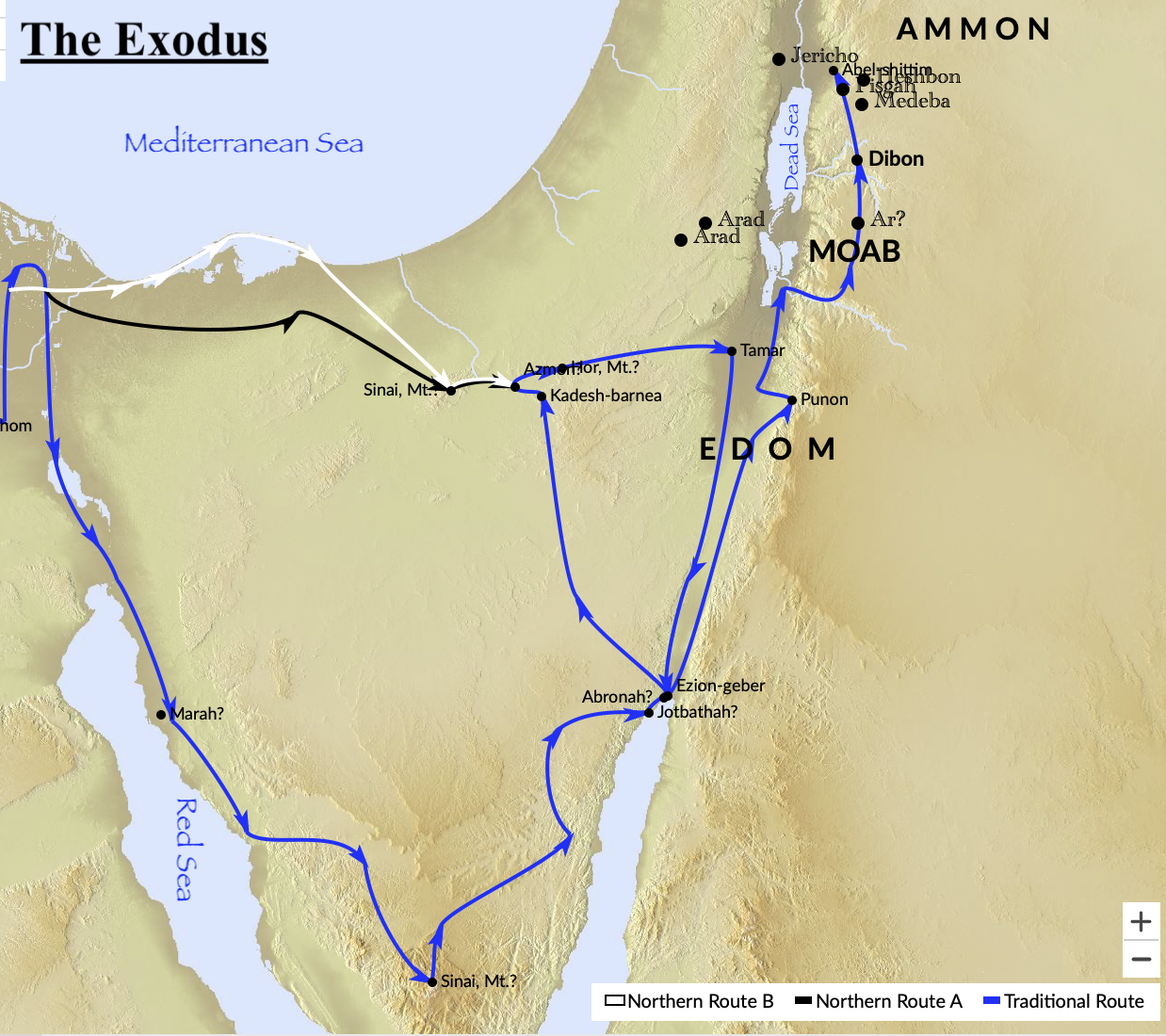
THE ISRAELITES ARE FRUITFUL AND MULTIPLY
THE BOOK OF EXODUS
EGYPT
A new Pharaoh—unacquainted with the past history of the Israelites—says to his own people that they must deal with the Israelites because if they must fight a war these outsiders will join the enemy.
The story begins with the slaughter of baby boys. Pharaoh issues an edict that the two available Hebrew midwives must kill their baby boys but to have mercy on girls. The midwives fear God’s wrath and ignore the instruction. Pharaoh is angry. The midwives’ excuse is that Hebrew women give birth before they arrive on the scene. Then the fearful order comes that every baby boy born to a Hebrew woman must be thrown into the Nile.
It so happens that a Levite woman, married to a Levite man, gives birth to a baby boy. When the infant is three months old she makes a papyrus basket, coats it with tar and pitch, puts her baby boy in it and—her daughter watching—pushes the basket to a spot among the reeds along the banks of the Nile where Pharaoh’s daughter likes to bathe. When Pharaoh’s daughter arrives to take her bath she spots the basket. Curious, she opens it. The baby cries. Pharaoh’s daughter shrieks that it must be a Hebrew boy! The baby’s sister approaches and offers to fetch a wet nurse—and, voila!—the Levite woman shows up. Pharaoh’s daughter tells her to look after the boy. To top it all . . . the woman gets paid for this job!
The baby thrives and grows up into a handsome boy. The story line has it that the Levite woman decides to take the child to the palace and introduce him to Pharaoh’s daughter. Enchanted by his good looks, she adopts him, and gives her son the name MOSES—Egyptian for ‘I drew him out of the water.’
One day . . . now an adult, Moses decides to look up “his own people, the Israelites”. He witnesses an Egyptian beating a Hebrew. Flying into a rage, Moses kills the Egyptian, and then buries him in the sand. The next day, Moses watches two Hebrews fighting. Fuming, he steps up to interfere. In the blink of an eye, God recalls his covenant with Abraham, Isaac, and Jacob. The Hebrew men are ungrateful; there’s always a whistleblower. That’s how Pharaoh hears of Moses having killed and buried an Egyptian. Fearing for his life, sure-footed Moses flees to Midian.
The Story Continues
GOD’S BRAIN
IMAGINATION IS THE BEGINNING OF
ALL MAGICAL OPERATIONS
March
“I AM WHO I AM”
3:14
EXODUS
EGYPT
Continuation from February
Fearing for his life, sure-footed Moses flees to Midian. He sits on a rock near a well when seven women approach to water their father’s flock. Shepherds make a go for the women; Moses interferes. The knight-errant offers to draw water and fill the troughs. The women say thanks and leave. Father REUEL, a priest of Midian, is astonished to see his daughters return home early. Excited, they relate that a very good-looking man chased away the shepherds; and he then drew water for the flocks. The priest orders his daughters to invite the man for dinner. Glad to get a roof over his head, Moses accepts. The priest gives him daughter Zipporah in marriage. They have a son: Gershom—Moses says that now he is an alien in a foreign land.
The chronicler then relates that Moses—tending the flocks of his father-in-law, Jethro, (previously known as Reuel)—is walking in the direction of Horeb, the mountain of God. When Moses arrives at Horeb he looks around for shelter. Out of the blue the angel of the Lord appears in flames and fire from inside a bush that does not seem to burn up. Startled, Moses goes to inspect the bush. ‘Moses,’ a voice within the bush shouts, ‘do not come closer! Remove your sandals, because this place is holy ground. Moses, I am the God of your father, the God of Abraham, Isaac, and Jacob.’ Moses puts his hands over his face while God informs him of the misery of his people, the Israelites, in Egypt. ‘Moses’, he says, ‘I have a job for you. I want to rescue the Israelites and as promised bring them to Canaan. Go to Pharaoh and tell him to let the Israelites leave Egypt.’ All shook up, Moses says, ‘Who am I? Pharaoh will just laugh.’ God says, ‘Moses, I’ll be with you. Fetch the Israelites. Bring them to Horeb so they can worship me here.’ Moses doesn’t feel up to the job and shouts, ‘What if they ask me what your name is?’ The fire crackles. God says, ‘Tell them that I AM WHO I AM sends you to rescue his people. Contact the elders of Israel and say that the Lord has sent you, and by that name, the Lord, I am to be remembered forever from generation to generation.’ The flames leap high. ‘Then you and the elders,’ God continues, ‘go to the king of Egypt and tell him that the Lord, the God of the Hebrews, is asking for permission to let them leave for three days so they can offer sacrifices. And if the king is unwilling, I shall strike the Egyptians where it hurts. Then negotiate again so the Egyptians will be glad to see the Israelites leave for worship. I’ll make sure that they’ll give our women silver and gold and precious clothing.’ God softly chuckles. ‘That’s the way to plunder the Egyptians.’ Moses rolls his eyes as he says, ‘What if they do not believe me and say that you did not appear to me?’ God’s voice is stern when he says, ‘What is that in your hand?’ Moses says, ‘My staff,’ as he shrugs. ‘Throw it on the ground,’ God orders. When Moses obeys and his staff turns into a snake he wants to run but God says, ‘Take it by its tail.’ Gingerly, Moses complies and the snake becomes again a staff. ‘When you do this trick’ God says, “they’ll believe you that I appeared. Now, put your hand inside your cloak!’ Moses obeys. When he removes his hand it is leprous, white as snow. He chokes. ‘Put your hand back into your cloak and then remove it,’ God orders. Moses follows the suggestion and is astonished when his hand looks normal. ‘However,’ God continues, ‘if the Israelites do not believe you after the first sign, they will believe you now. And if they do not believe these two signs, then take a bowl with Nile water and pour it on the ground. It will turn into blood.’ Moses is at a loss what to say. ‘O Lord, I’m tongue-tied,’ he croaks. ‘This is not a job for me.’ The Lord says, ‘Who gave you your mouth? It is I, the Lord. Now go! I’ll help you speak and teach you what to say.’ Moses goes on his knees and begs, ‘O Lord, please send someone else.’ Furious, God says, ‘Your brother Aaron, the Levite, speaks well. He’s on his way here to meet you. I will help him how to speak to the people for you. It will be—as if he is your mouth and—as if you are God to him. But you, Moses, must perform miracles with the staff. By the way, the men who wanted to kill you are all dead.’
At Horeb. According to God’s plan, Moses waits for Aaron to show up. They kiss. Moses relates to his brother everything that happened to him. And that God showed him all the tricks. And of his important commission! They are excited as they say farewell: Until we meet in Egypt. Relieved knowing about the news that his enemies are dead Moses returns to his father-in-law. He asks for permission to leave for Egypt as he wants to know if any of his people are still alive. Jethro says, ‘Go. I wish you well.’
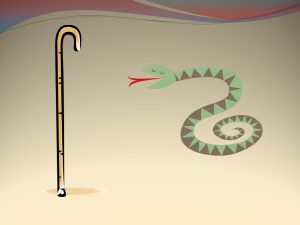
The story line in a nutshell. Moses puts his wife and sons on a donkey and is on his way to Egypt. To fulfill God’s assignment he holds God’s trickster staff firmly in his hand. The instructions are to perform all the magic tricks so the Israelites will depart for greener pastures: Canaan. God predicts that Pharaoh will be stubborn and resist. The ultimate message will be: that as God considers Israel his ‘first-born’ son, Pharaoh is obliged to let his people leave to worship their Lord God. And if the king refuses . . . God will kill Pharaoh’s first-born son! Something happens that makes God foam with fury because at a resting place where Moses has pitched his tents, he appears out of the blue. Sitting at the entrance of her tent, Zipporah sees God, eyes ablaze, standing under a tree. Zipporah’s bosom heaves, she smells trouble, and grabs her kitchen flint knife, lifts up her son’s tunic, holds his penis in her other hand and cuts off his foreskin. She rushes up to Moses who is taking a cat nap and touches his feet with the bloody item while saying something to the fact that now Moses has been circumcised. [Surely you are a bridegroom of blood to me; ever since . . . the flint knife is used by rabbis]
As predicted, Moses (80) and Aaron (83) meet up in Egypt. They gather the elders of Israel and tell them about their God who wants to help them out of their misery. To great applause, Moses performs for them the signs. The Israelites are prepared to worship the Lord. Then the brothers pay Pharaoh a visit. As predicted, the king is in no mood to let Israel leave for a three day worship because they must work making bricks. Greedy Pharaoh orders his slave drivers and foremen to put the whip on them so they work even harder. The situation becomes unbearable for the Israelites. God takes Moses aside and informs him about the covenant he made with Abraham, Isaac, and Jacob when his name was God Almighty, Elyon. The name change to Lord happened only recently, and it is the Lord [previously Elyon] who will bring them out from under the yoke of the Egyptians. The Lord orders the brothers to gather the clans, starting with the firstborn of each branch. The Lord’s refrain is: Bring the Israelites out of Egypt. God says, ‘Moses, I made you like God to Pharaoh ----- and your brother Aaron your prophet.
The brothers show up at the palace to show God’s power to Pharaoh. Moses orders Aaron to take his staff and do the snake trick. The king summons his magicians; who then also perform the snake trick. But not to be outdone Aaron grabs his snake, spits on it, and the creature swallows up the staffs! Pharaoh still refuses to let the Israelites leave for worship. On orders from God, Moses and Aaron, while standing with the king on the banks of the Nile, do the water into blood show. Fish dye, the river smells awful; nobody can drink the water. However, not to be outdone the king’s magicians are capable to repeat the trick. Pharaoh returns to his palace.

Seven days later God orders Moses to meet Pharaoh and demand that he let God’s people leave. If he refuses, God will smother the land with frogs. Aaron must stretch out his staff over the canals and make—voila!—frogs come up! The Nile River will teem with frogs; in Pharaoh’s palace, his bed, the houses of his officials—frogs will even invade his ovens and kneading troughs. The Egyptians will starve! Though the Egyptian magicians are great copy cats Pharaoh is ready to capitulate. He makes a pact with Moses: to beg his God to take the frogs out of the land. Moses promises but says that the Nile frogs stay. So, God removes the dead frogs piled up into heaps: the land reeks—such a stench! Needless to say that two-faced Pharaoh changes his mind and will not let the Israelites leave!
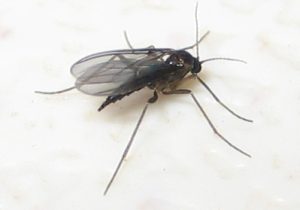
Accordingly, God has a new task for Aaron. He must strike with his staff the dust of the ground so that gnats have the opportunity to arise. And indeed . . . all the dust becomes gnats! The horrible creatures attack the people as well as the animals. This time the magicians are unable [or unwilling] to produce gnats! Wringing their hands, they tell Pharaoh that it’s the finger of God. But Pharaoh is still stubborn and resists. Then God’s message is that he’ll send flies to Pharaoh and his people but not to the Hebrews living in Goshen. This does the trick. Because Pharaoh makes a deal with Moses and Aaron that the Israelites don’t have to travel. They can offer sacrifices to their God right here, in Egypt. Moses argues that their sacrifices may be unpalatable to the inhabitants and they’ll get stoned. He insists that they must travel three days. After much wheeling and dealing, Pharaoh agrees that they can leave for the desert . . . but not too far! Moses accepts; he prays to God to make the flies leave the land. So . . . the flies leave for greener pastures! And, pronto . . . Pharaoh forgets his promise!
God’s message for Moses to deliver to Pharaoh is that he will send a “terrible plague” on his livestock: horses, donkeys, camels, cattle, sheep and goats but he will spare the livestock of the Israelites. To make sure that the Hebrew God has not destroyed the animals of his worshiping people, Pharaoh sends men to investigate. Imagine, their God kept his word! But still, Pharaoh will not let the people go.
Then God tells Moses and Aaron to take handfuls of soot from a furnace and Moses must toss it into the air in the presence of Pharaoh. The soot becomes fine dust—covering all of Egypt. And the people and animals are covered in festering, itchy, boils! Somehow . . . God manages to harden Pharaoh’s heart—so the king refuses to listen to Moses and Aaron. (Just as God predicted) God says to Moses to confront Pharaoh and tell him that the God of the Hebrews says to let his people go so they can worship him. And that now it will be the full force of all his plagues: So that Pharaoh will admit that there is no other god like the God of the Hebrews in all the earth—His name must be proclaimed! If Pharaoh again refuses, God will send the worst hailstorm in mankind’s memory. Moses advises Pharaoh to put all his livestock in the fields into shelter because the hail will fall on every person and animal. Some officials who feared the Hebrew God’s words take their slaves and livestock indoors. Then God orders Moses to stretch out his staff toward the sky so hail will pour down. Moses dutifully points, and thunder, hail, and lightning flashes down to the ground. [The hail destroyed flax and barley but not wheat and spelt] The only place free from hail is the land of Goshen. Pharaoh calls for Moses and Aaron to see him. He apologizes, saying he sinned. And he asks Moses to beg his God to stop the thunder and hail and he will let the Israelites go. Moses replies that he’ll pray to his God but he also knows that Pharaoh and his officials still do not fear their Lord God. However, Moses asks his Lord to stop the hail and rain. When the request has been granted, Pharaoh sins again, and refuses to let the Hebrews leave.
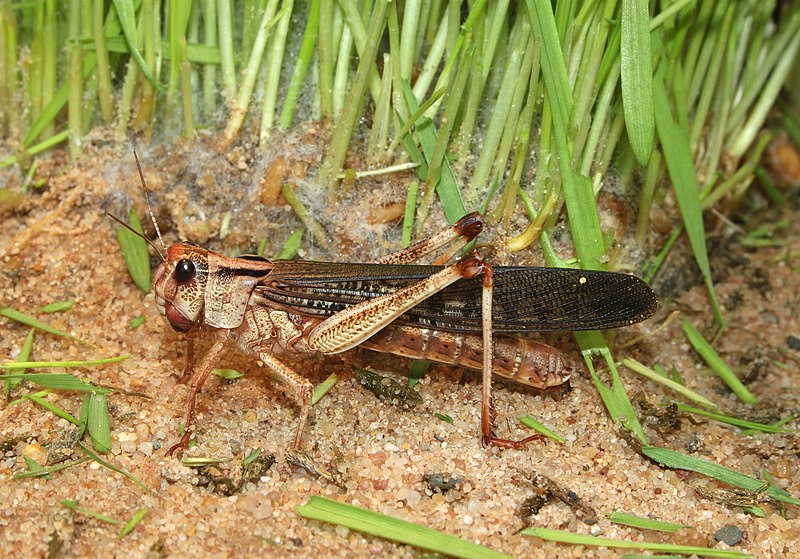
Next, the Lord confides in Moses that he has on purpose hardened the hearts of Pharaoh and his officials so that he, the Lord, has the opportunity to perform miracles. And . . . that Moses can tell his children and grandchildren how the Lord God dealt heartless with the people in Egypt—and that all the people finally will know that the Lord is the Hebrew God. Well . . . Moses and Aaron go to the palace and confront Pharaoh. ‘How long will you refuse to humble yourself?’ Moses shouts. “Let God’s people leave so that they may worship him. If you refuse, we will bring locusts in your country tomorrow! They will devour what little you have left after the hail, including every tree growing in your fields. All the houses of your people will be filled with locusts. I tell you, king, this will be a first!’ Fuming, Moses turns on his heels, Aaron follows folding his hands. The officials attack Pharaoh, saying: ‘How long will this man be a snare to us? Let them go and worship the Lord, their God.’ Pointing at the king, they shout, ‘Do you not realize that Egypt is ruined!’ The officials run after the brothers and persuade them to return to the palace. Pharaoh says, ‘Go, and worship the Lord, your God. But . . . just who will be going?’ Aaron stares at Moses, who blinks at him. ‘All the Israelites’, Moses says, ‘and also our flocks, because we are to celebrate a festival to the Lord.’ Raising his brow, Pharaoh shouts, ‘Hah! You can’t fool me. Everyone and livestock! No. Only the men can go and worship. That’s what you have been asking for!’ Moses and Aaron are driven out of the palace. The next day, the Lord tells Moses to stretch out his hand over Egypt so a wind blows across the land bringing winged locusts in “great numbers”. They invade Egypt. The ground is pitch-black. What vegetation had been left after the hail . . . these locusts devour—nothing green remains on trees and plants. Never before has there been such a plague of locusts. Pharaoh summons Moses and Aaron and confesses that he sinned against the Lord, their God, as well as against them. The king promises to sin no longer and asks for forgiveness. ‘Please,’ he begs, ‘take the deadly plague out of my country.’ So Moses prays to the Lord, who changes the direction of the wind, and the locusts end up in the Red Sea. Again, God hardens the king’s heart; he refuses to let the Israelites go.
After that ordeal, the Lord says to Moses to stretch out his hand toward the sky so that for three days (total) darkness will spread over Egypt. No one can see anything and they are all locked up in their houses. But in Goshen the Israelites have light. Well . . . Pharaoh [as predicted] summons Moses and says, ‘Go. Worship the Lord. You can take along your women and children but not your flocks. They stay here!’Moses argues that they need the livestock for sacrifices. Pharaoh gets all worked up and, pointing at Moses, shouts ‘Get out of my sight! If you dare to return and look me in my face . . . you’ll die!’ Moses wonders what God will do so he’ll not die, and, as he retreats, mumbles, ‘Just as you say. I’ll not show up again.’
It so happens . . . that Moses is highly regarded by the Egyptian people and the officials—after all, Pharaoh’s daughter adopted him. So when the Lord appeals to Moses for one more “miracle plague” to perform, Moses listens carefully to the plan God has in mind. Moses is to tell the Israelites to ask their “neighbors” for articles of silver and gold because they are leaving permanently and need extra wealth, besides their livestock, to survive their journey. Pharaoh will refuse to even listen to Moses. Pharaoh hates having to admit how successful the Lord has been performing these wonders. The supreme plot is: [prelude to Passover festival and the actual exodus] the Lord will go throughout Egypt around midnight. And every firstborn son in Egypt will die, starting with the firstborn son of Pharaoh to the firstborn son of any slave girl who grinds the flour for baking bread, as well as the firstborn of the cattle. The wailing will be heard throughout Egypt—screams of sorrow, and lamentations at the palace and temples. The officials will go on their knees and beg Moses to ask the Lord to leave with their livestock forever, never to show up again. [and also get rid of the Hebrew God]
So . . . God gives instructions on how to start the Exodus. First, a date is to be set; and on the 14th day of that month each man is to take a lamb for his family and slaughter it. Every household must take some blood and using a sponge wipe the blood on the sides and tops of the doorframes of the houses where they are to eat the lamb. They must eat the meat roasted, not cooked, with bitter herbs and bread made without yeast—and in haste because it is the Lord’s PASSOVER: When he will pass over Egypt and strike down every firstborn—of men and animals— but not the houses drenched in blood. This event is to be a seven-day festival to the Lord. No work is to be done except for preparing food and eating unleavened bread. This festival they should observe when one day they enter the Promised Land. And . . . so it happens: At midnight the Lord strikes down all the firstborns mentioned—the wailing is deafening. Pharaoh summons for Moses and Aaron to come. Red-faced, breathing heavily, Pharaoh bellows, ‘UP! Leave my people! You and the Israelites! Go, worship the Lord as you requested. Take your flocks and herds and go!’ Pharaoh folds his hands and pleads ‘Don’t forget to bless me.’ [I had no choice; your God made me do it]
THE LORD GIVES MOSES AND AARON REGULATONS
AND
RESTRICTIONS FOR THE PASSOVER FESTIVAL
[to be “celebrated inside a house”—nomads live in tents]
When the Lord brings you into the land of the Canaanites, a land flowing with milk and honey, you are to observe this ceremony in this month. Only circumcised males may eat the Passover lamb. For 7 days eat bread without yeast, and on the 7th day hold a festival to the Lord. That’s when you are to give to the Lord the first offspring of “every womb”; the firstborn males of your livestock. Redeem with a lamb every firstborn donkey. Redeem every firstborn among your sons with a lamb. Tell your sons that the Lord brought you out of Egypt after he had successfully killed every firstborn in Egypt, both man and animal as punishment for Pharaoh’s hard-headed refusal to let us go. This festival where you sacrifice the first male offspring of every womb is like a sign on your hand and a symbol on your forehead that the Lord brought us out of Egypt.
Afraid they all may die, the Egyptians urge the Israelites to hurry and leave. They ask the Egyptians to give them farewell gifts of silver, gold and nice garments. (That’s how they should plunder the Egyptians said the Lord) So the Israelites take their dough—without yeast added—put it in kneading troughs and carry them wrapped in cloths on their shoulders. Moses takes the bones of Joseph with him because Joseph had made the sons of Israel swear an oath: You must carry my bones up with you when you leave this place, Egypt.
The story unfolds as predicted (Genesis 15:13). Over400 years have elapsed since Jacob’s family entered and until their exit. The party consists of three million Israelites: 600.000 men armed for battle—the twelve divisions—women and children riding on donkeys, and droves of livestock: flocks and herds (Numbers 1:46—603.550 men) (Deuteronomy 1:10—today you are as many as the stars) (Genesis 15:5—count the stars)
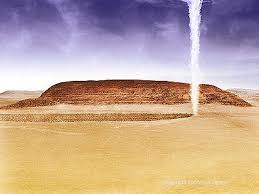
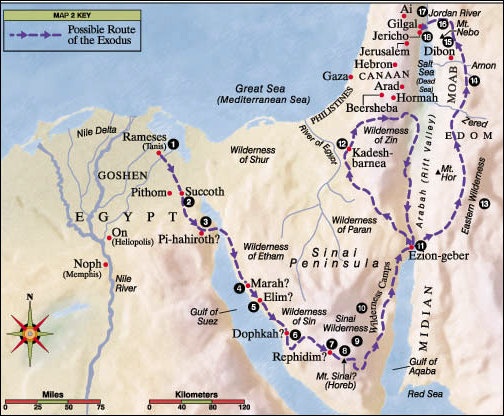
According to the story—it “seems” the Lord worries that if he’ll show the Children of Israel the shorter road into Canaan—where they may have to face fighting the Philistines—they’ll “chicken” and hurry back to Egypt. So . . . God makes the wise decision to lead his people around the desert direction the Red Sea. Anyway, they depart from Rameses destination Succoth where they camp. In the morning the women make flatbread—the dough without yeast they carried with them—for everyone! Then they depart for Etham—an angel of the Lord in front of the army and guided by the Lord in a pillar of cloud. At night the Lord hovers above the camps in a pillar of fire so that the Israelites feel protected.
To Be Continued
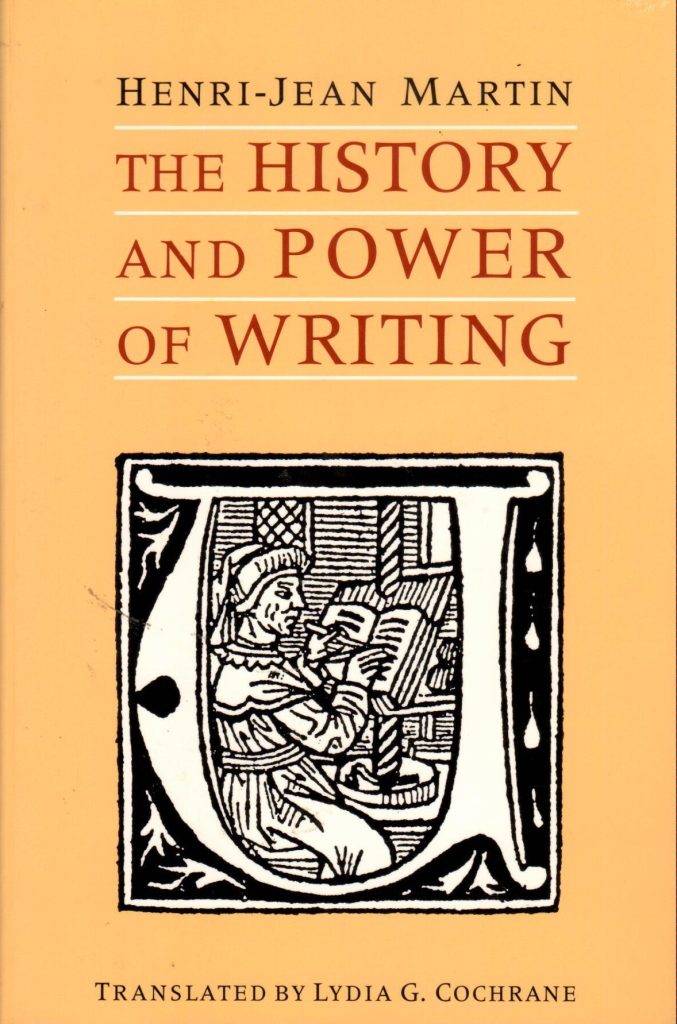
THE HISTORY AND POWER OF WRITING
WRITING is the graphic expression of actual SPEECH
The PEN is the TONGUE of the MIND (Horace)
WRITING was permanent MEMORY/SPEECH:
Storage of ideas
on stone, clay, animal skin, papyrus and lately computer chips
April
PLATO:
HE WAS A WISE MAN WHO INVENTED GOD
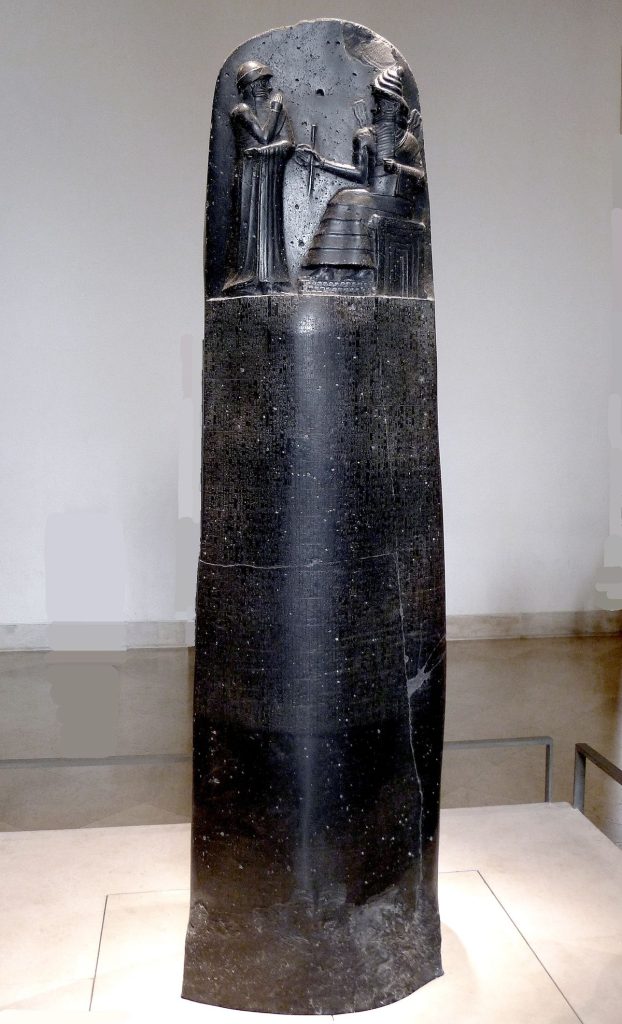
The LAWS of Hammurabi written in stone
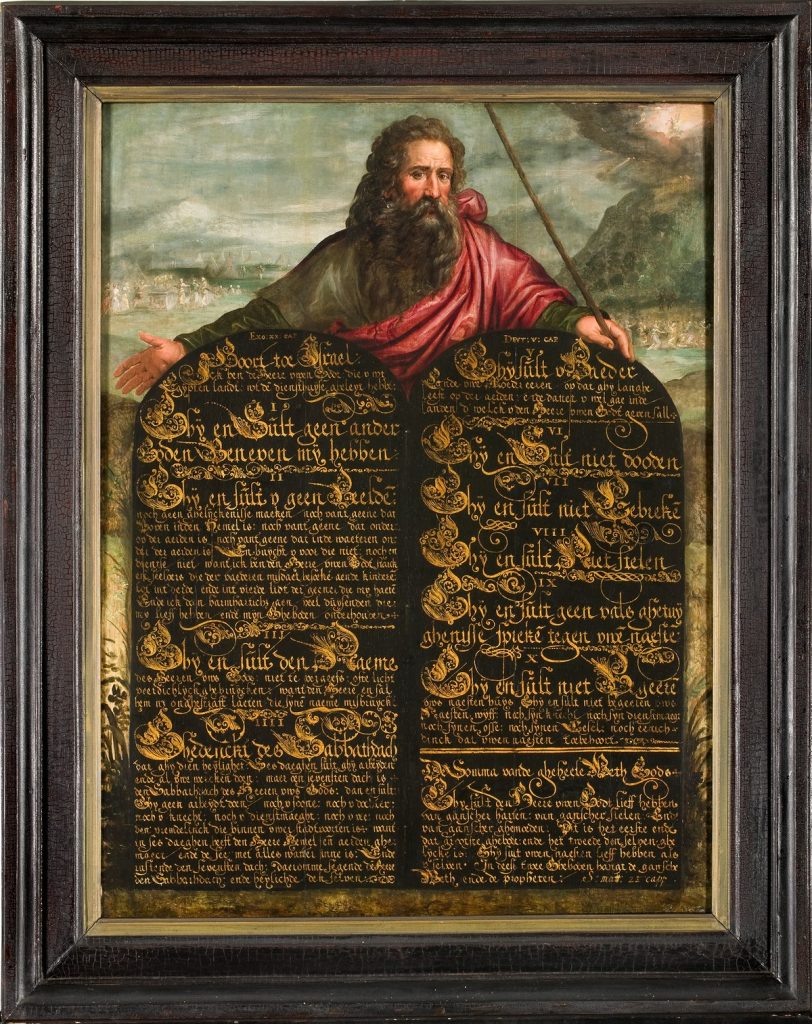
THE TEN COMMANDMENTS written in stone
Exodus 20 & Deuteronomy 5
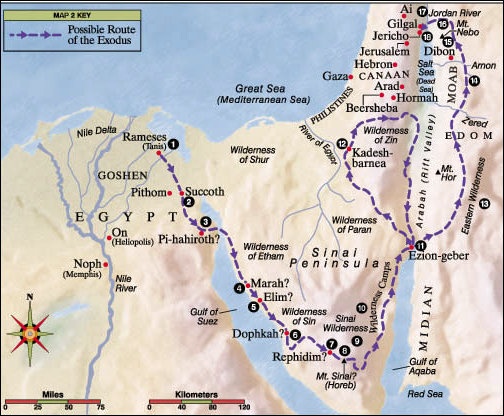
The book of Exodus starts with the slaughter of Hebrew baby boys drowning them in the Nile River. Now that they have left Egypt the story starts with a grand sweep: The Lord’s strategy for his chosen people to make it to Canaan as promised to Abraham, Isaac, and Jacob.
Continuation of March:
Then they depart for Etham: with an angel of the Lord in front of the army and guided by the Lord in a pillar of cloud. At night the Lord hovers above the camp in a pillar of fire so the Israelites feel protected.
EXODUS 14
The plot of “parting the Red Sea” is the Lord’s brilliant idea of destroying the Egyptian army once and for all. He confides to Moses what he intends to do: He’ll make sure that Pharaoh will fume with anger upon hearing of the Hebrew’s escape in the dark of night and will follow them with 600 charioteers and annihilate them. Moses is awe-struck—holding his breath. When the Lord gives him instructions what to do, Moses is eager to participate and do his share.
Standing on a rock so everyone can see him, Moses tells the Israelites that he received a message from the Lord. And the message is that they must make a right-about-face and go for Pi Hahiroth near the sea (across from Baal Zephon) and camp there. Some men start to argue with Aaron but they follow Moses and the “crowd”. When, to their horror, the Israelites see the Egyptian army approaching they shout at Moses: ‘Was it because there were no graves in Egypt that you brought us to the desert to die? Better to serve the Egyptians!’
To get their attention Moses waves his left hand above his head. ‘Calm down!’ he shouts. ‘The Lord will fight for you and told me that the Egyptians you see today you will never see again. Watch this!’ Holding in his right hand his staff, Moses waves his magic wand direction sea and . . . lo-and-behold . . . slowly—the waters divide . . . a highway on dry ground appears . . . with a wall of water on the right and a wall of water on the left. The men gasp, the children shriek and the women cover their faces with their hands, peeking between their fingers. ‘Children,’ Moses shouts as he hands over his staff to his brother, ‘follow Aaron!’ Holding hands with their mothers and siblings, they rush forward, followed by the animals. The legions of armed Hebrew men and Moses make up the tail end.
Pharaoh, in hot pursuit with a cavalry of chariots, sees the magic highway ahead and the throng of Israelites. Moses is holding his hands above his head clapping; from experience Pharaoh knows that those are magic hands. He stops and consults his general who suggests that he’ll launch the attack along with the army. Pharaoh is to make up the tail end to ward off those evil hands. So . . . the general charges into the highway and as he nears the Israelites . . . the dry ground turns into mud! The wheels of his chariot come off and the chariots behind him pile on top of each other. The scene of whinnying horses and screaming charioteers wallowing in the mud is horrific. That’s when the Lord whispers into Moses’ ear: ‘Turn around and stretch out your hand over the sea. The waters will swallow up the enemy.’ And so it happens that the army drowns—the shore is blanketed with dead Egyptians. Not one of them survives to tell this tale. The Israelites begin to fear their Lord when they see the power of their God in full force. They put their trust in the Lord and Moses.
EXODUS 15
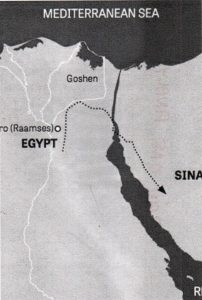
WATER becomes the main issue for humans and the animals
So . . . for 3 days the Israelites wander through the Desert of Shur without finding water until they come at Marah where, alas, the water is bitter! The wailing of the adults and the sobs of the children is heart-breaking. God gives Moses a piece of wood to throw into the water so it will turn sweet. After a needed rest, the party goes to Elim—an oasis with 12 springs and 70 palm trees. For some time they camp there until Moses reminds them it is time to continue toward Canaan. On their way to Sinai they travel through the Desert of Sin. This time the Israelites grumble about food. The memory of pots of meat in Egypt makes them salivate and say that they would rather have died in Egypt than starve here. So . . . Moses consults God. The people must gather and he’ll promise them meat.
Moses and Aaron order the clans to show up. Moses points to the horizon and . . . lo-and-behold . . . there hovers “the glory of God in a cloud”. ‘Tonight’, he says, ‘you will eat meat, and tomorrow morning you will eat bread.’ In awe, the clans return to their camps and wait in anticipation.
And . . . lo-and-behold—the sky turns darker and darker. Magic happens . . . birds drop down and glut the camps. Shouting with excitement everyone collects quails. In the morning the desert floor is covered with thin, frost-like flakes. ‘These are wavers with honey,’ Moses says. ‘This is the Lord’s bread’. They are told to collect this bread every day, but on the 7th day, the Sabbath, they must rest. Then Moses tells Aaron to get a “jar”. He puts four pints of the bread in it and then shows the jar to the Lord for “his blessing”—the Testimony. This special jar [magic bread box] is to be kept “for generations to come” until the Israelites reach the border of Canaan.
Access to water, or rather scarcity, becomes a cause for uprisings within the camp. At Horeb, Moses uses his staff to tap a rock for water. He also holds his staff to “win wars” when they enter foreign territory. Supported by Aaron and an elder, Moses stands on a hill holding up high the staff of God to encourage Joshua, who, of course, wins the battle against the Amalekites. ‘Write this down on a scroll,’ God says to Moses, ‘as something to be remembered. That we destroyed the Amalekites.’ Moses builds an altar and calls it “The Lord is my banner”.
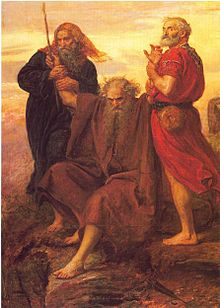
Out of the blue, Jethro, Moses’ father-in-law, shows up with Zipporah and her two sons to unite them with their father Moses. Jethro watches Moses playing judge, settling clan grudges all day long, even in the evenings. He suggests that Moses select trustworthy, capable men to help him out with these duties because he looks burned-out. Saying farewell, Jethro returns to his country.
EXODUS 19
The story in a nutshell: Scene—the Israelites are camping at the foot of Mt. Sinai.
Moses goes up the mountain to receive instructions. The Lord says: ‘You are to tell the house of Jacob if the Israelites obey me and keep the covenant (circumcision) then out of all nations you will be my treasured possession. Although the whole earth is mine, [God is pushing himself to be accepted] you will be a kingdom of priests and a holy nation. Let me know their decision.’
Moses returns to the camp and delivers God’s offer. The Israelites accept whole-heartedly. Moses goes up the mountain telling God that his people accept Him as their Lord. God then tells Moses that the Israelites must prepare themselves to meet God and wash their clothes—[cleanliness is next to Godliness]—and abstain from sexual relations for two days. On the third day they must stand at the foot of the mountain and not touch the ground or they’ll die. When the ram’s horn sounds they may meet their Lord.
As planned, on the morning of the third day there is thunder and lightning, a thick cloud covers the top of the mountain and then the sound of a trumpet. Accordingly, Moses leads the people to the foot of the smoke-covered mountain. The sound of the trumpets becomes deafening as God descends in fire from the sky. Moses calls out to God. And . . . wrapped in a cloud the Lord descends in the very top where He hovers—ordering Moses that he and Aaron join him. The priests and the people, trembling with fear, say to Moses: ‘Do not have God speak to us or we will die!’
So . . . With Aaron as his witness next to him, Moses addresses the people as follow: ‘You have seen for yourself that I have spoken to you from heaven.
These are the Lord’s Ten Commandments:
1:--I the Lord am your God who brought you out of the land of Egypt, the house of bondage.
2:--You shall have no other gods besides me.
3:--You shall not swear falsely by the name of the Lord your God.
4:--Remember the Sabbath day and keep it holy.
5:--Honor your father and your mother.
6:--You shall not murder.
7:--You shall not commit adultery.
8:--You shall not steal.
9:--You shall not bear false witness against your neighbor.
10:--You shall not covet your neighbor’s house: you shall not covet your neighbor’s wife, of anything that is your neighbor’s.
The Lord God says: Do not make any gods to be alongside me; do not make for yourselves gods of silver or gods of gold. [the one dollar bill: In God We Trust] Do not invoke the name of other gods; do not let them be heard on your lips.
Next: More laws to be obeyed: on servants; personal injuries; protection of property; social responsibilities and laws of justice and mercy, and restrictions on the Sabbath. Three times a year the people are to celebrate a festival to the Lord.
1:--The Feast of Unleavened Bread.
2:--The Feast of Harvest.
3:--The Feast of Ingathering.
The Lord says to Moses that he’ll have an angel to guard him along the way who will escort, at a slow pace, the Israelites into the land of the Amorites, Hittites, Perizzites, Canaanites, Hivites and Jebusites. They must not bow down before their gods or worship them or follow their practices. Again, the Lord establishes their borders from the Red Sea to the sea of the Philistines (Mediterranean) and from the desert to the River Euphrates. God’s blessing will be on their food and water if they worship Him.
Moses—the obedient servant—follows God’s orders and without using tools builds an altar at the foot of the mountain. Next to the altar he sets up twelve pillars representing the twelve tribes of Israel. When young men offer young bulls to be sacrificed Moses remembers that God had told him not to offer the blood of a sacrifice along anything with yeast. He collects half of the blood and puts it in bowls—the other half he sprinkles on the altar. He takes the Book of the Covenant (the scroll with the instruction of circumcision) and reads it to the people. They say: ‘We will obey.’ Then Moses takes the bowls with blood, sprinkles it on the people, and says, ‘This is the blood of the covenant that the Lord made with you in accordance with these words.’
Then Moses, Aaron and 70 elders of Israel go up the mountain to pay their reverence to the Lord—whose feet are on a pavement made of sapphire: clear as the sky. God invites his guests to eat and drink. As they leave, God tells Moses to come back but this time alone to receive the tablets of stone with the law and commandments. With a heavy heart Moses returns and enters the cloud that covers the mountain.
In a nutshell:
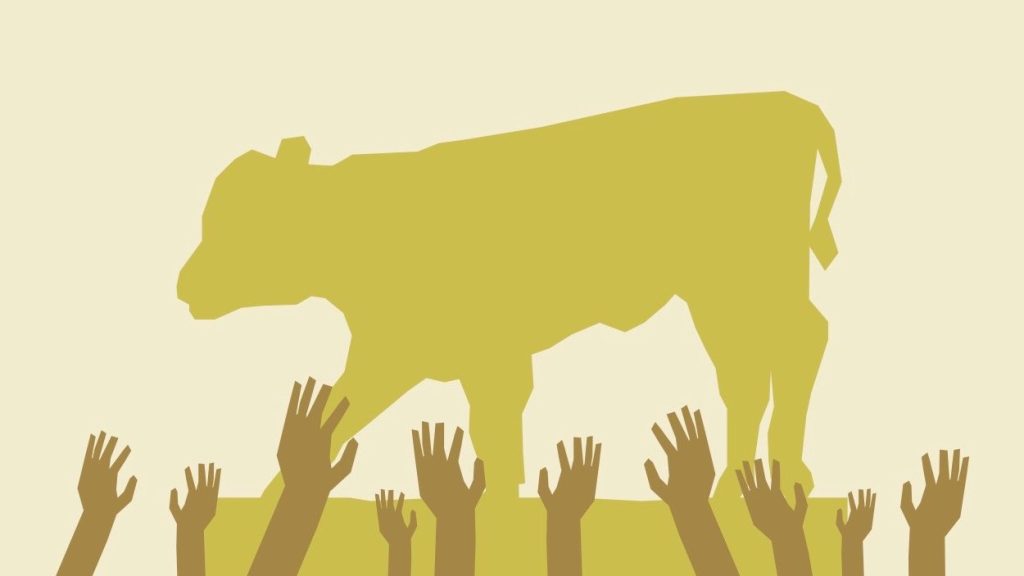
DRAMA in capital letters. In his absence the Israelites become aggressive and demand that Aaron give them a god to worship so they can make sacrifices. [eat MEAT!] They give him gold earrings to make them an idol. So, Aaron builds an altar and throws the jewelry into the fire and out comes . . . voila! . . . a golden calf! Up in the mountain the all-seeing Lord mentions this to Moses. Embarrassed, Moses reminds God that he promised Abraham, Isaac, and Jacob that their descendants will inherit the land of milk and honey. God is annoyed being reminded and they have a heated dispute about the Israelites’ sinful behavior. Angered, Moses goes down the mountain with the two stone tablets. Joshua meets him and says that the shouting in the camp is the sound of war. Moses sees the golden calf and the people dancing and hot with rage smashes the tablets on the ground at the foot of the mountain. He confronts Aaron who tries to explain—but to no avail. Fighting erupts in the camp; a revolt is going on. More than 3000 men die. Moses returns to the clouds in the mountain and tells God about the disaster; who punishes the people with sending them a terrible plague. Then God orders Moses to continue toward Canaan as intended but he no longer will protect them because they are a stiff-necked people. [this god is a control freak] More drama: God changes his mind! More promises: promises galore! Replacing the smashed ones, God gives Moses two new stone tablets. More threats about worshiping other gods, foreign gods! He, the Lord, whose name is Jealous, is a jealous god! [desperate to be accepted!] After forty days and nights have elapsed Moses returns, face radiant, holding the stone tablets written with the finger of God Himself to his people. He has a very special message for them: They cannot work on the Sabbath because it is a holy day and whoever does any work must be put to death. [the kibosh is born]
In a nutshell:
Moses asks Aaron to summon the people as he has a message from their Lord. The Israelites arrive. [brainwash the gullible] Moses says that—the Lord desires that every man offers—freely and with all his heart—gold, silver, bronze, blue/purple/scarlet yarns, fine linens, hides, acacia wood, olive oil, spices, incense, onyx stones and other gems . . . so as to make Him a sanctuary and he can dwell amongst them while they travel. That—he has been given instructions on how to construct this portable temple, the Tabernacle—Tent of Meeting. That—he also has been asked to get all the furnishings made: the throne of God—an acacia chest in gold called the ark of the Testimony with inside the stone tablets, the lamp-stand, and the table. Moses describes the exquisite, colorful priestly garments with the ephod, the breast-plate, and the Urim and Thummim stones [dice] for making decisions. The descriptions are in detail—superb workmanship is required. The many projects keep the people busy like bees/working ants. Needless to say that to keep God content there are elaborate rituals performed with strict rules.
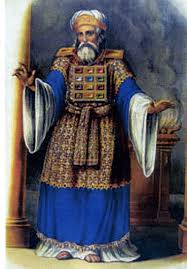
EXODUS 40: In all the travels of the Israelites, whenever the cloud lifted from above the tabernacle, they would set out, but if the cloud did not lift, they did not set out—until the day it lifted. So the cloud of the Lord was over the tabernacle by day and fire was in the cloud by night, in the sight of all the house of Israel all their travels.
THE DEATH OF MOSES AS TOLD BY THE LORD GOD
Moses dies at the ripe old age of 120. No one knows where his grave is.
Because Moses broke faith with the Lord in the presence of the Israelites at the waters of Meribah Kadesh in the Desert of Zin and he did not upheld God’s holiness among the Israelites, God tells him that he may see the land of milk and honey “only from a distance” [revengeful/sadist] Moses climbs to Mt. Nebo in Moab—across from Jericho—and sees the whole land. God nods and says: ‘This . . . is the land I promised on oath to Abraham, Isaac, and Jacob when I said: I will give it to your descendants.’
VERITAS ODIUM PARIT—TRUTH BEGETS HATRED
CAN RELIGION BE SUBJECT TO “ENGINEERING”?
BLAISE PASCAL:
Men never do evil so completely
and cheerfully as when they do it from religious convictions.
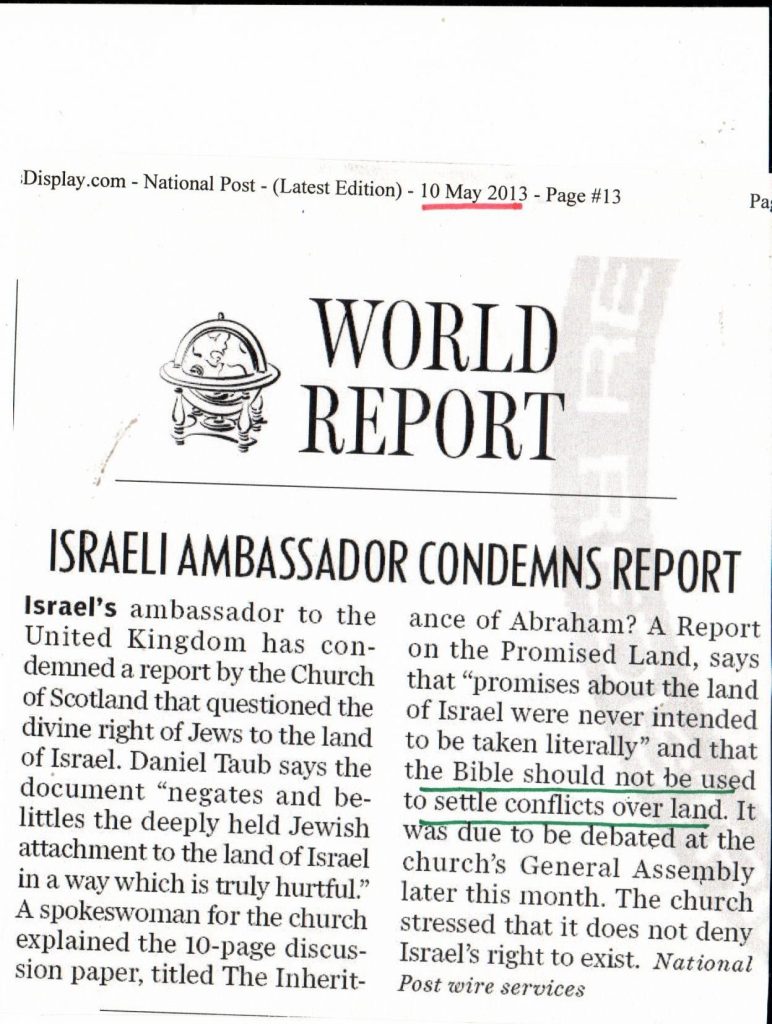
PSALM 164
(Old Testament)
The Lord makes grass grow for cattle
And plants for man to cultivate
Bringing forth FOOD from the earth:
WINE that gladdens the heart of man,
OIL to make his face shine
And BREAD that sustains his heart.
THE DIVINE LANDLORD
LAND WAS THE PROPERTY OF THE GODS
It was cultivation of land
that alone provided the basis
for the development of
territorial civilization
The story of:
In the BEGINNING
In principio erat verbum:
(Gospel of John 1:1)
SPEECH IS:
A MNEMONIC
(mindful/memorize) SYSTEM
comprising of WORDS
The history of man is the history of LANGUAGE:
A TOOL FOR COMMUNICATION
Book covers of:

SOFT PORN: 100 pages; E-BOOK
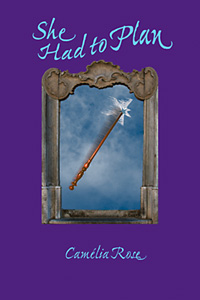
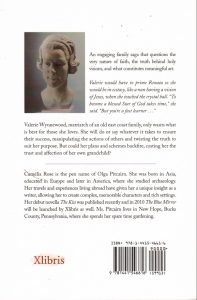
FAMILY DRAMA: 180 pages; E-BOOK

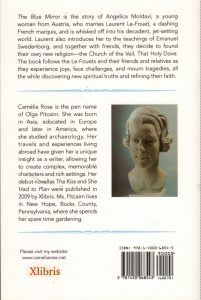
FAMILY BUSINESS:
CREATION OF AN INCLUSIVE RELIGION: 707 pages; E-BOOK
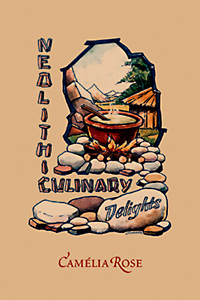
STONE AGE CUISINE
Not yet published—copyright Olga Pitcairn
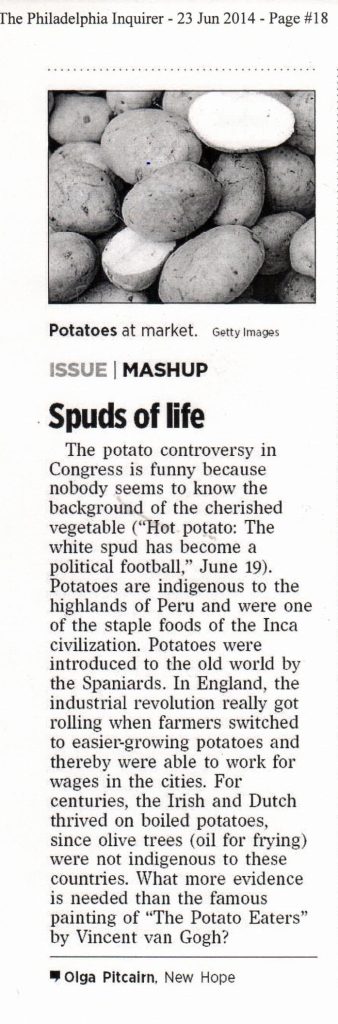
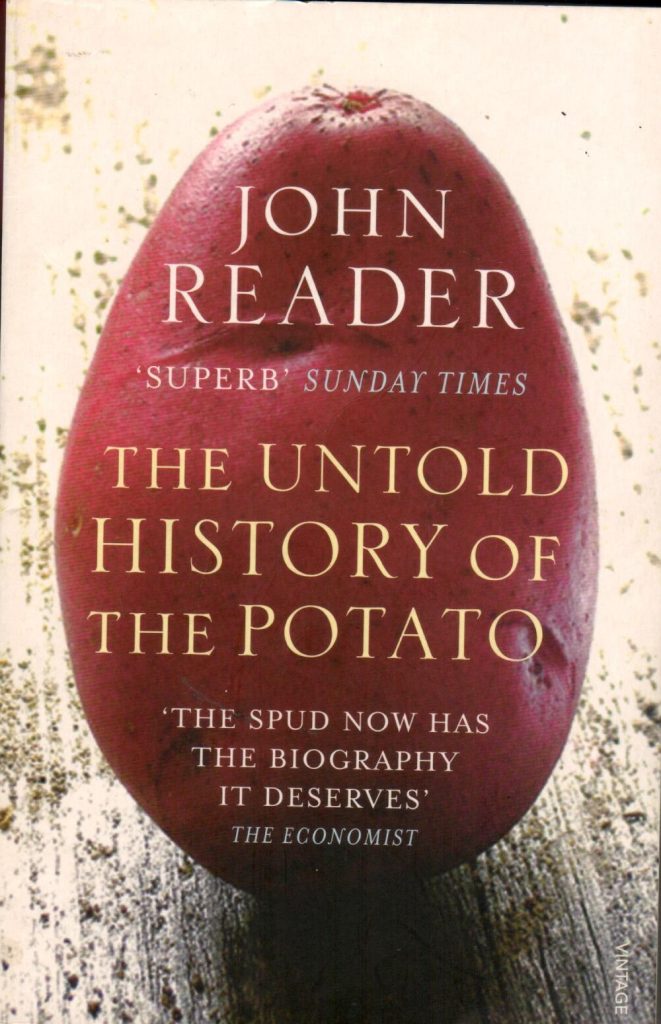
Stories—told by Stone Age women on cooking their “BELLY—FOODS”: the grains WHEAT and BARLEY in ancient Mesopotamia, RICE in Asia, and CORN-MAIZE in Mesoamerica. In Peru, South America, high in the mountains women cultivated POTATOES—that grow under the ground—as their staple food.
Bread/Pasta, made of WHEAT, was once known as the Staff of Life. Today—eaten world-wide—RICE is the belly-food par excellence. It is eaten in Asia from sunrise until sunset. In Mesoamerica CORN-MAIZE is still the staple food of the peoples; globally it is cultivated for feed. POTATOES, introduced to the West by Spain, became the belly-food for tillers of the soil: the peasants of days gone by. Today—potato chips are for snacking; imagine life without fish ‘n’ chips or . . . burgers and French fries!
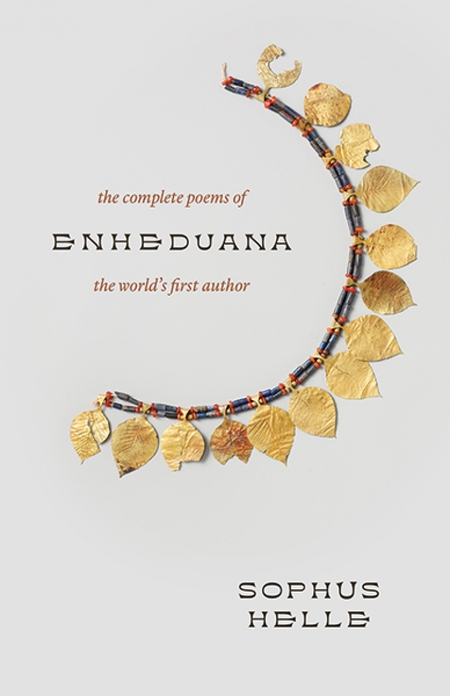
ENHEDUANA:
She who wrote (circa 1800 BCE): Akkad/Mesopotamia
High-Priestess of UR, Enheduana was the daughter of King Sargon. She wrote a prayer in Sumerian to the goddess Inanna, daughter of Nanna, the moon god.
My morning hymn of praise
(copyright Olga Pitcairn)
Oh Inanna-Ishtar—Lady of Heaven!
Daughter of the Moon—beautiful you are.
Oh Joy of Eanna, the House of Heaven!
Child of the night, beloved Morningstar!
Oh Inanna-Ishtar—Queen of Heaven!
Shepherdess of the Igigi—benevolent you are.
Oh brilliant One, the Torch of Heaven!
Light of all mortals, oh blessed Morningstar!
WRITING: A TOOL FOR COMMUNICATION
IN THE BEGINNING . . .
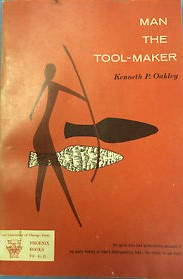
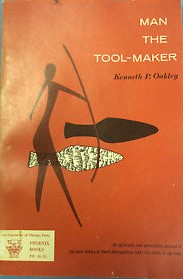
MAN THE TOOL-MAKER
COMING UP!
May
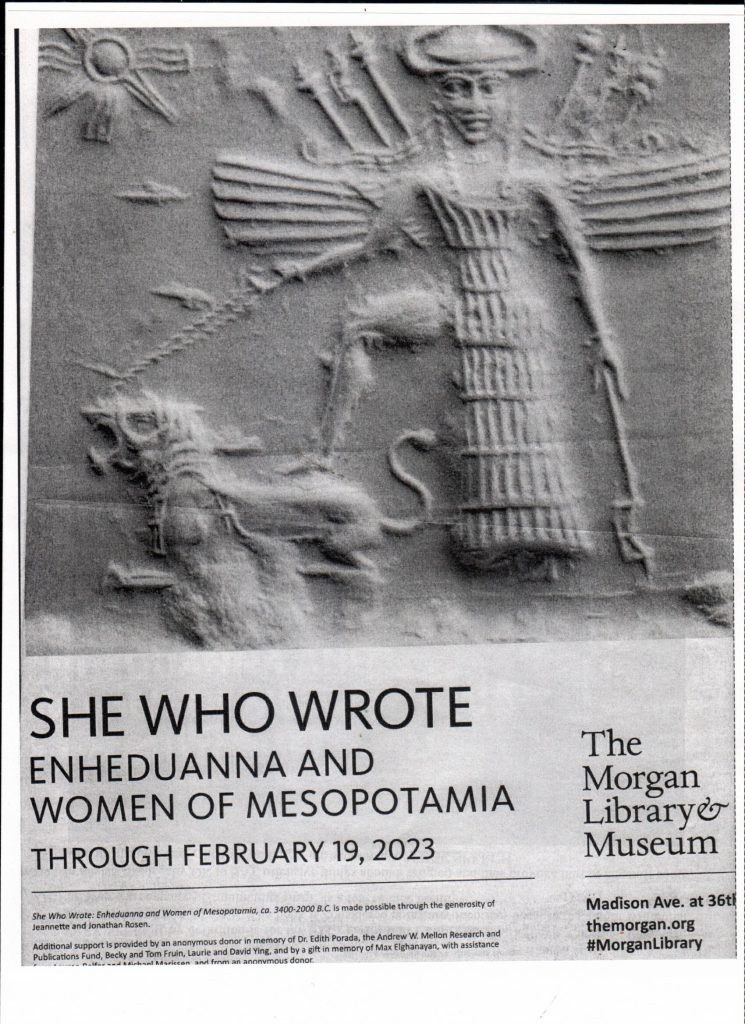
To begin with:
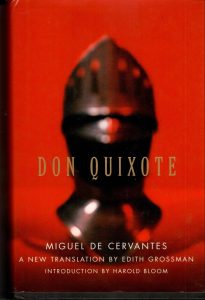
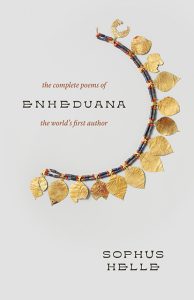
I want to pay homage to my pioneer sister ENHEDUANNA: She who wrote in ancient Mesopotamia; to the Roman citizen APULEIUS and his pornographic, hilarious tale The Golden Ass; to Miguel de Cervantes of Spain and his epic novel DON QUIXOTE; to SHAHRAZAD: She of the Arabian Nights (whatso woman willith, the same she fulfillith, however man nillith); and the romantic Tales of the Alhambra by 19th century raconteur Washington Irving: the Knickerbocker. These tellers of tales used their TONGUE (what’s your mother tongue—first language), TOOL OF COMMUNICATION, to entertain the world at large.
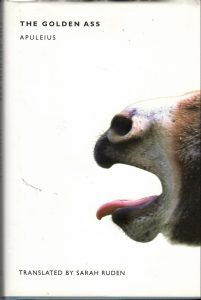
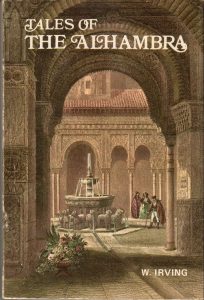
Where to Buy
Olga-pitcairn.com
June
July
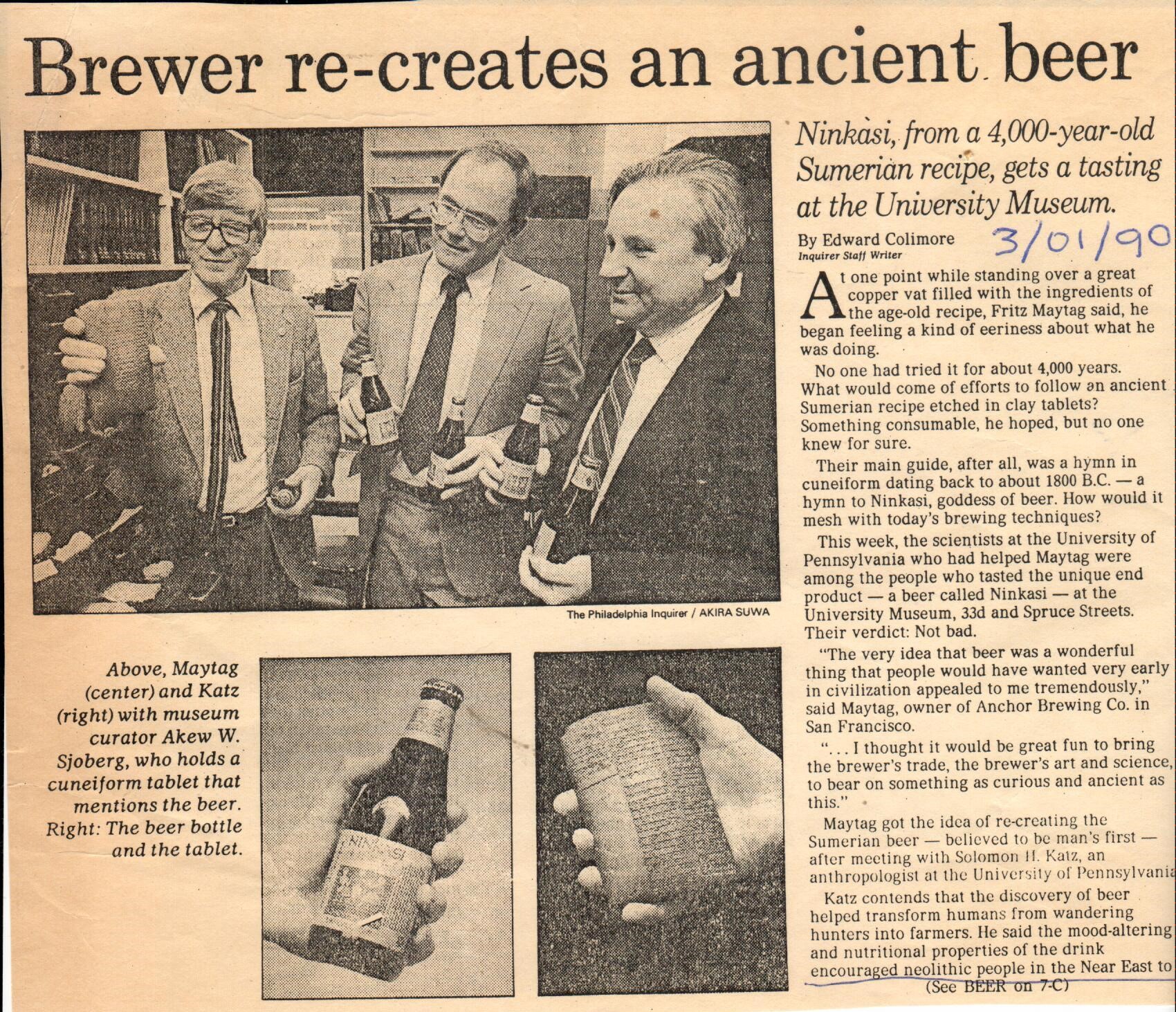
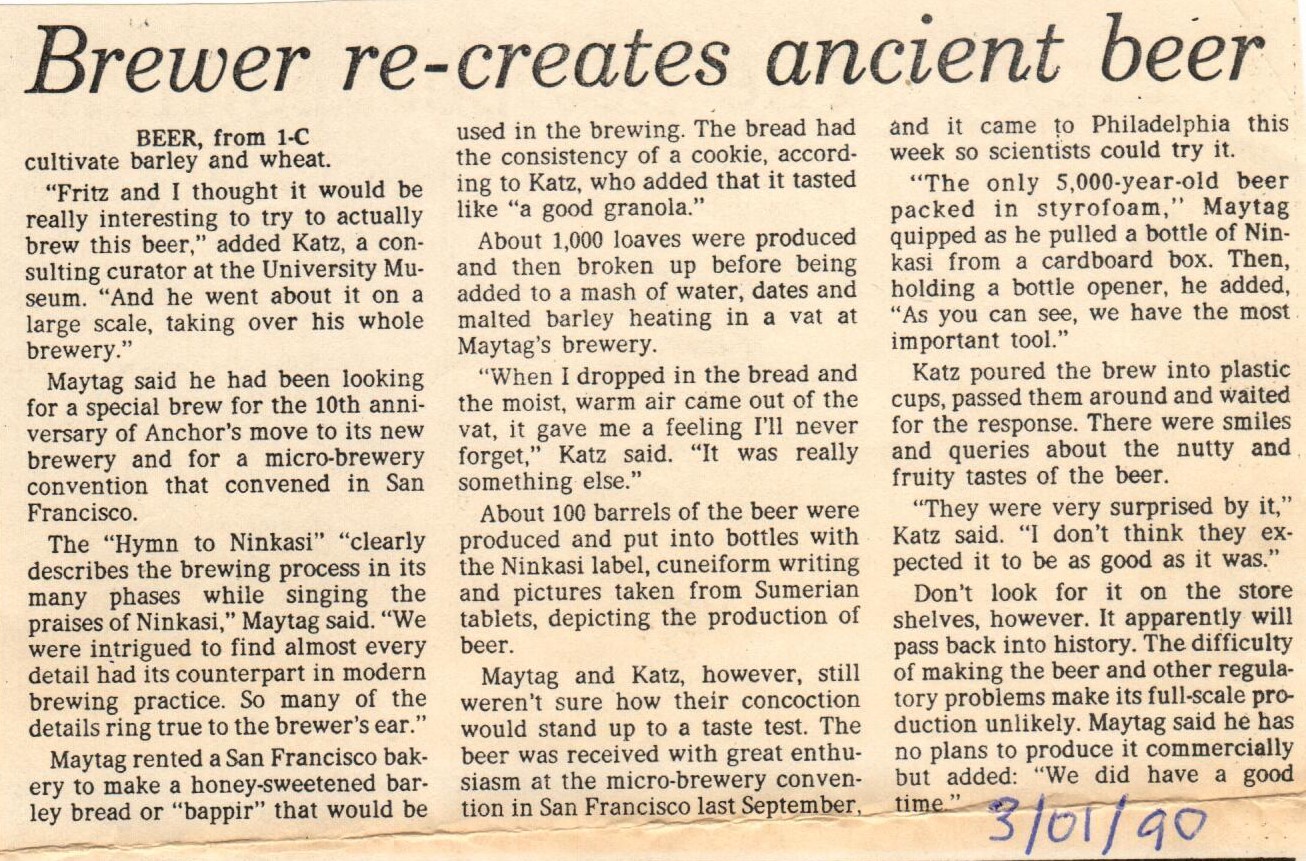
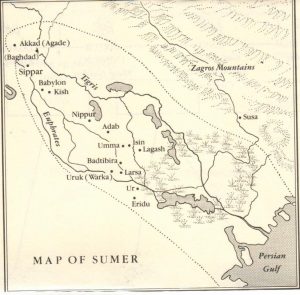
A MAN-MADE WORLD
The tiny city of UR earned its living by extending its commercial operations right down the Persian Gulf into the Indus basin and up the valleys of the Euphrates and Tigris into Anatolia and Kurdistan.
August
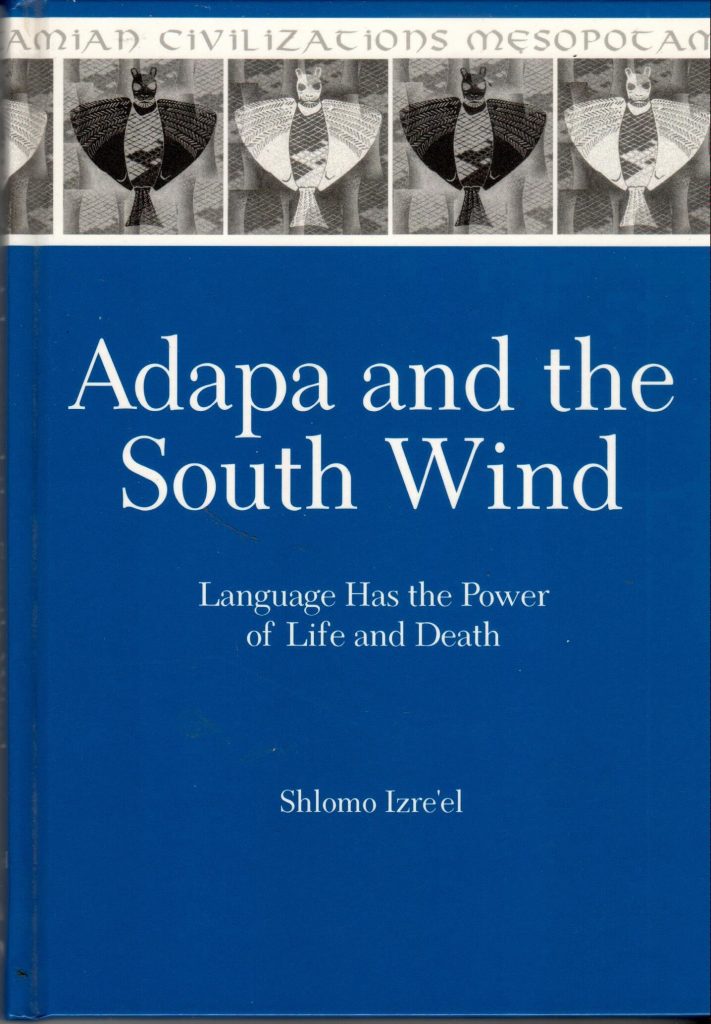
LANGUAGE HAS THE POWER OF ----LIFE AND DEATH
[courts/judges]
WITHOUT LIES --- THERE IS --- NO TRUTH
[in vino veritas]
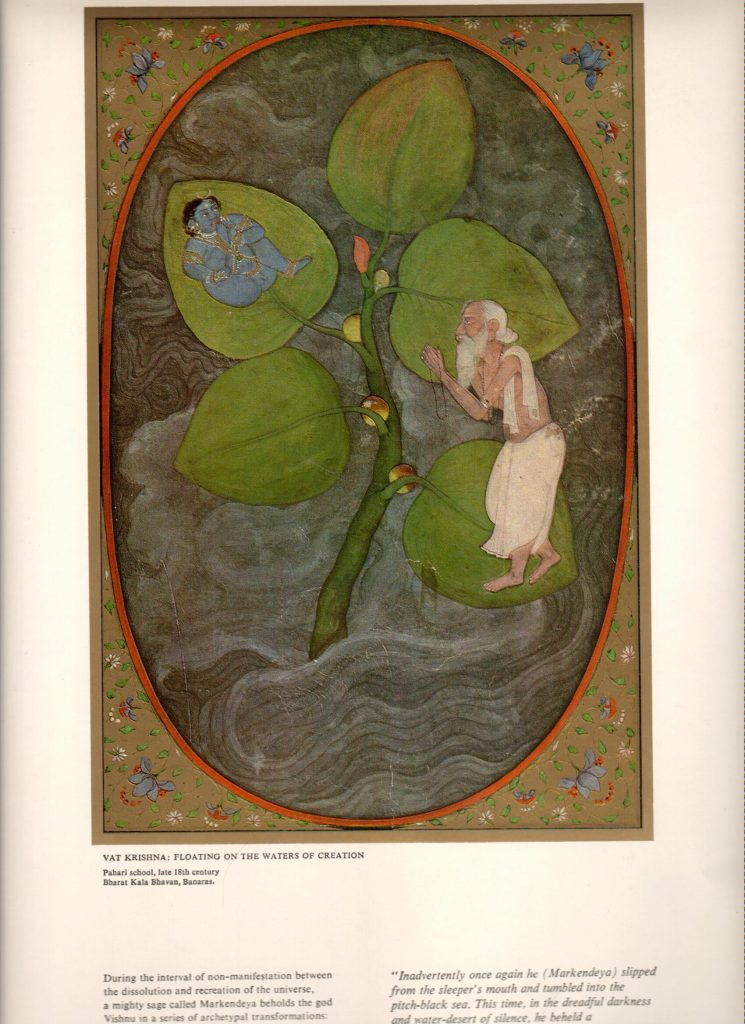
I AM THE SOURCE OF THE UNIVERSE
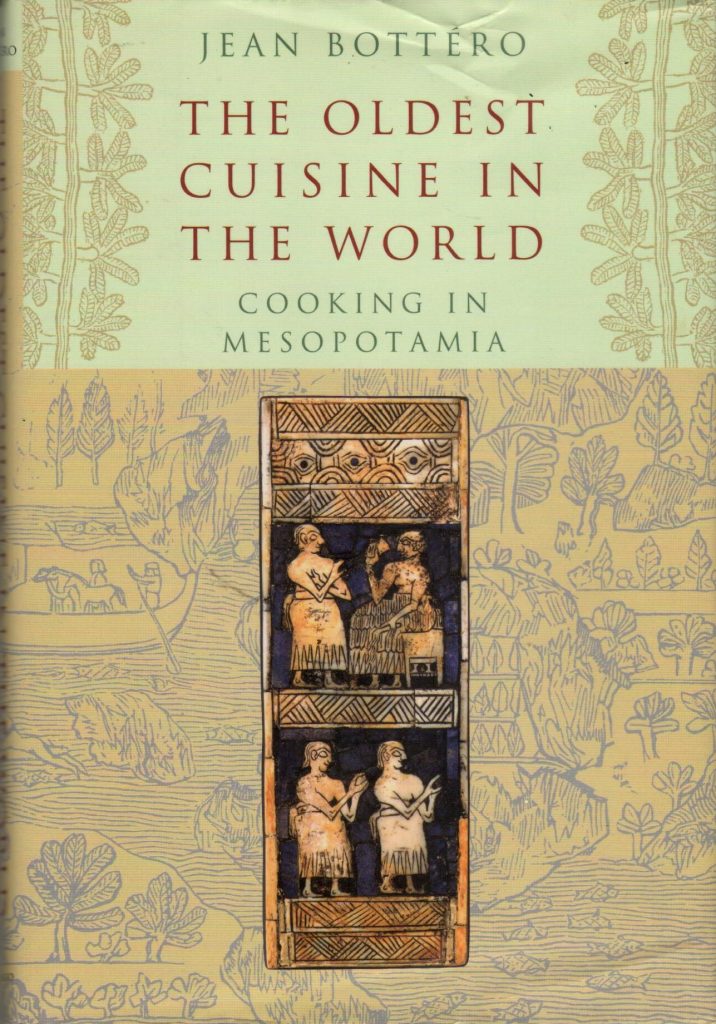
COOKING (in water) IS A CULTURAL PHENOMENON
September
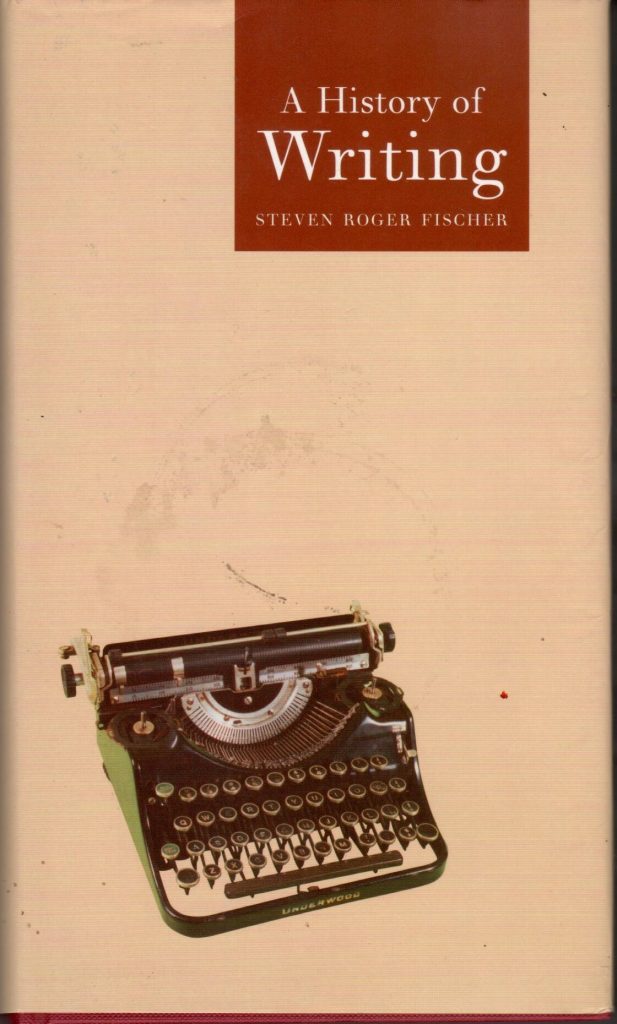
One of humanity’s greatest inventions:
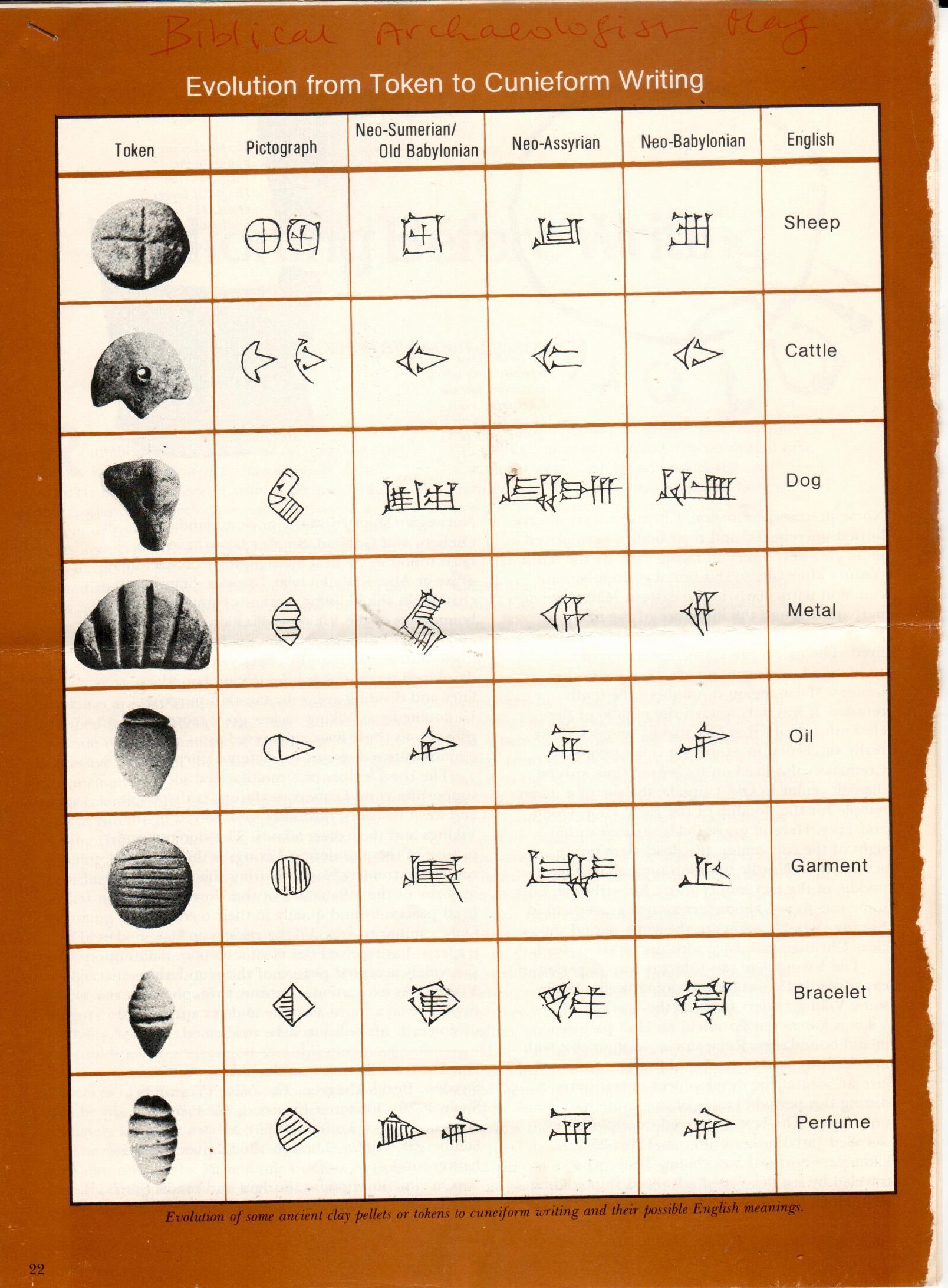
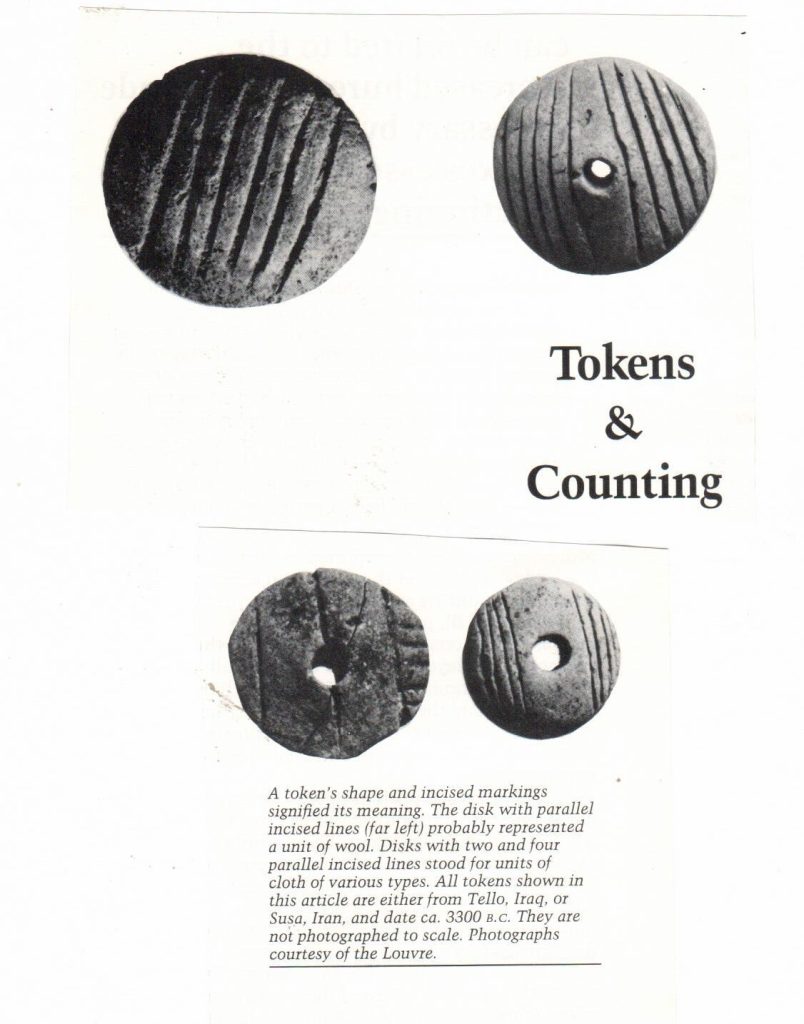
WRITING—the ability to MAKE language VISIBLE—and PERMANENT
And—COMMUNICATE—at—LONG DISTANCES
WRITING IS A CULTURAL PHENOMENON
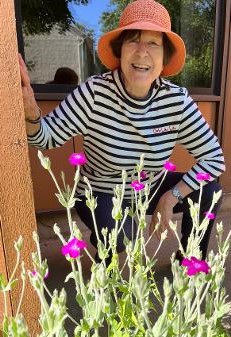
CAMELIA-OLGA: May, 2023
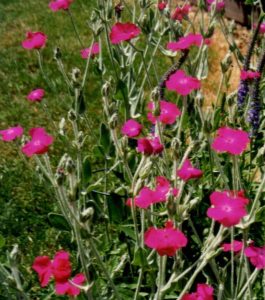
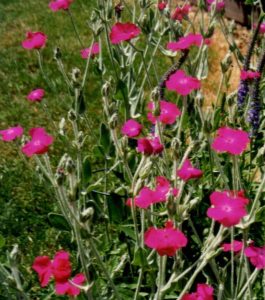
ROSE CAMPION [LYCHNIS]
Since 1990, Rose Campion has flourished in my garden
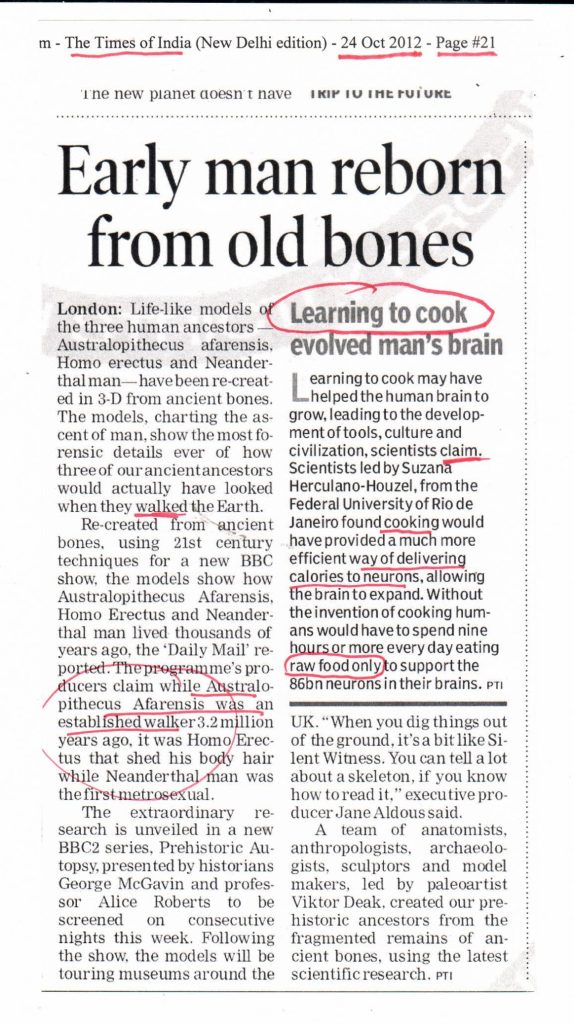
WE ARE COOKIVORES
THE POTATO
SOLANUM TUBEROSUM



POTATO FLOWERS
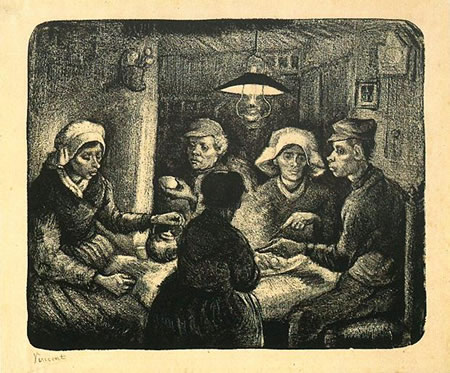
THE POTATO EATERS byVan Gogh
PERU--BOLIVIA
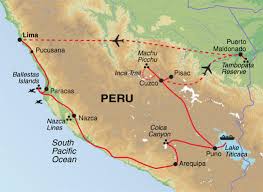
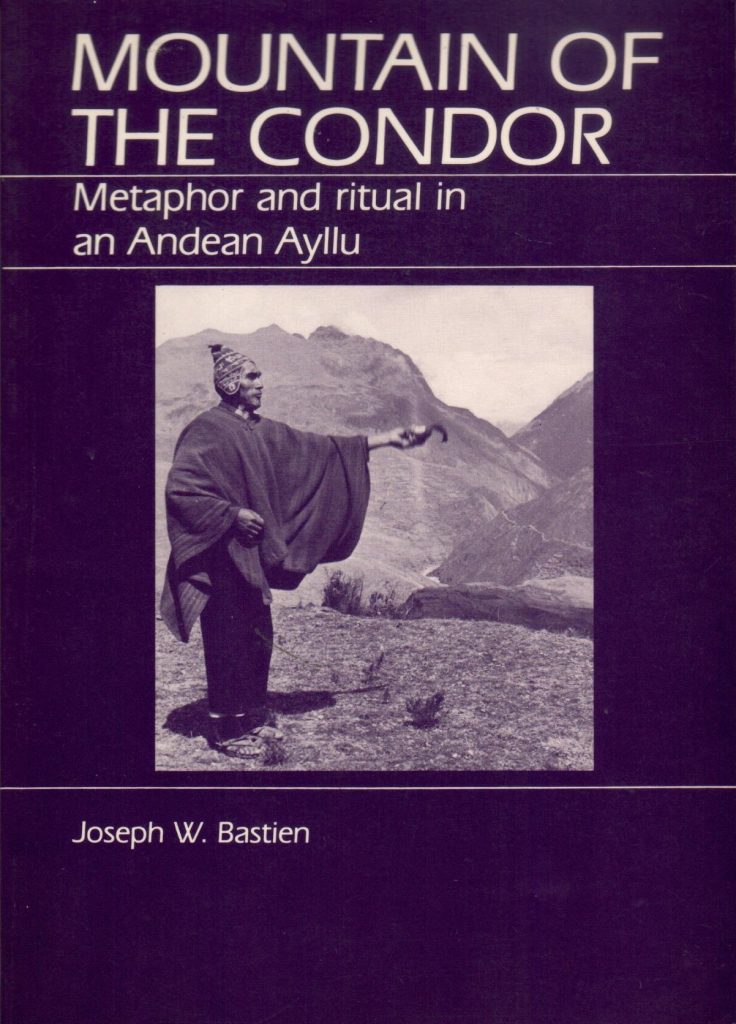
The mountain Aymara belong to tribes that migrated from North America along the coast of Mesoamerica to South America and circa 3000 BCE had settled in the area around Lake Titicaca. They were the first cultivators of the “white potato” of which they had over 200 varieties. The INCA emperors ruled Peru circa 1000 CE until the Spaniards arrived in the early 16th century. The Incas worshipped god Viracocha.
October
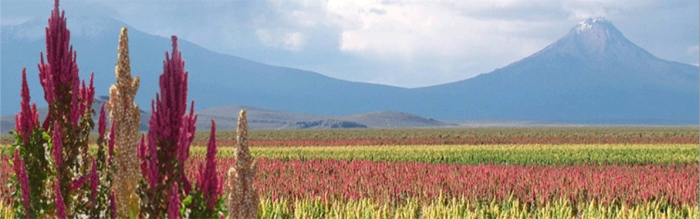
QUINOA FIELDS
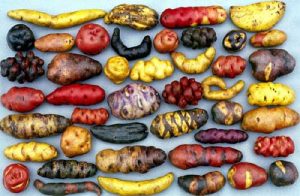
CHUNO POTATOES
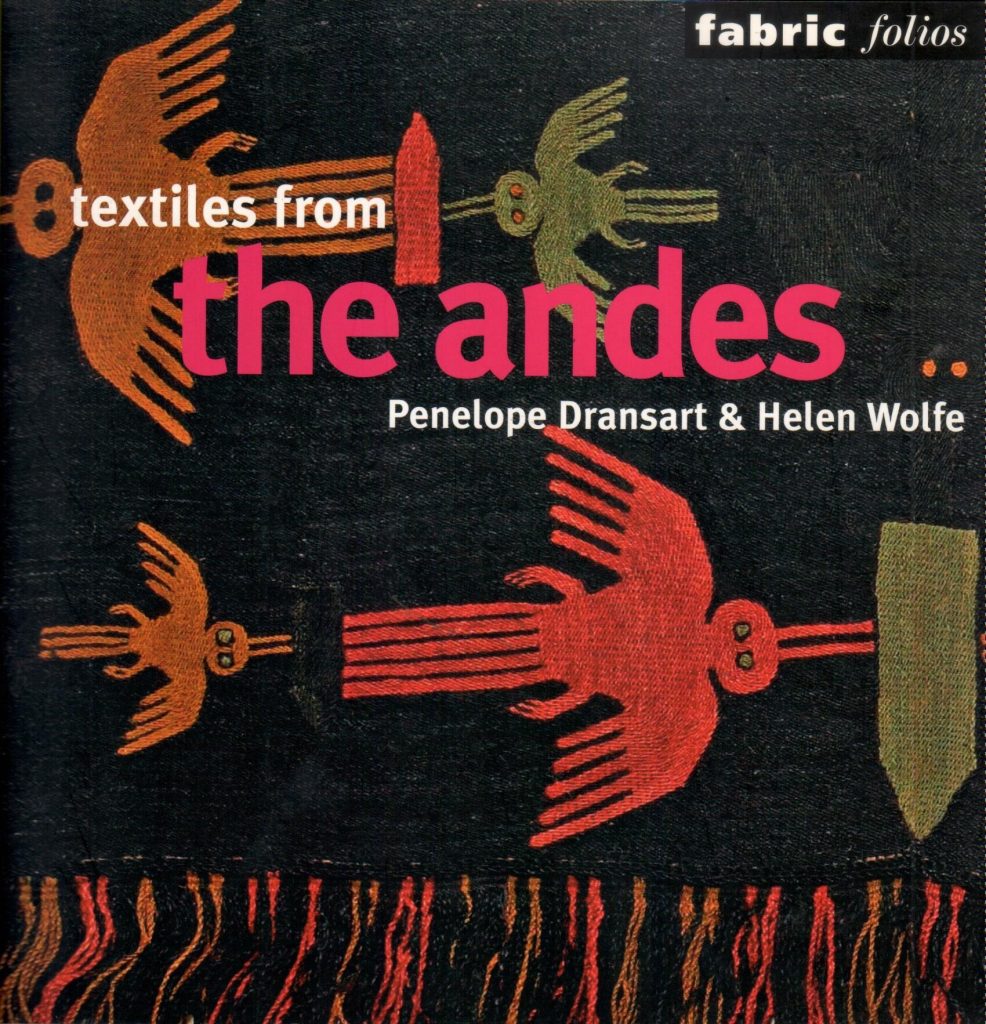
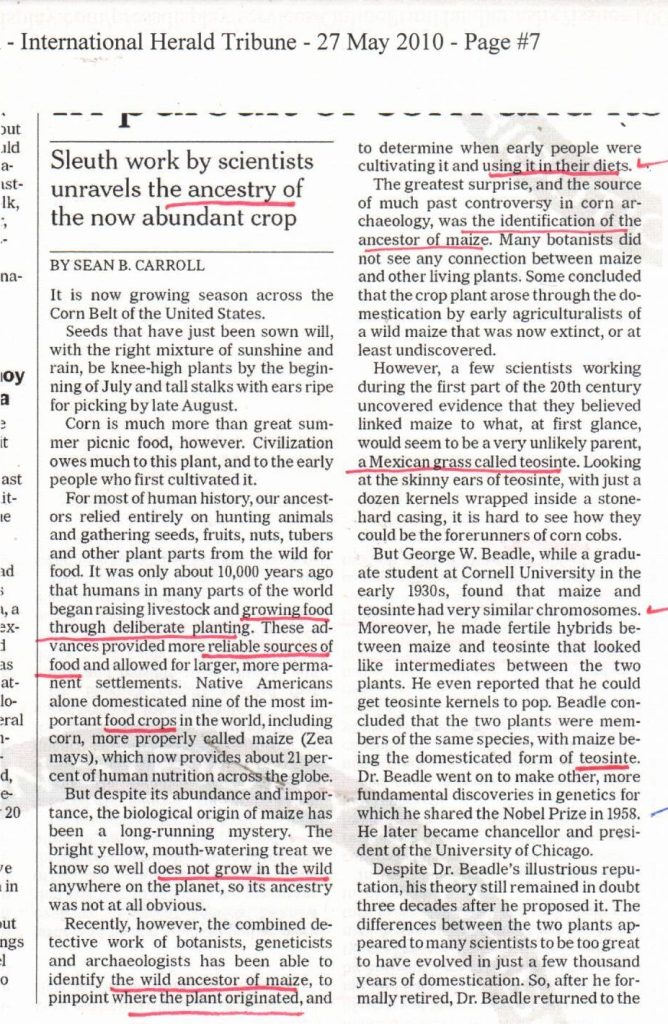
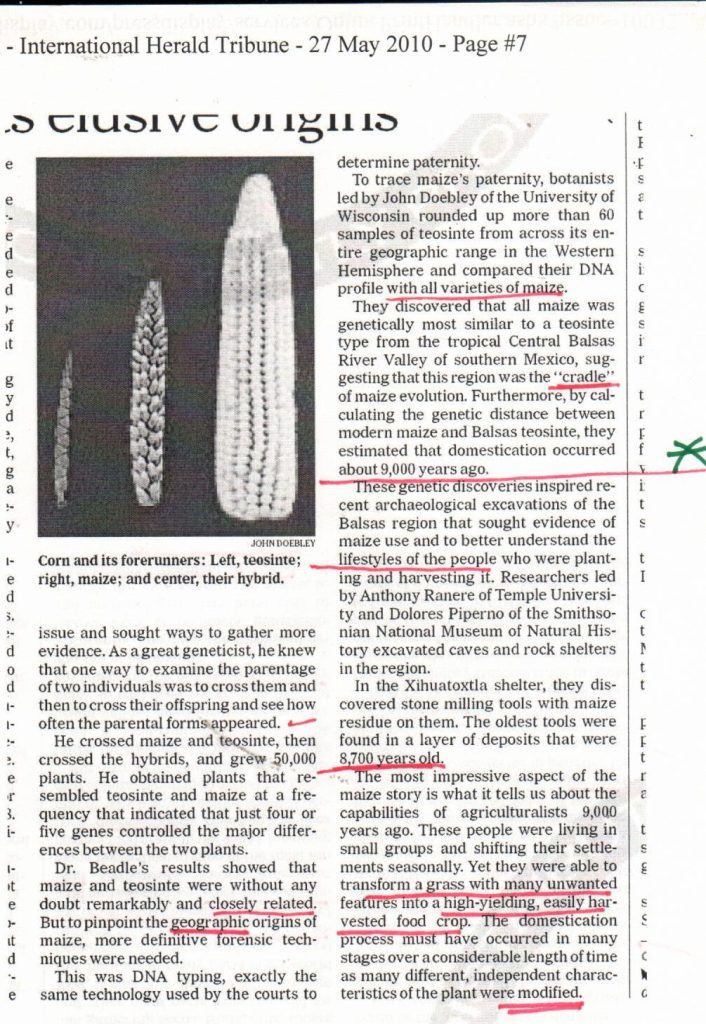
MAIZE can only be reproduced with human assistance
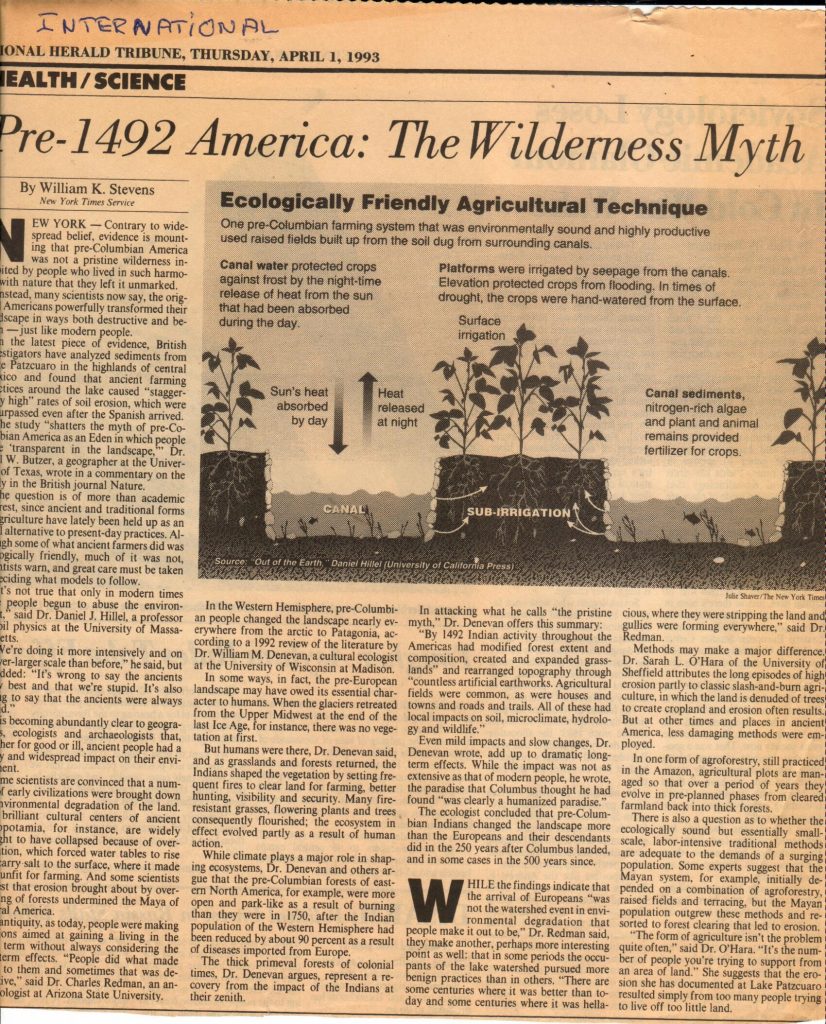
AGRICULTURAL FERTILITY RITUALS DEVELOPED INTO STATE RELIGIONS
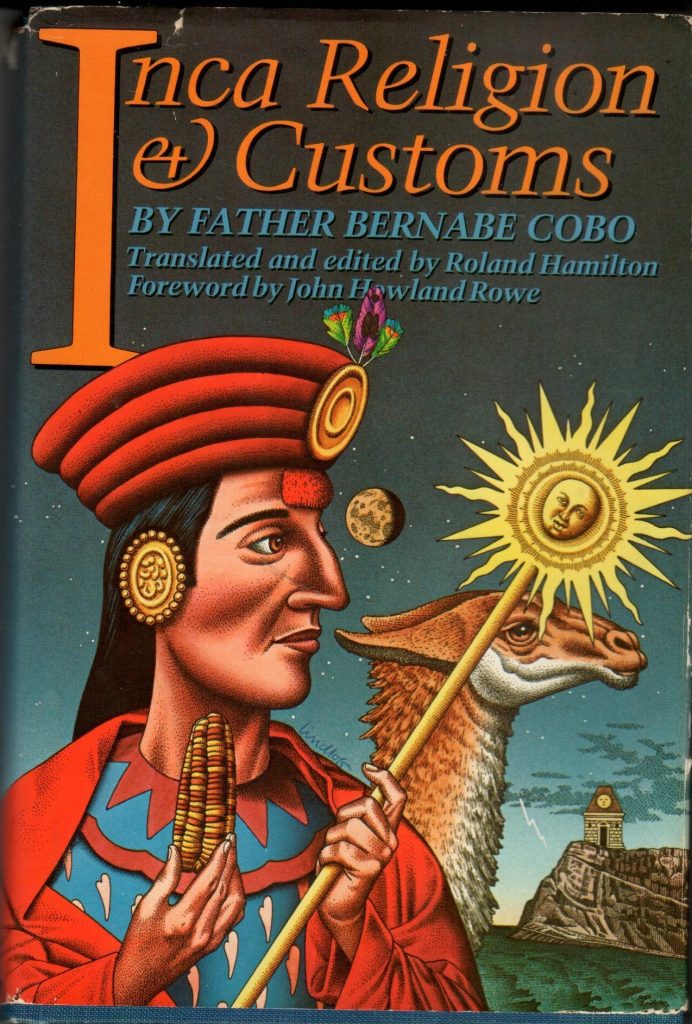
BELIEF essentially means that you are assuming something that you do not know.
You actually believe in something you actually do not know.

For more information on the potato: visit my website 2016
GALILEO:
All Truths are easy to understand once they are discovered; the point is to discover them.
Anthropologists and archeologists have been wondering why the Incas had
NO WRITTEN LANGUAGE.
How about looking at our cradle of Western Civilization: SUMER.
I have a hunch they had no written language . . . because there was
‘no international’ TRADE . . . necessitating long distance communication.
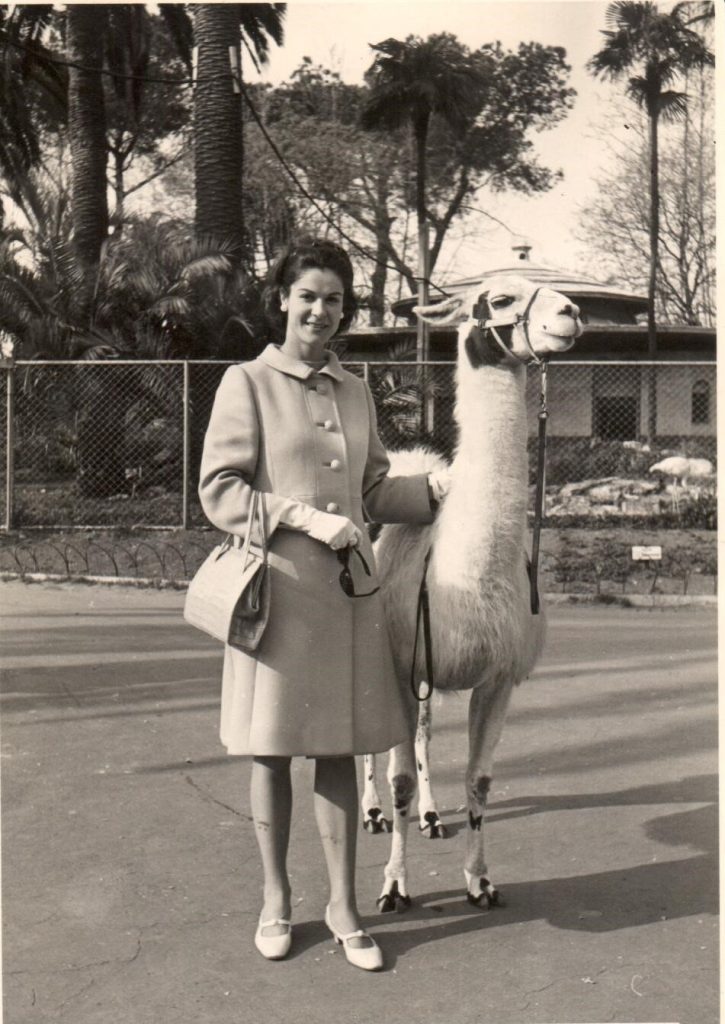
LLAMA and ME
ROME: ZOO, March 1967
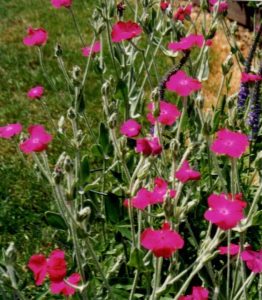
Rose Campion (Lychnis)
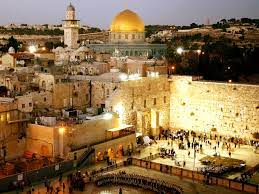
PALESTINE
THE CONTEST FOR JERUSALEM
King David made JERUSALEM the capital of Judea.
King Solomon built the Temple.
In 70 CE, the Romans destroyed the Temple of the Jews.
Burial place of Jesus Christ: Church of the Sepulchre—the Rock of Calvary.
In 638 CE, Caliph Omar entered Jerusalem; fifty years later was erected on these ruins the Dome of the Rock.
In 1841, Orson Hyde erected on the Mt of Olives an altar and beseeched (Google) God to restore the kingdom unto Israel and raise up Jerusalem as its capital and continue her people as a distinct nation. On the site of the altar was built a branch of Brigham Young University.
THE OLD TESTAMENT
THE TEN COMMANDMENTS
2—YOU SHALL HAVE NO OTHER GODS BESIDES ME
6—YOU SHALL NOT MURDER
THE NEW TESTAMENT
GOSPEL OF MATTHEW
1—A record of the genealogy of Jesus Christ the son of David,
the son of Abraham.
5:27—Do not think that I have come to abolish the LAW or the PROPHETS; I have not come to abolish them but to fulfill them.
10:34—Do not suppose that I have come to bring peace to the earth. I did not come to bring peace, but a SWORD ……
November
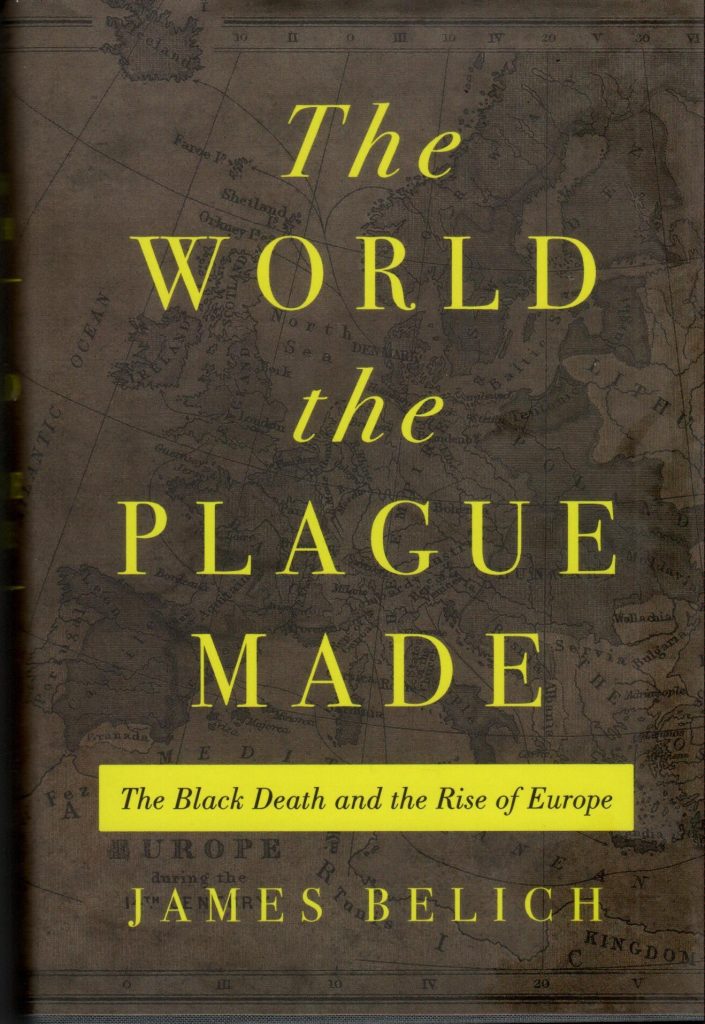
The WORLD the PLAGUE MADE
A ground-breaking history of HOW the Black Death unleashed revolutionary CHANGE across the medieval world and ushered in the modern age—GLOBAL TRADE.
Today: COVID changed the work-place:
Revolutionizing the “educational environment”.
[Book-banning; free speech/woke; the gay movement]
EINSTEIN:
I fear the day when technology will surpass our human interaction.
The world will have a generation of fools.
EINSTEIN:
We shall require a substantially NEW MANNER OF THINKING
if mankind is to SURVIVE.
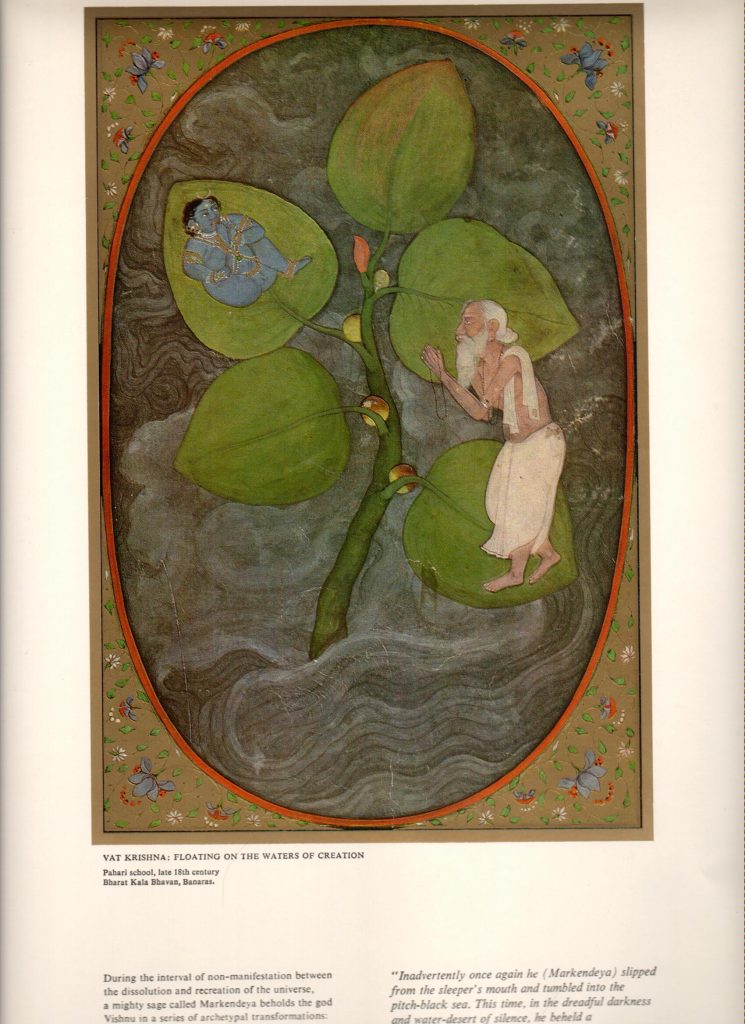
THE WATERS OF CREATION
“I AM THE SOURCE OF THE UNIVERSE”
The location story
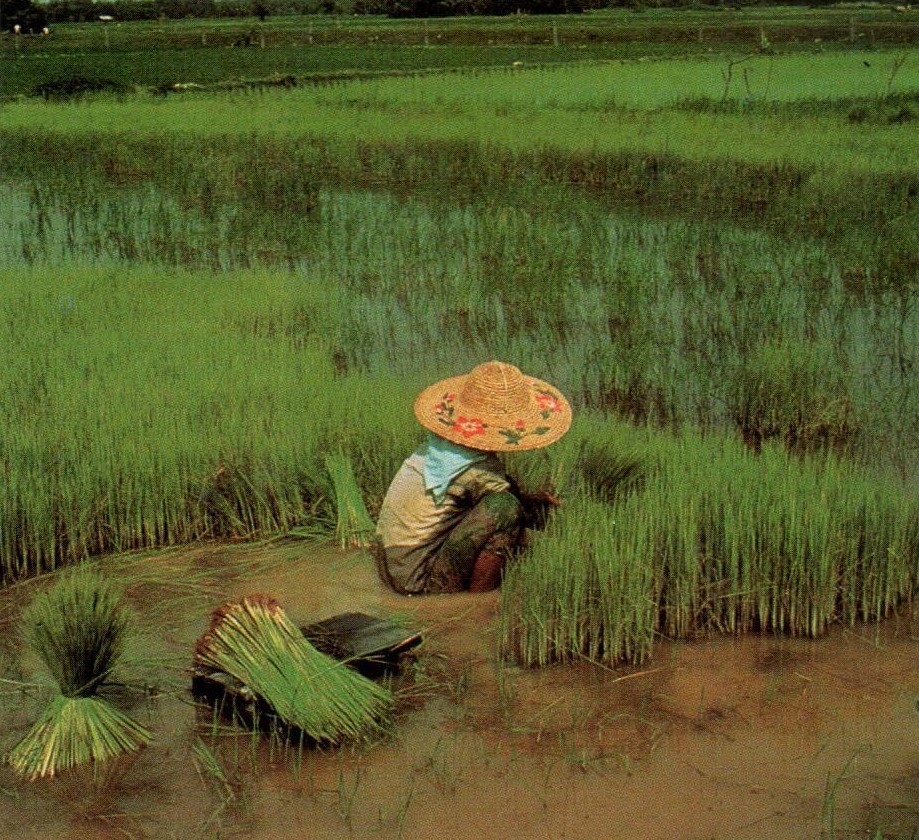
FOOD: THE FUEL OF LIFE
[for more information on RICE, please visit website 2016]
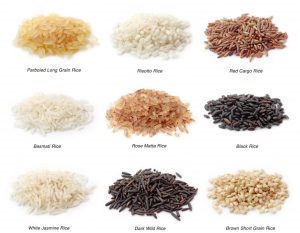
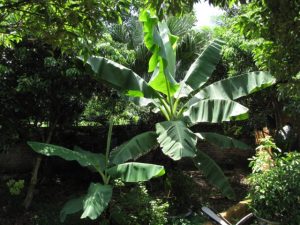
BANANA GROVE

BAMBOO IS A GRASS
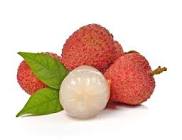
LITCHI

SOYA

LOTUS ROOT
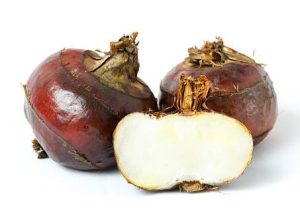
WATER CHESTNUT
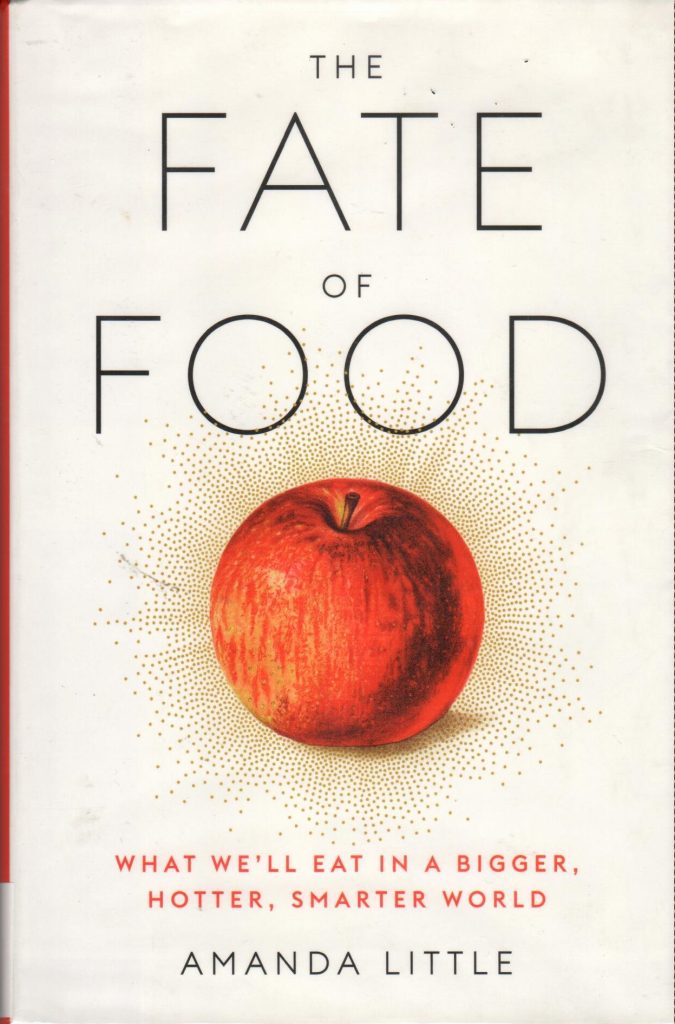
THE FATE OF FOOD
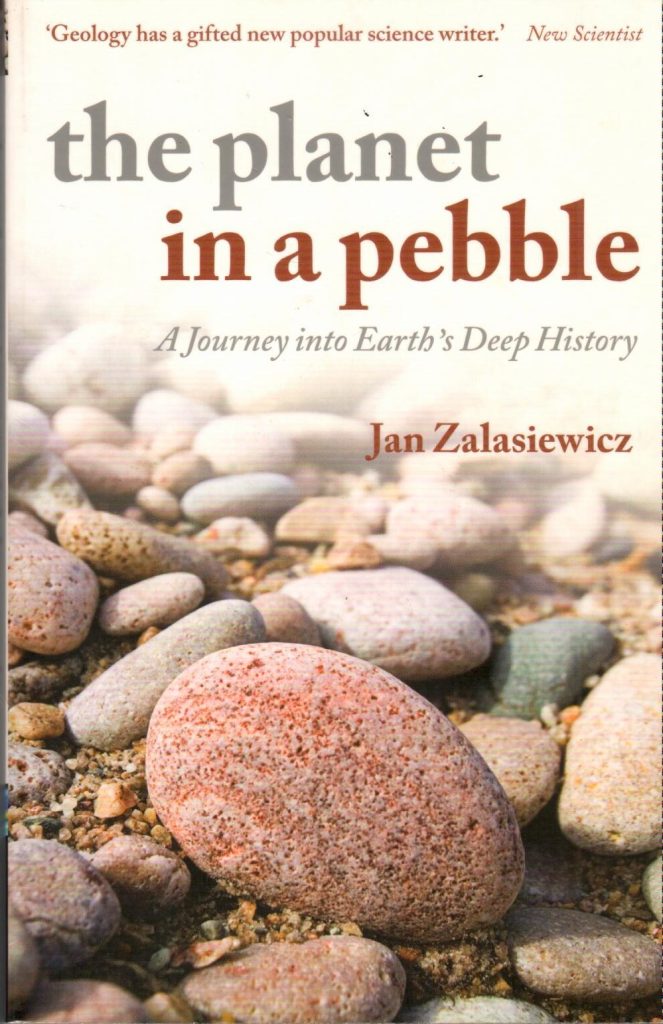
THE PLANET IN A PEBBLE
How life on Earth happened
The Waters of Creation

THE PENTAGRAM
The five-pointed STAR within a CIRCLE,
drawn in FIVE lines/strokes,
stood for the miracle/magic of LIFE:—CHNOPS.
The male (father) was the foundation of the family unit and his signature was FEET (five toes). The female (mother) was represented by HANDS (five fingers). The horizontal triangle represented the vulva (womb). The upright point represented the male organ and the bottom points were the feet: encircled they symbolized ETERNAL LIFE. The inner pentagon embodied the “terra firma” and the FIVE POINTS were for the “giver of life”.
CHNOPS
IF we are STARDUST—
We are a body/vessel of ATOMS
born from atoms and returning to atoms.
IN REALITY—nothing is born and nothing is dead
TAKE THE UNIVERSE ITSELF AS GOD
AND THERE IS NO DENYING GOD
STAY TUNED . . . !
Email your feedback about the story to the author at rosecamelia@verizon.net.
December
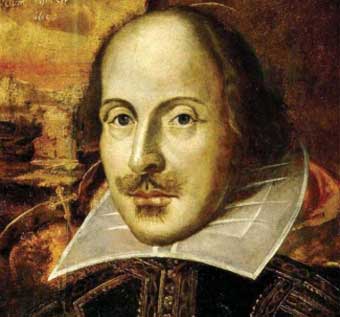
SHAKESPEARE
There is nothing either good or bad, but THINKING makes it so.
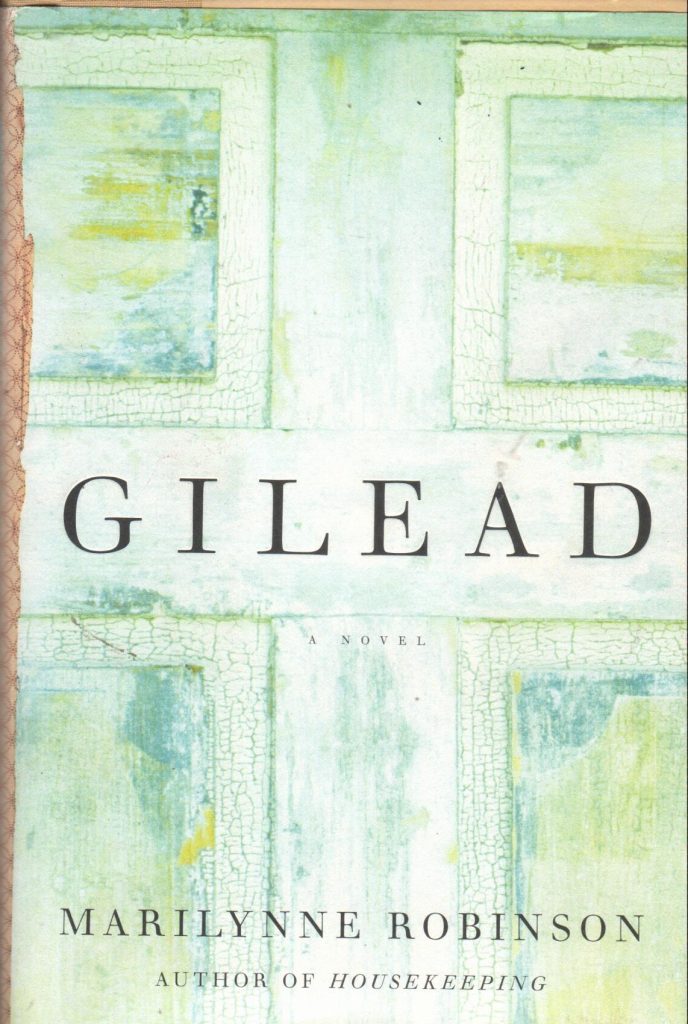
GILEAD
A 70-year-old dying pastor’s LETTER to his six-year-old son.
NEW TESTAMENT: LETTER from the apostle Paul -- 2 Timothy 2:8
“Remember Jesus Christ, raised from the dead,
descended from David. THIS IS MY GOSPEL.”
RELIGION BEGINS WHEN DEATH BECOMES THE CENTER OF THOUGHT IN ORDER TO GIVE MEANING TO MEANINGLESSNESS

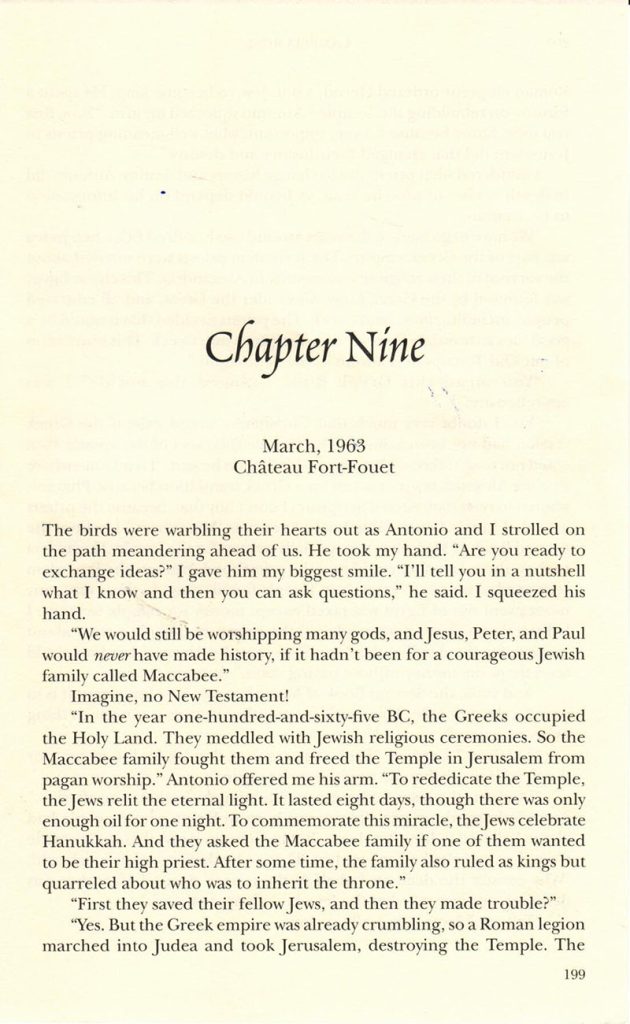
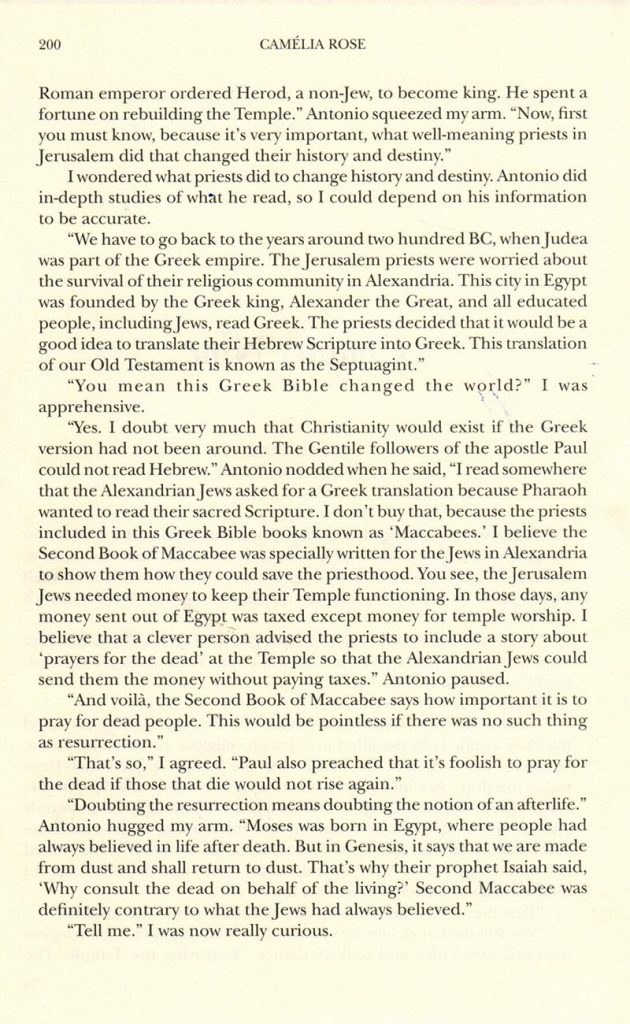
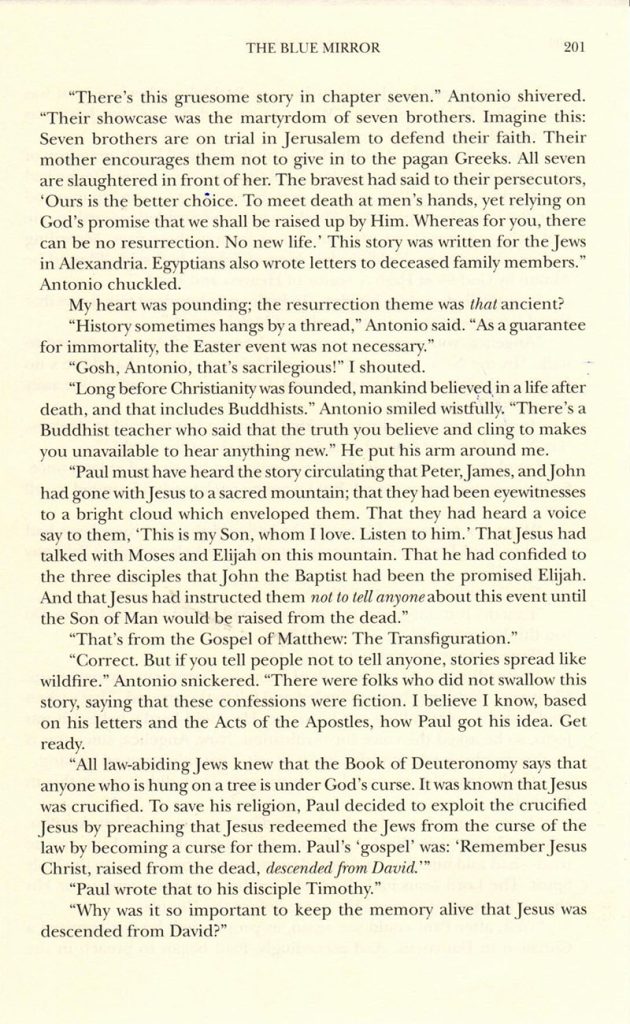
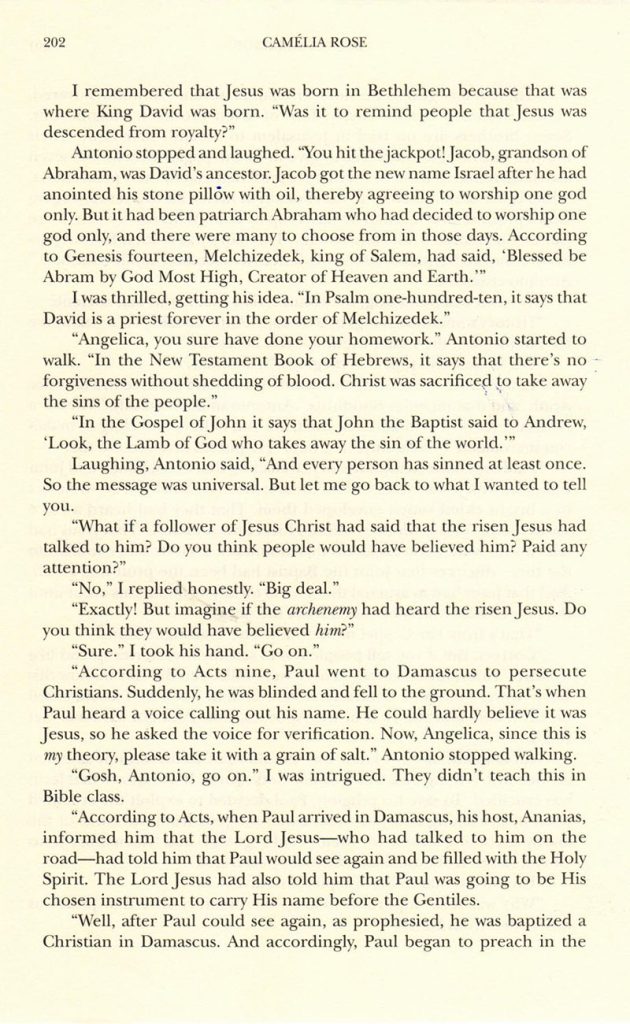
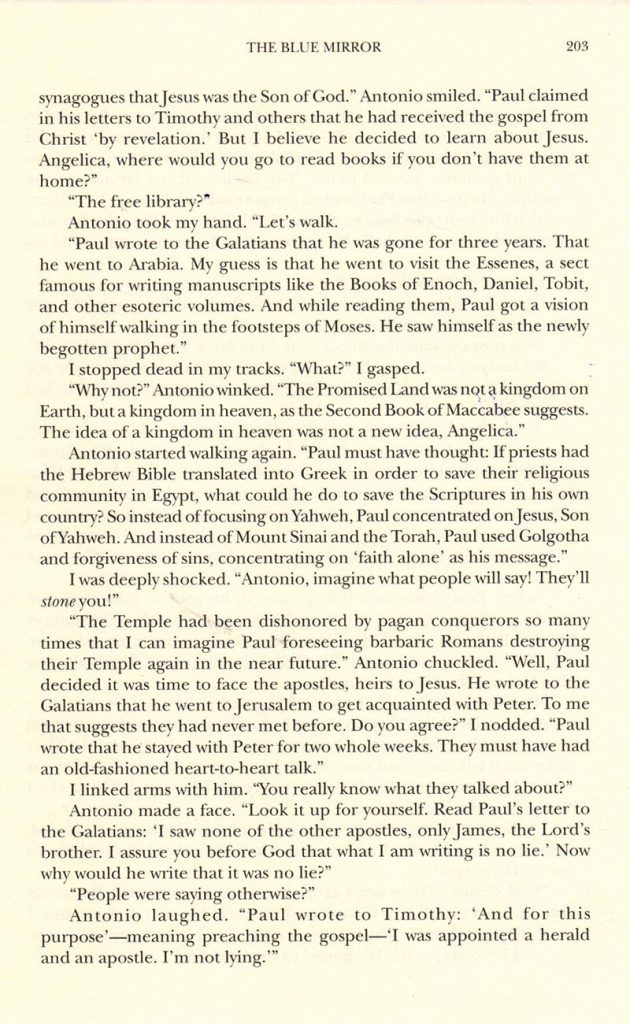
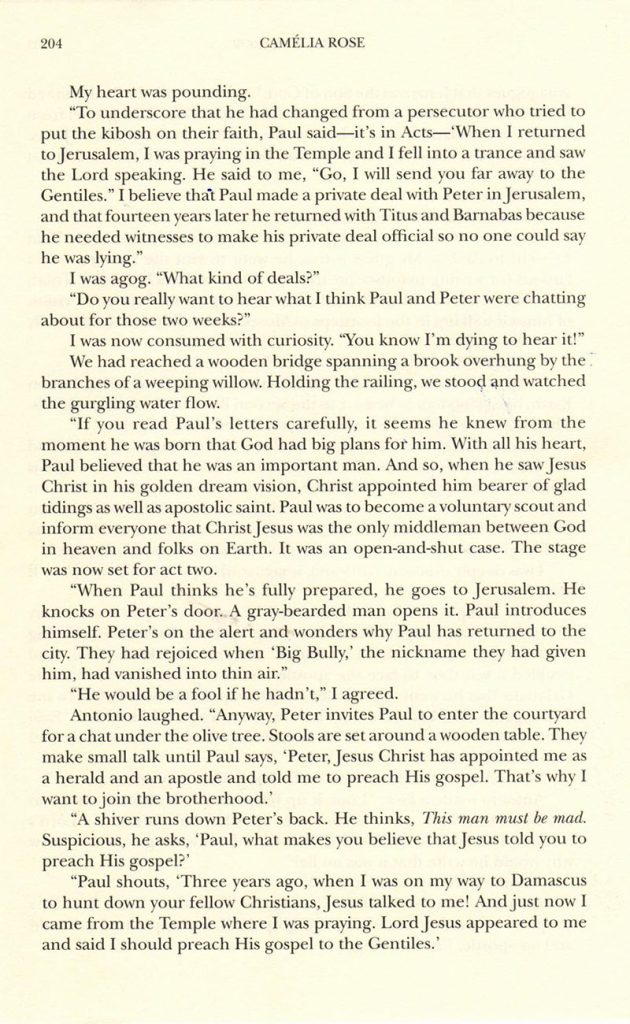
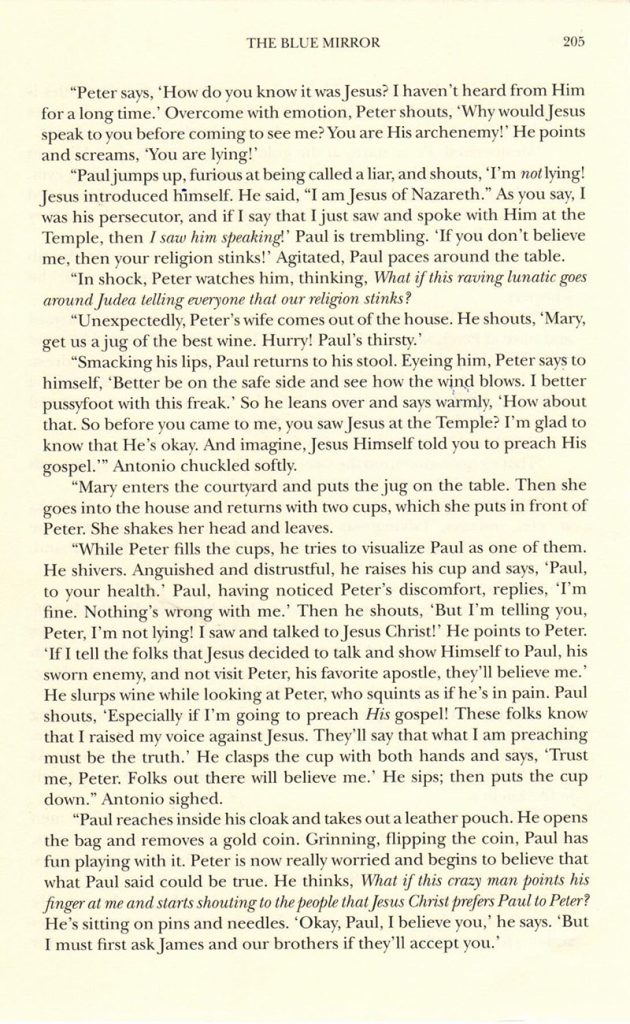
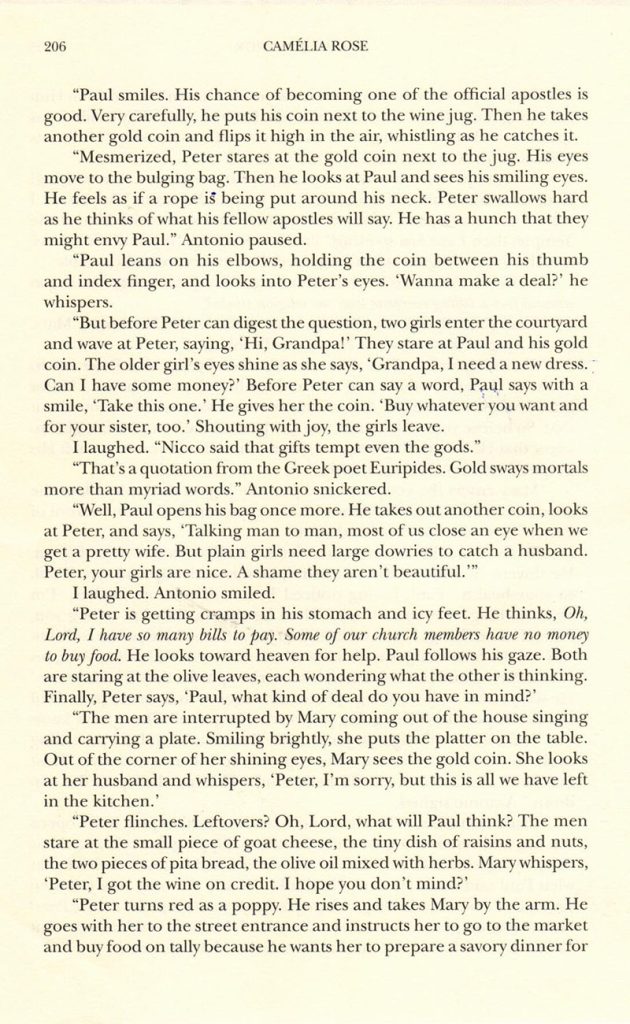
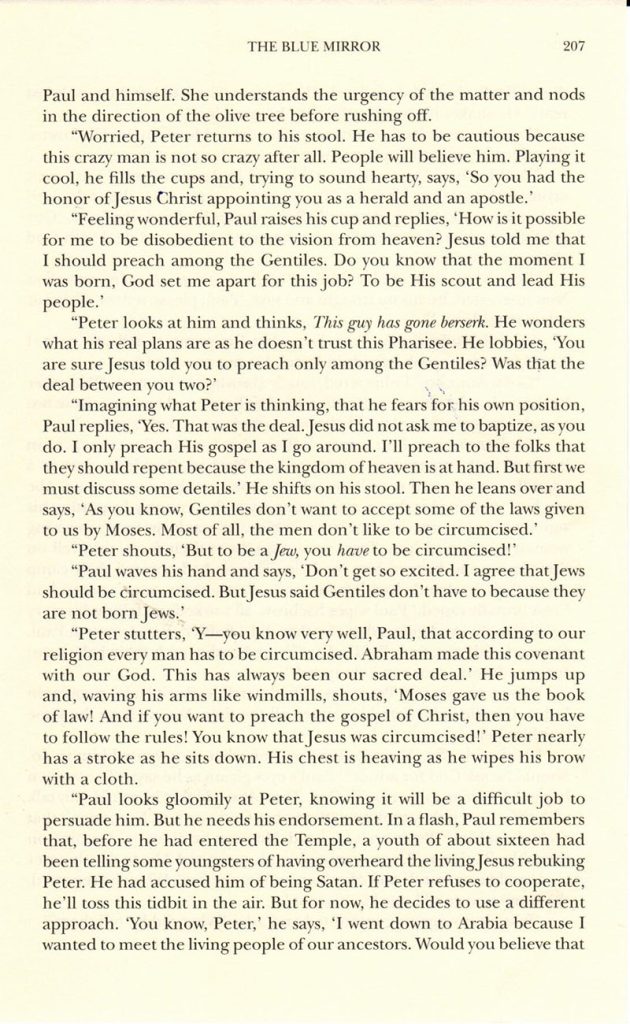
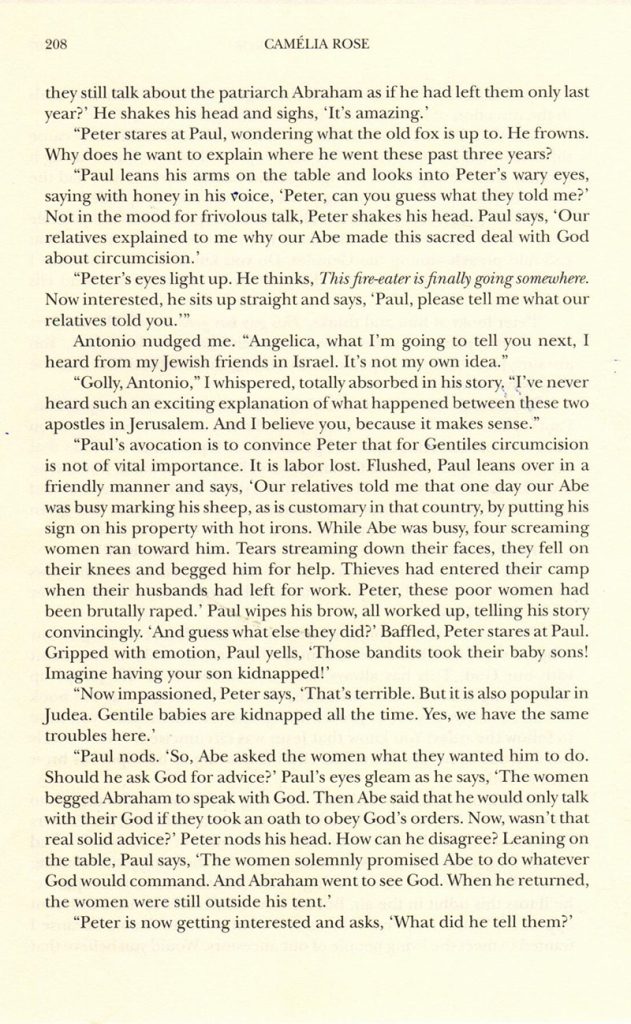
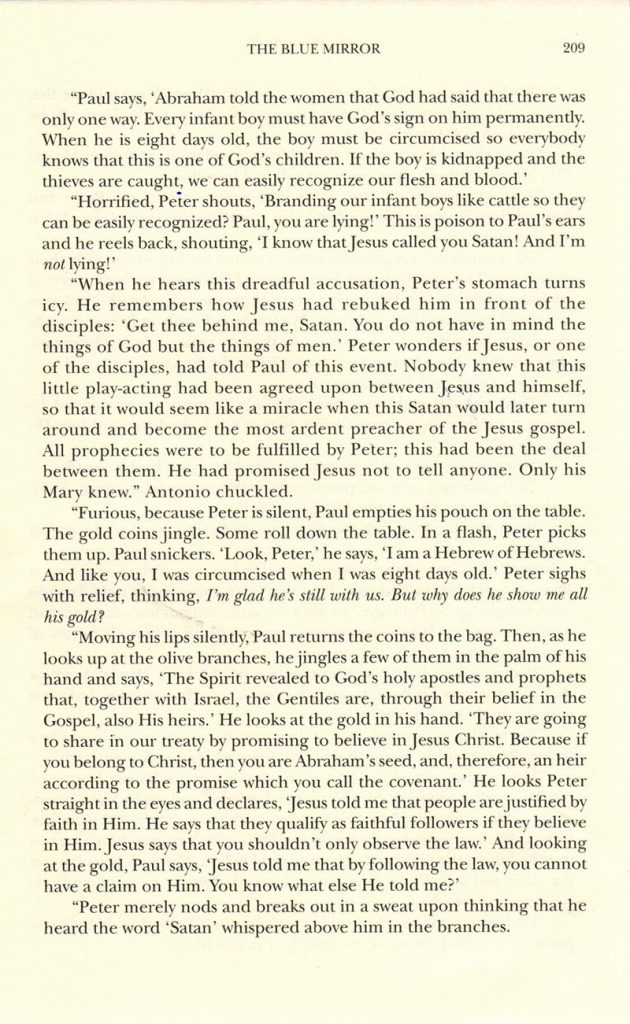
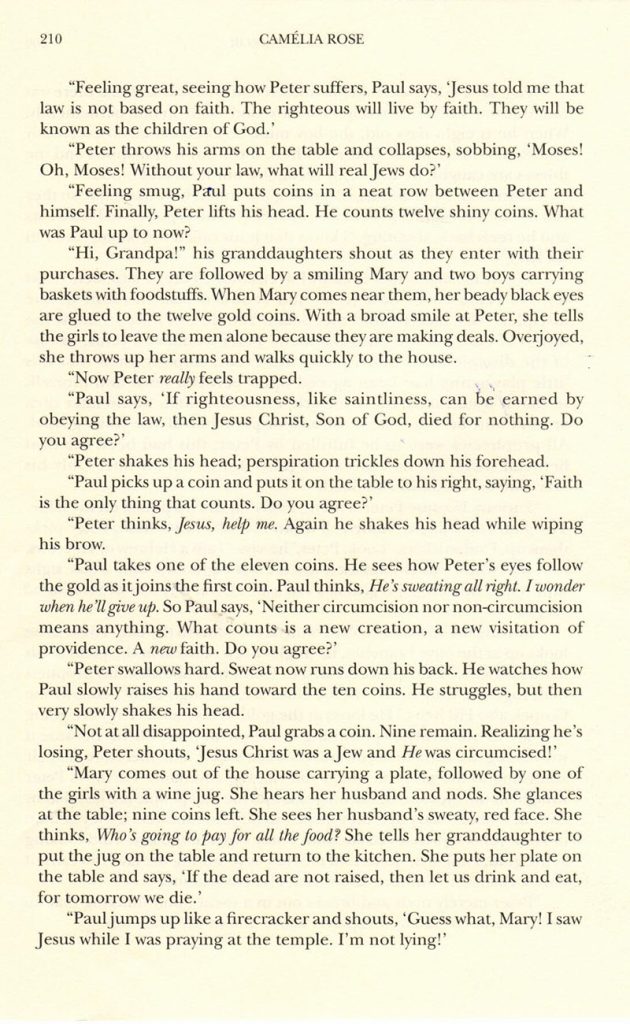
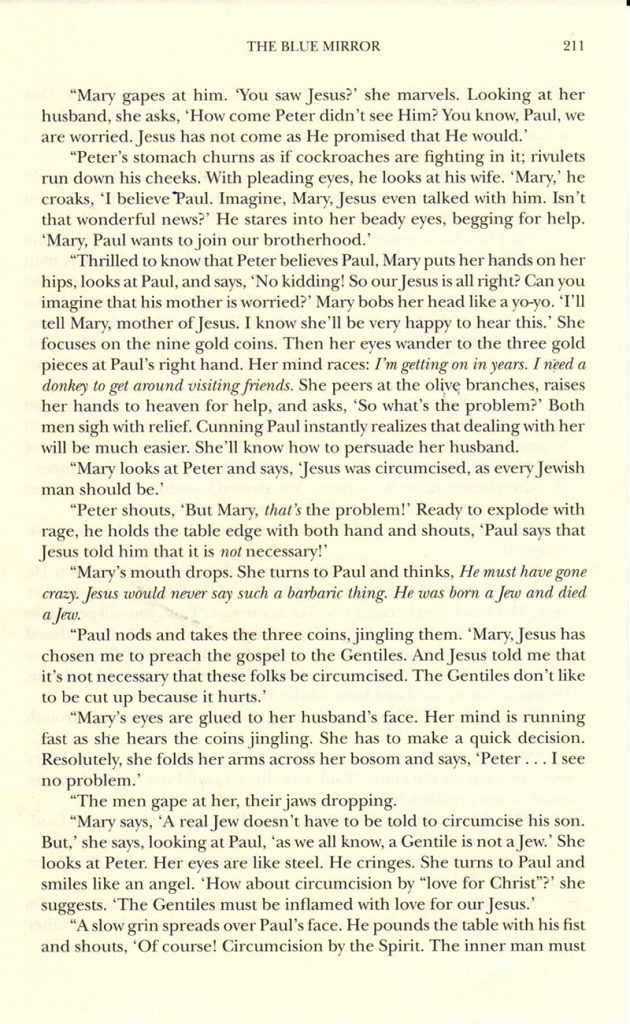
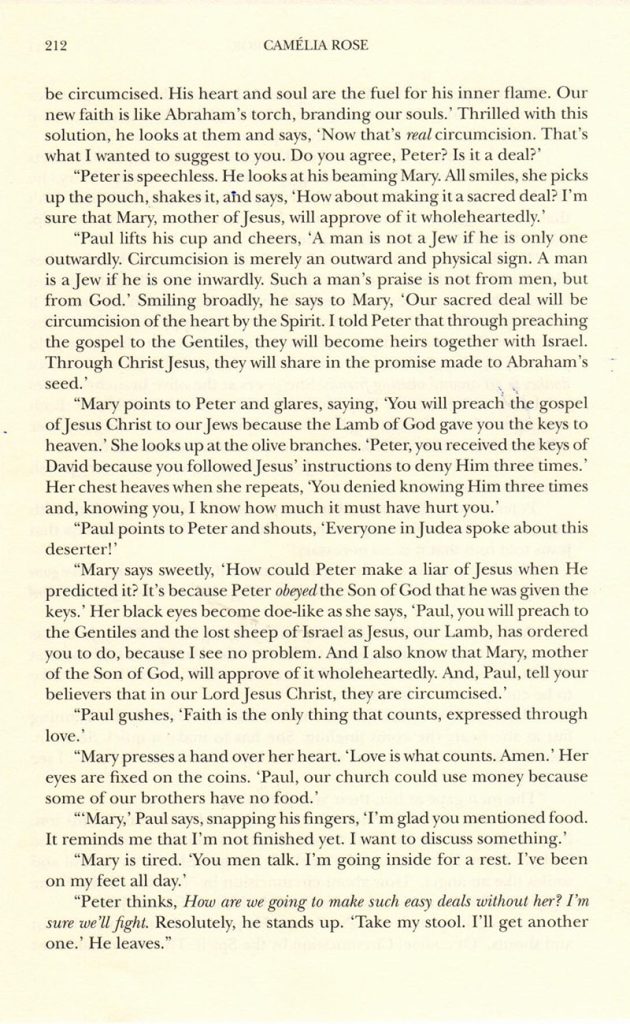
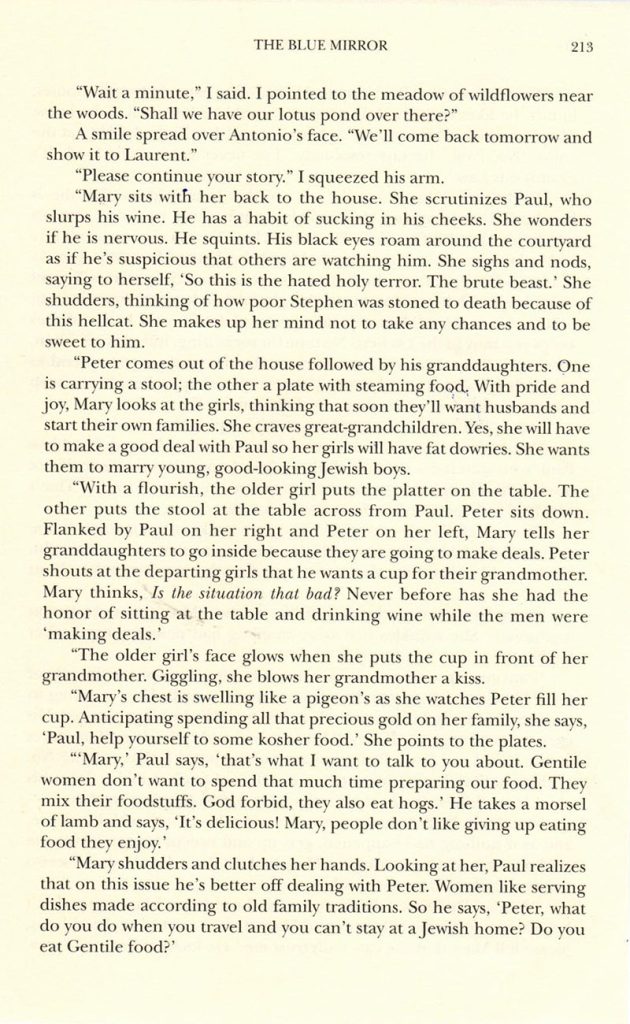
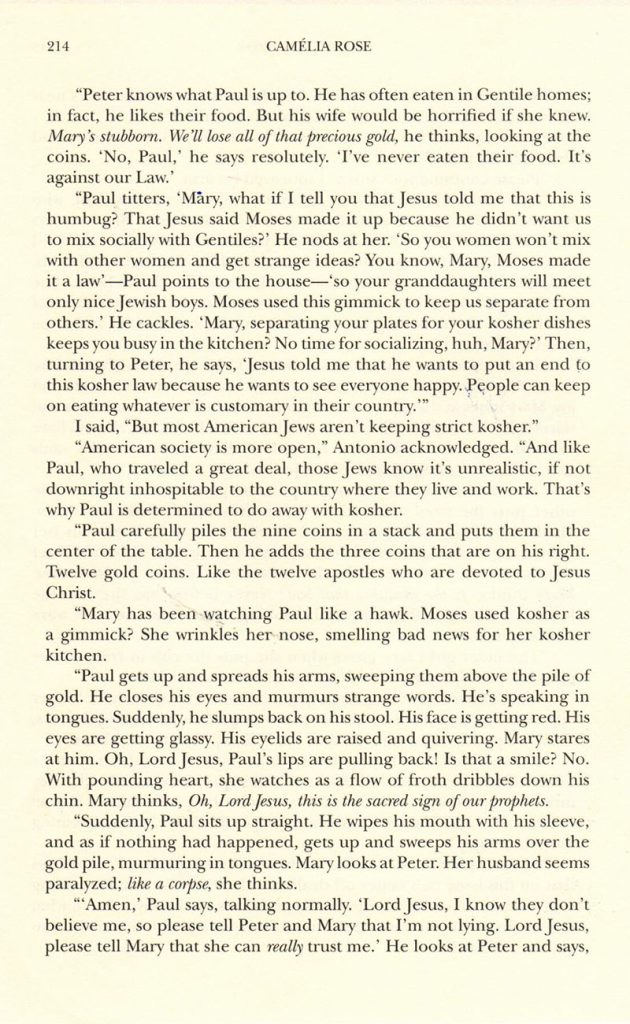
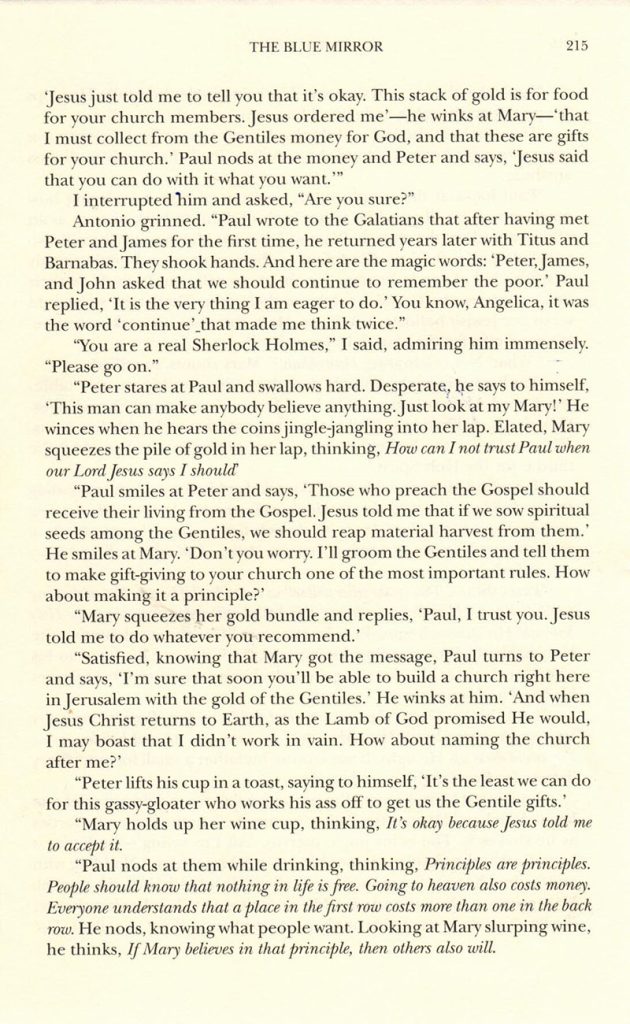
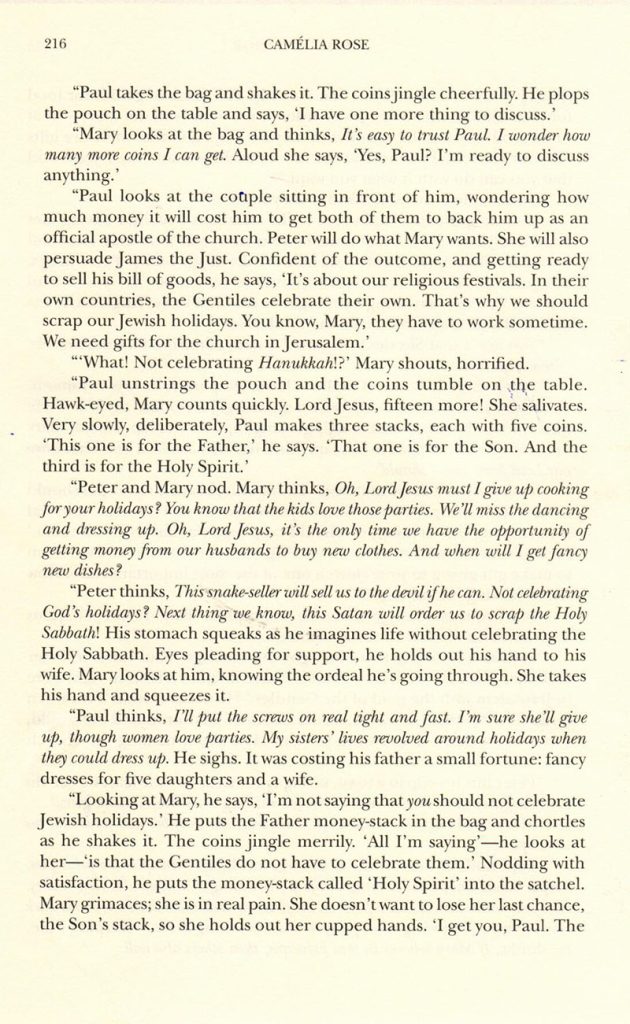
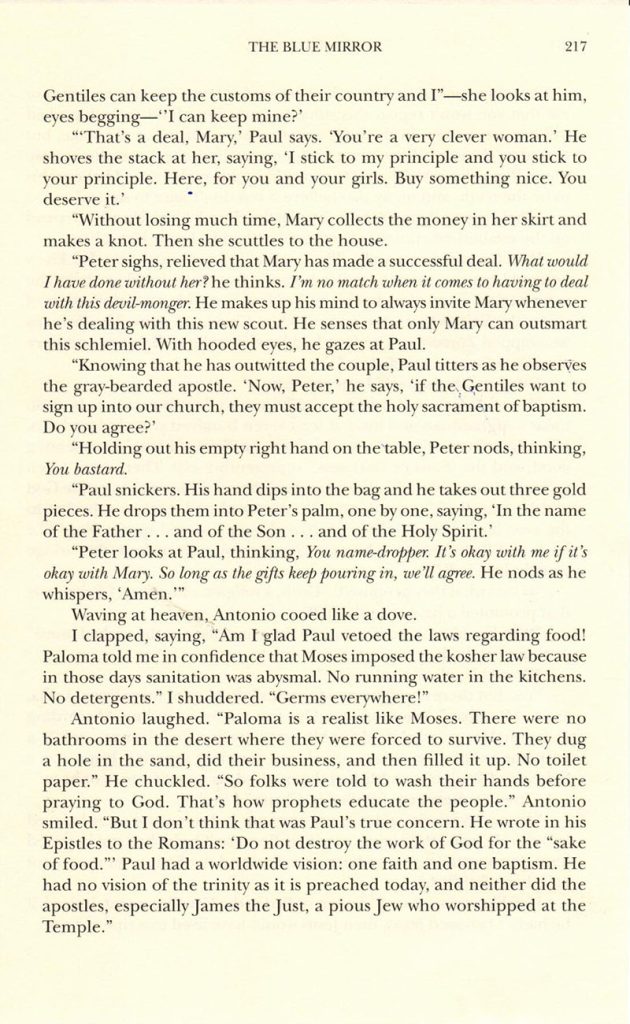
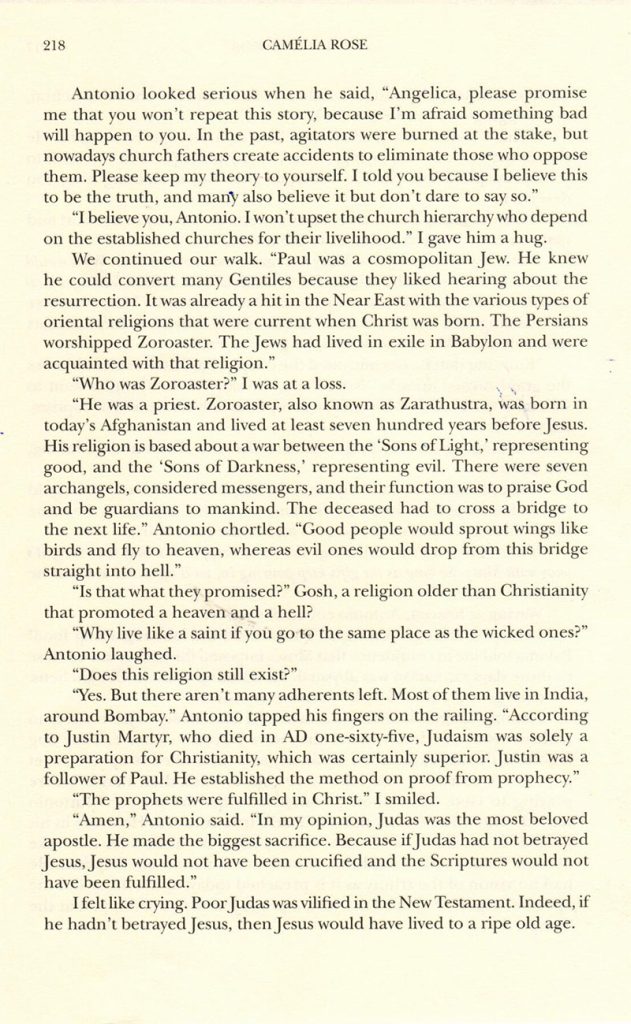
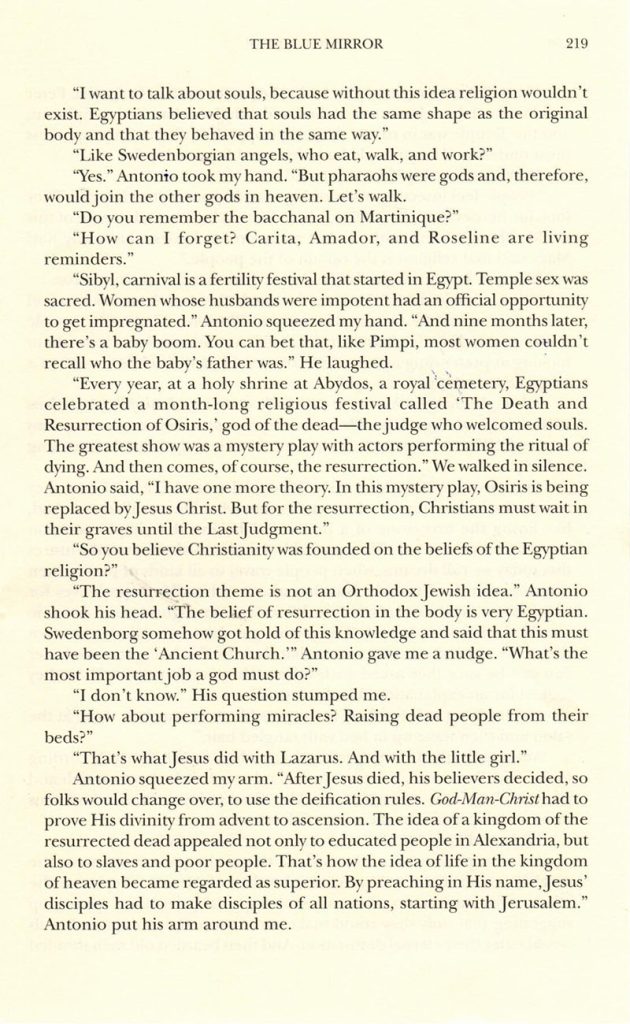
THE BLUE MIRROR
CHAPTER 9
Available as e-book
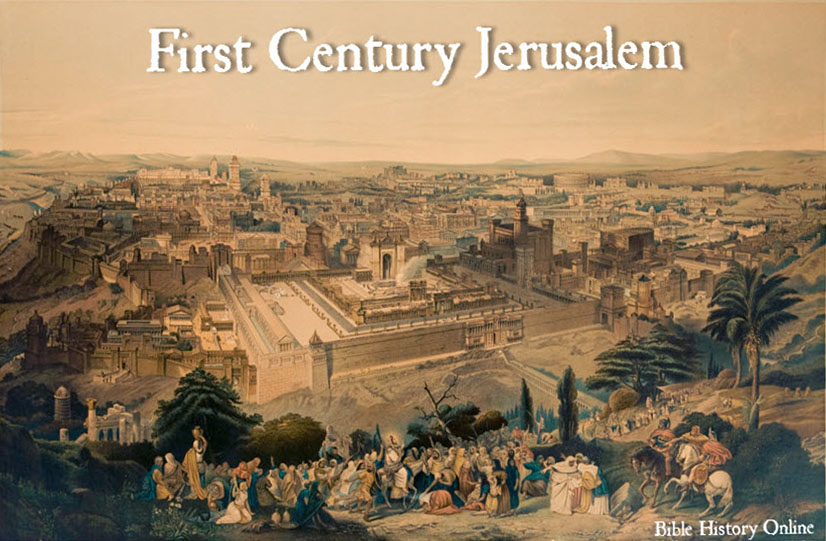
Christian New Testament
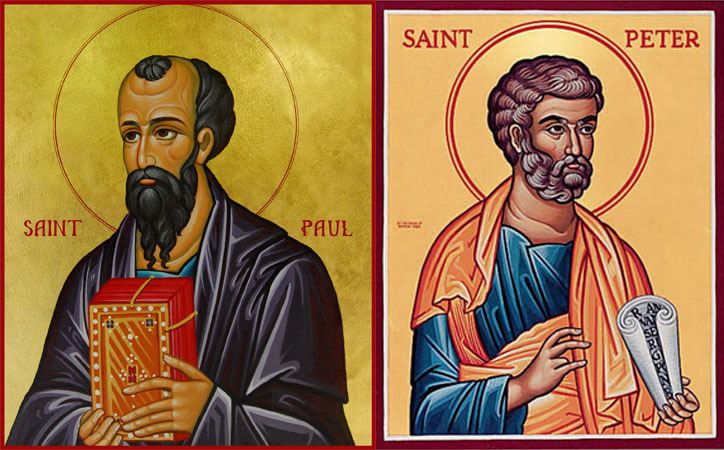
Galatians (1:18)
I went up to Jerusalem to get acquainted with Peter and stayed with him fifteen days.
GIFTS TEMPT EVEN THE GODS
[Euripides]
A fictitious story may one day become a reality when made into a PLAY/MOVIE with flesh and blood characters. [Copyright still available]
I want to thank Henry Van Dyke for his encouraging words:
USE WHAT TALENT YOU HAVE—THE WOODS WOULD BE SILENT
IF NO BIRDS SANG THERE EXCEPT FOR “THOSE THAT SANG BEST”.
EINSTEIN
IF MANKIND IS TO SURVIVE:
WE SHALL REQUIRE A SUBSTANTIALLY
NEW MANNER OF THINKING.
The Israeli-Hamas WAR reminds me of the wars between Sparta and Athens: and LYSISTRATA !
Instead of men determining the outcome, grandmothers and mothers will do the TALKING about SURVIVAL.
P.S. What are Palestinian CHILDREN doing in Israeli prisons?
I spent my childhood (1943-45) in Japanese concentration camps in Java.
My heart goes out to ALL jailed children: They are scarred forever!
VOLTAIRE: They only live who dare!
AMEN!
STAY TUNED ….. for 2024
Email your feedback about the story to the author at rosecamelia@verizon.net.